
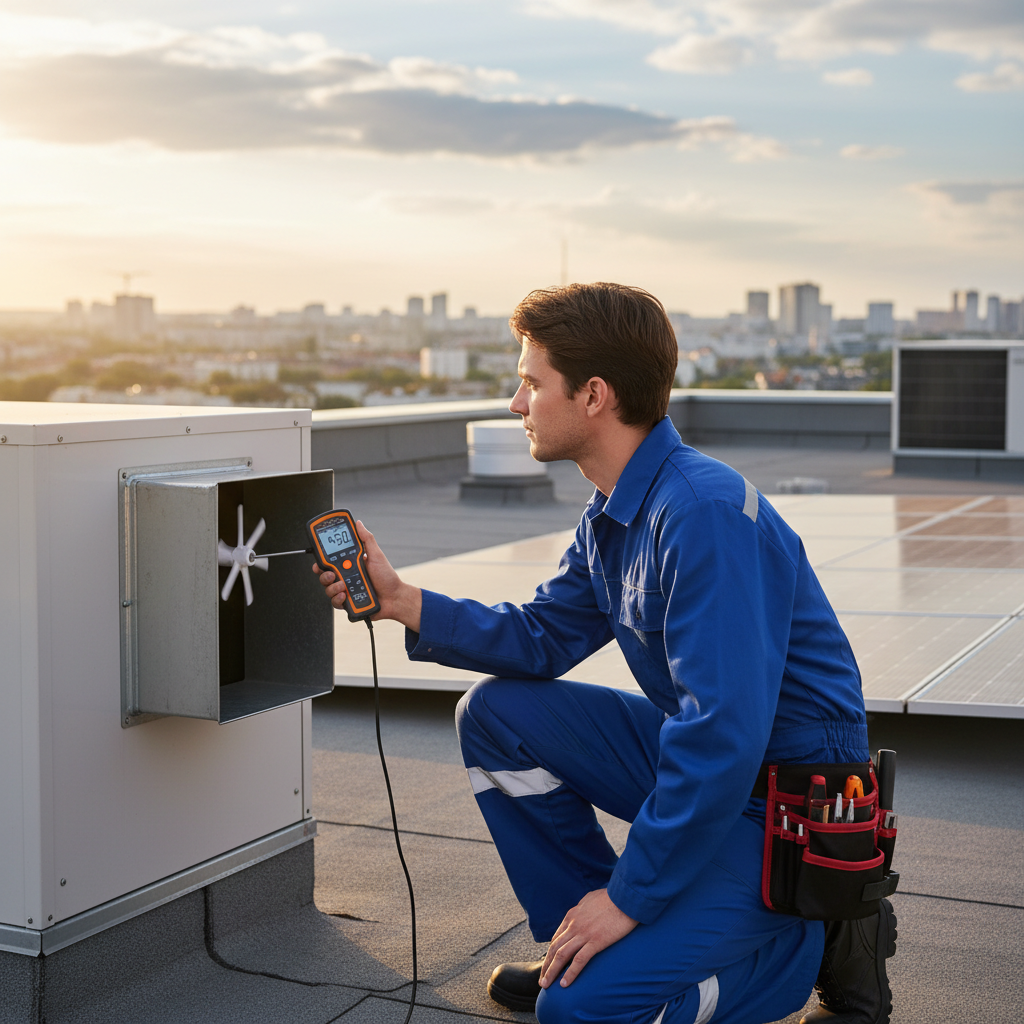
A whole house fan can reduce cooling costs by up to 90 percent compared to air conditioning by utilizing cool outdoor air during California evenings. Homeowners should schedule a whole house fan vs air conditioning California energy audit to evaluate their insulation levels and determine which system offers the highest efficiency for their specific microclimate. This professional assessment identifies whether natural ventilation or mechanical cooling provides the best long term value for the property.
California homeowners often face a frustrating trade-off between astronomical summer electricity bills and genuine indoor comfort. As temperatures climb, the choice between upgrading a central air conditioning unit or installing a whole house fan feels urgent; yet, making the wrong decision can lead to thousands in wasted utility costs. This choice is not merely about preference; it is about your home’s specific thermal envelope, attic health, and the local climate cooling window. Without a data-driven approach, you risk installing equipment that battles your insulation or draws in wildfire pollutants. In this guide, we explore how an AI powered energy audit removes the guesswork by analyzing your attic condition and airflow dynamics. You will learn the true cost differences between these systems, why insulation often dictates performance, and how to leverage professional data to ensure your home remains efficient during the peak of the California summer.
The California Cooling Dilemma: Whole House Fans or Central AC?
California summers are growing increasingly intense, and for residents in the Folsom and Sacramento areas, the resulting utility bills from providers like PG&E and SMUD are reaching record highs. When the afternoon sun beats down, the immediate instinct is to crank the central air conditioning, but the high operational costs are driving many to look for alternatives. The whole house fan is frequently positioned as the gold standard for efficiency, capable of slashing cooling energy use by 80 to 90 percent.
While the energy savings are statistically impressive, a fan is not a magic fix for every property. Its performance depends entirely on your home’s unique building envelope, attic ventilation capacity, and current insulation levels. Installing a high-volume fan in a house that is not structurally prepared for it can lead to wasted money and poor indoor air quality. This uncertainty is why the discussion of a whole house fan vs air conditioning California energy audit is so vital. By performing a Folsom home energy audit or Sacramento energy audit first, you gain an objective, data-driven perspective on whether your home will actually benefit from a fan or if other improvements should take priority. Relying on a sample energy audit report can show you exactly how these variables interact before you sign a contract with an installer.
Understanding the Cooling Window: How Whole House Fans Differ from Air Conditioning
To understand why a whole house fan vs air conditioning California energy audit is necessary, one must first grasp how these technologies fundamentally differ. Central air conditioning is a closed-loop system. It recirculates indoor air, passes it over a refrigerated evaporator coil to remove heat and humidity, and then pushes it back through your ducts. This process works regardless of the weather outside, but it requires massive amounts of electricity to run the compressor.
In contrast, a whole house fan is an open-loop ventilation system. When the outdoor temperature drops, you open a few windows and turn the fan on. It pulls the dense, cool evening air into your living spaces while simultaneously flushing the stagnant, hot air out through your attic vents. This is particularly effective in the Folsom and Sacramento region. Unlike Southern California or the high desert, our local climate benefits from the Delta Breeze, which provides reliably cool nights even after a 100-degree day.
The efficiency gap is staggering. A typical whole house fan draws between 200 and 700 watts, costing roughly $0.09 per hour to operate. A central AC unit can easily pull 3,500 to 5,000 watts, resulting in utility bills that are magnitudes higher. However, the fan is limited by the cooling window, the specific timeframe when outdoor temperatures are lower than the air inside your home. If you turn the fan on before this window opens, you are simply pulling more heat into your house. An objective Folsom home energy audit helps identify exactly when your home reaches this equilibrium and how well your structure can retain that cool air once the sun rises. Understanding these mechanics is the first step in deciding if the investment is truly suited for your property.
Is a Whole House Fan Cheaper Than AC? Breaking Down the Numbers
The financial case for a whole house fan begins with a dramatic reduction in operational overhead. While a central AC unit is a heavy lifter that draws thousands of watts to compress refrigerant, a whole house fan functions more like a high efficiency ventilation engine. The initial investment is also significantly lower, typically ranging from $1,500 to $3,500 depending on the unit size and installation complexity.
Metric | Whole House Fan | Central Air Conditioning |
|---|---|---|
Installation Cost | $1,500 - $3,500 | $8,000 - $16,000+ |
Operational Cost | ~$0.09 / Hour | ~$0.75 - $2.00+ / Hour |
Monthly Estimate | ~$17 / Month | $150 - $400+ / Month |
Operating a fan costs roughly $17 per month under typical use, which is a fraction of the hundreds spent on AC during a Sacramento summer. However, determining if a whole house fan is worth it requires looking beyond the utility bill. True value is measured by how long your home retains that cool air. If your attic lacks sufficient R-value or your building envelope is porous, the fan is simply treating the symptoms of a deeper efficiency problem.
A whole house fan vs air conditioning California energy audit quantifies these variables. By analyzing the thermal performance of your structure, a Folsom home energy audit or Sacramento energy audit determines if your money is better spent on a fan or on sealing the leaks that allow your expensive cool air to escape. Without this data, you risk installing a fan that fights a losing battle against a poorly sealed attic.
The Dangerous Gap: Why Your Attic Condition Dictates Fan Performance
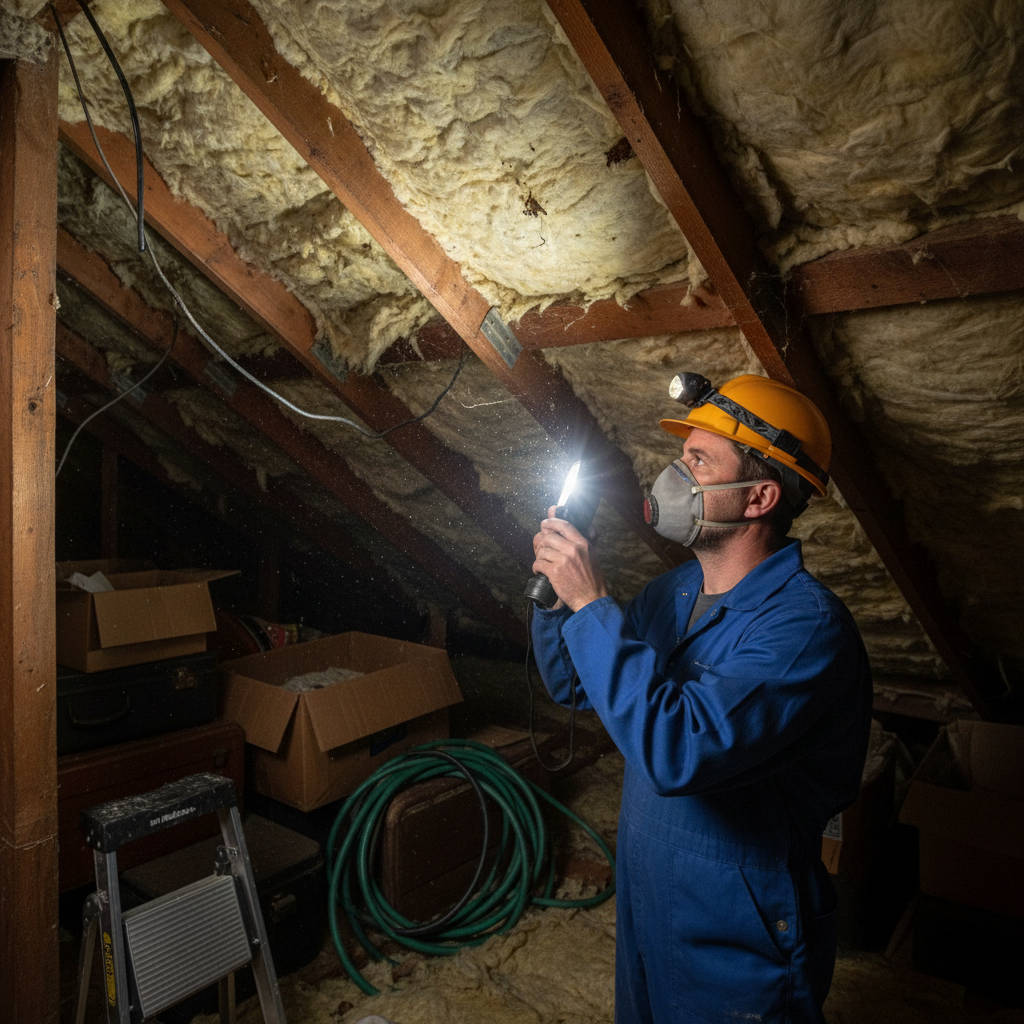
The efficiency of a whole house fan is not just determined by the motor's power, but by the attic's ability to breathe. A fan functions as a high volume air pump. If it pulls 4,000 cubic feet of air per minute into your home, that same volume must escape through your attic vents. This requirement is known as net free venting area (NFVA). A common mistake in the Folsom and Sacramento region is installing a powerful fan in a home with restricted attic ventilation.
When the NFVA is insufficient, the fan creates backpressure. This resistance forces the motor to work harder, negating the energy savings you expected. More concerning, if the air cannot escape through the roof vents, it will look for other paths. In many cases, this pressure causes air to blow back into the living space through gaps in recessed lighting, electrical outlets, or attic hatches. This can pull fiberglass insulation particles and fine attic dust directly into your indoor environment, compromising air quality.
A typical salesperson might focus on selling you the largest unit their catalog offers, regardless of your home's exit capacity. In contrast, a whole house fan vs air conditioning California energy audit uses precise measurements to calculate your existing venting area. By performing a Folsom home energy audit or a Sacramento energy audit, an inspector can determine if you need to add soffit vents or O'Hagin vents before the fan is installed. Reviewing a sample energy audit report shows how these measurements are documented. This objective data ensures the system operates safely and provides the cooling relief promised without turning your attic into a pressurized dust trap.
Whole House Fan vs Insulation: Which Should You Fix First?
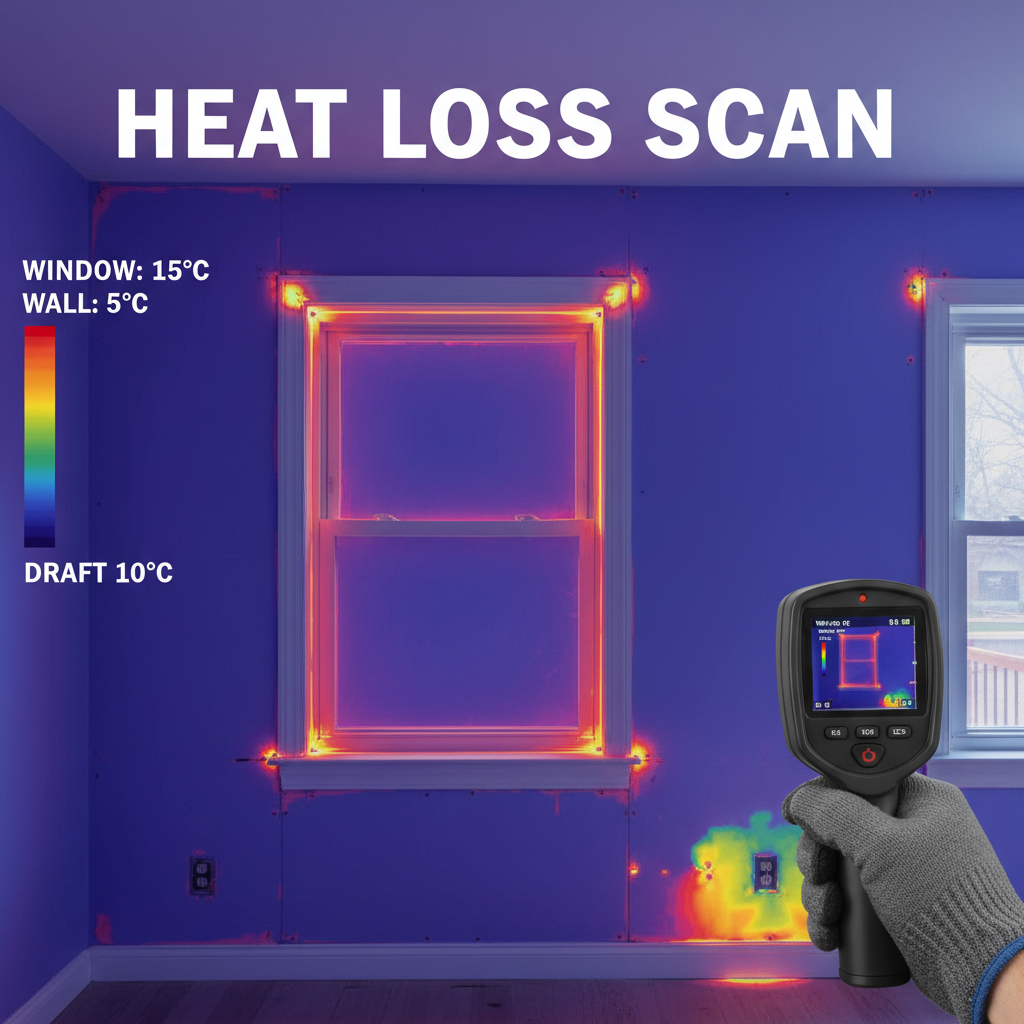
Homeowners in Folsom often scour forums and Reddit threads trying to decide if they should invest in better insulation or a whole house fan first. This debate misses a critical point; a whole house fan installed in a poorly insulated home is like putting a high performance engine in a car with four flat tires. You might increase the power, but the vehicle is still going to struggle to move efficiently. If your attic is under insulated, it acts as a massive radiator, beaming heat directly through your ceiling and into your living space throughout the afternoon and early evening.
A whole house fan vs air conditioning California energy audit solves this debate by providing visual evidence rather than guesswork. During a Folsom home energy audit or a Sacramento energy audit, we use thermal imaging cameras to see exactly how heat is transferring into your home. If the camera shows your ceiling glowing at 95 degrees while your thermostat is set to 75, your insulation is the primary failure point.
Feature | Insulation Upgrade | Whole House Fan |
|---|---|---|
Primary Function | Blocks heat entry (Passive) | Flushes hot air (Active) |
Best For | Retaining cool air all day | Rapid evening cooling |
Prerequisite | None | Proper insulation and venting |
If the insulation is the culprit, adding a fan first forces that unit to work twice as hard to overcome the constant heat gain from the attic. By reviewing a sample energy audit report, you can see how we prioritize these upgrades based on the highest return on investment. Fixing the flat tires of poor insulation ensures that when you do add a fan, the home can actually hold the cool temperatures you have worked to achieve.
How an AI Powered Energy Audit Removes the Sales Pressure
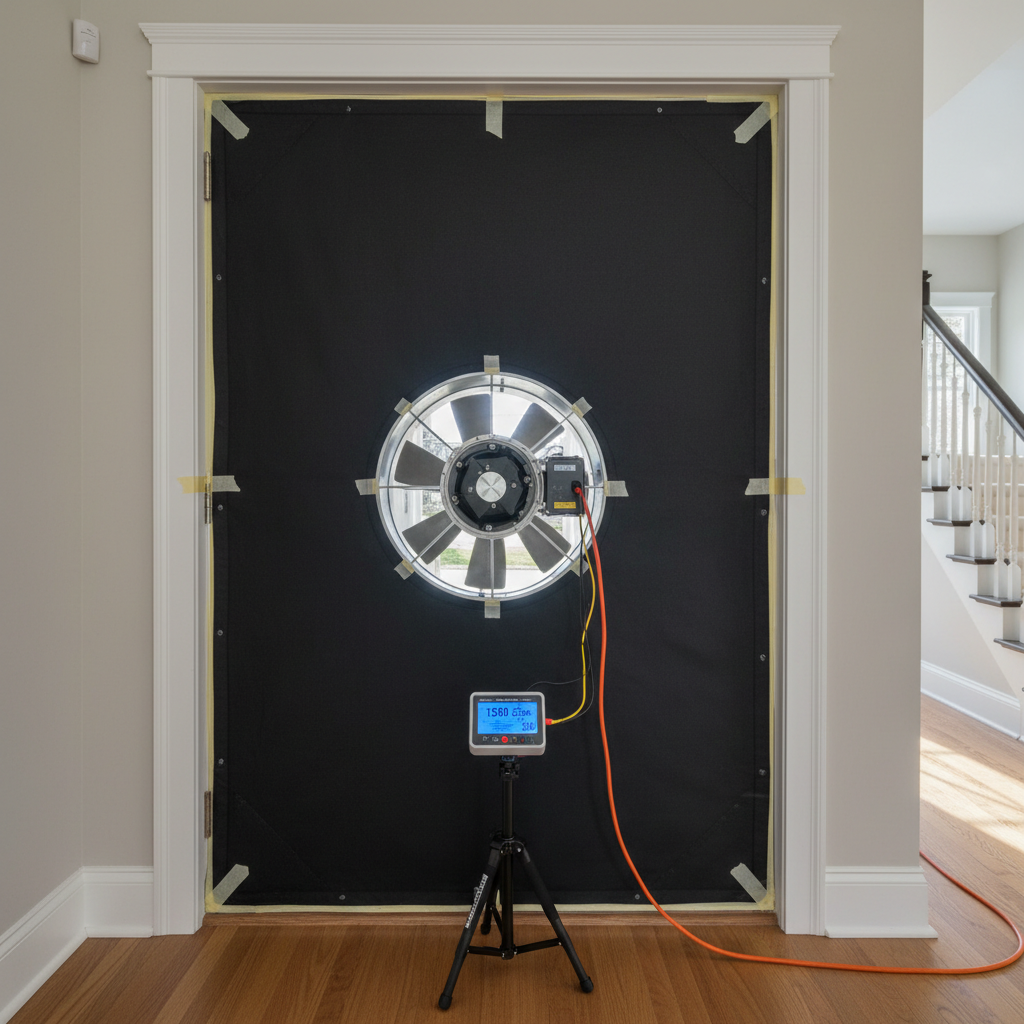
The decision to invest in home cooling upgrades often feels like a gamble when the advice comes from a contractor with a sales quota. Many HVAC companies offer free inspections as a foot in the door to sell specific equipment. In contrast, California Home Energy Wise operates as an objective third party. Our goal is to provide a Folsom home energy audit or a Sacramento energy audit that relies on physics, not commissions.
We utilize advanced diagnostic tools like blower door tests to measure your home's airtightness and AI-powered modeling to predict the impact of various upgrades. This data-driven roadmap eliminates the guesswork. A whole house fan vs air conditioning California energy audit may even result in a recommendation not to purchase a fan. If our testing reveals excessive air leakage or compromised ductwork, the fan would be inefficient or could even worsen indoor air quality.
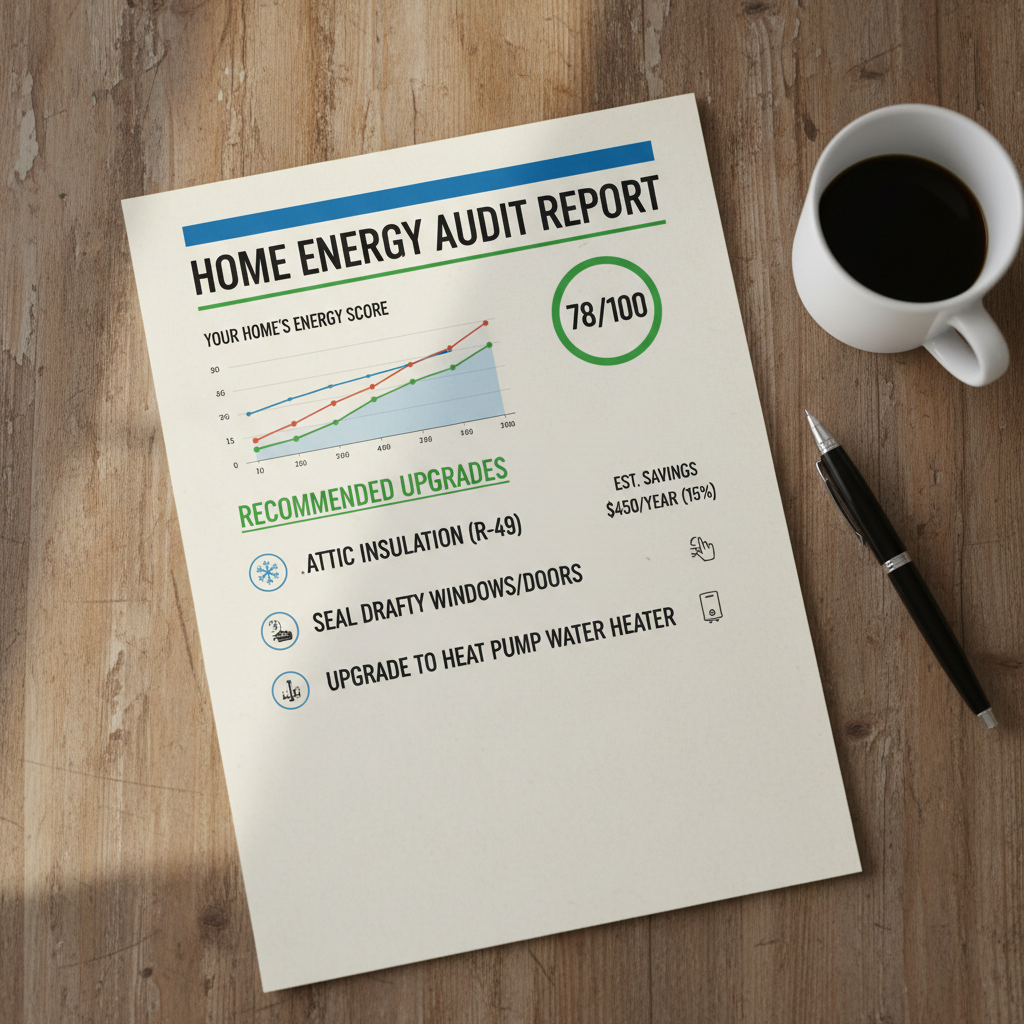
Reviewing a sample energy audit report shows how these technical findings are presented clearly. This transparency allows you to bypass high-pressure sales pitches and focus on the improvements that offer the best return on investment for your specific property. By removing the incentive to sell hardware, we ensure the data remains the only factor in your home improvement strategy.
Indoor Air Quality and Wildfire Smoke: A California Reality Check
Homeowners in the Folsom area must consider a reality that HVAC sales brochures often omit: wildfire season. Because a whole house fan operates by pulling vast quantities of outside air through open windows, it becomes unusable when the Air Quality Index (AQI) reaches hazardous levels. During a smoke event, activating the fan would immediately flood your living space with fine particulate matter, negating the health benefits of staying indoors.
This is where a central AC system offers a distinct advantage. As a closed-loop system, it allows you to seal the home and recirculate indoor air through high-efficiency MERV 13 filters. An objective whole house fan vs air conditioning California energy audit looks at your home through the lens of home health. We measure building tightness to see how well your envelope resists smoke infiltration and evaluate if your ductwork can handle the filtration needed to keep your family safe.
By reviewing a sample energy audit report, you can see how we prioritize air sealing and filtration alongside energy efficiency. A Folsom home energy audit ensures that your cooling strategy does not just save money, but also protects your indoor environment when the California sky turns orange. This data allows you to build a resilient home that remains comfortable regardless of outdoor air quality.
The Verdict: Using Data to Choose Between a Fan and a New AC
Determining the right cooling path is less about choosing a winner and more about understanding your home's specific physics. While a whole house fan offers incredible efficiency in our region, it is only as effective as the attic ventilation and insulation supporting it. Rushing into an installation without verifying these factors often leads to disappointing results or compromised air quality.
We recommend a Folsom home energy audit or Sacramento energy audit as the essential Step Zero before you commit to any major HVAC project. This process provides an objective, prioritized list of improvements based on your building's unique envelope. You might find that air sealing or attic insulation offers a higher return on investment than a new fan or AC unit. By reviewing a sample energy audit report, you can see how data clarifies the whole house fan vs air conditioning California energy audit debate for your specific property. This approach ensures your budget goes toward the upgrades that actually lower your utility bills and improve your year-round comfort.
Choosing between a whole house fan and air conditioning comes down to your home’s unique structure and local climate. By starting with a professional energy audit, you ensure that your investment results in lower utility bills and improved comfort. If you want expert help identifying the most efficient path forward, you can learn more about our approach to home performance. We are here to help you make the smartest choice for your comfort and budget.