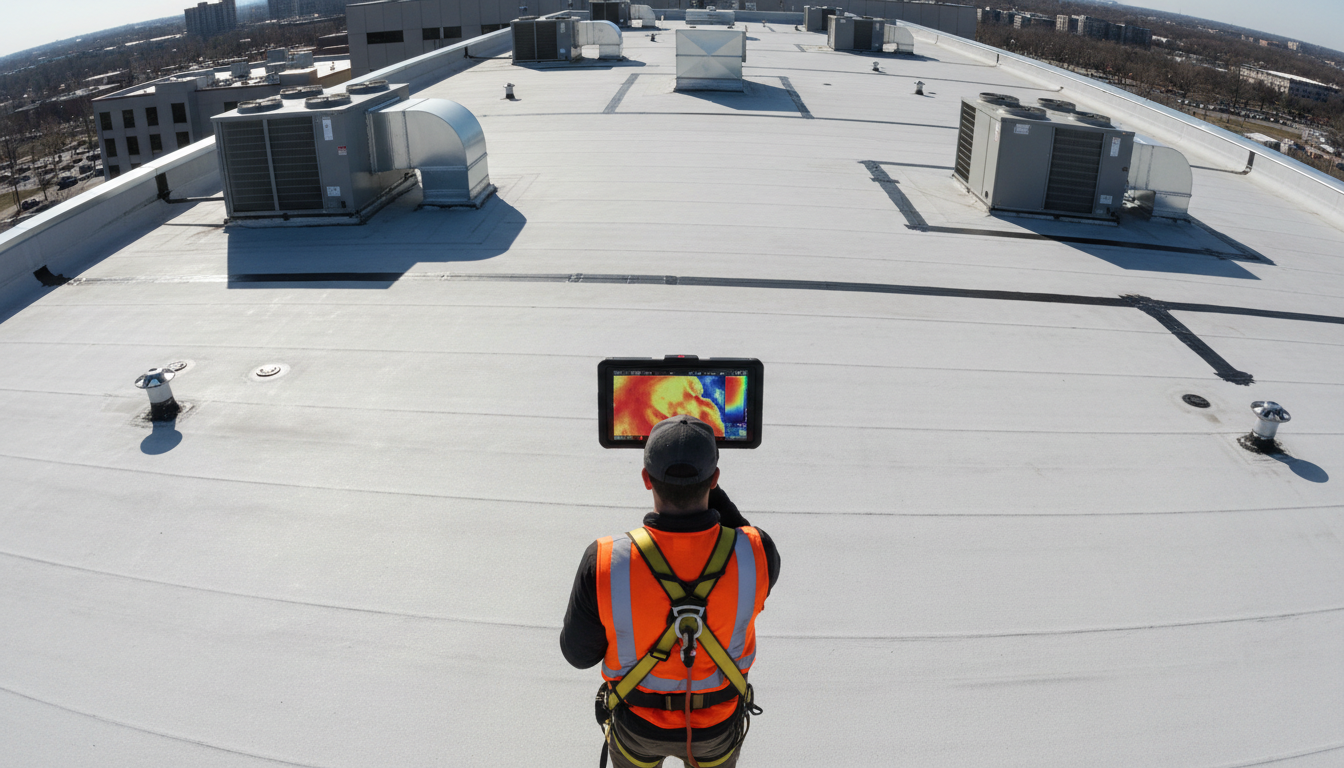
A professional radiant barrier attic California energy audit confirms that installing reflective foil is worth the cost because it can lower attic temperatures by 20 to 30 degrees. This upgrade significantly reduces cooling expenses in hot climates by reflecting solar heat away from the home; it provides the best results when combined with existing floor insulation.
California homeowners understand the frustration of a cooling system that runs constantly while the upstairs remains uncomfortably warm. During a Golden State summer, your attic can reach temperatures exceeding 150 degrees; this creates a heat reservoir that forces your HVAC to work overtime. While standard fiberglass batts handle conductive heat, they often struggle against the intense radiant energy pounding on your roof. This article explores whether a radiant barrier is the missing link in your home efficiency strategy. We will examine the mechanics of reflective foil, compare it to spray foam, and identify specific scenarios where the investment fails to deliver. Most importantly, you will discover why a data-driven energy audit is the only way to calculate your actual return on investment before committing to a costly installation.
The California Heat Problem: How Radiant Barriers Work in Your Attic
During Folsom and Sacramento summers, triple-digit temperatures are a standard occurrence. When the sun beats down on a roof, it creates a massive thermal load that conventional insulation often struggles to manage. To understand how to mitigate this, one must distinguish between conductive heat and radiant heat. Traditional attic insulation, like fiberglass or cellulose, is designed to slow conductive heat transfer. This is the heat that moves through materials, such as from a warm ceiling into a cooler room.
Radiant heat, however, is infrared energy that travels through space. In a typical California attic, the roof shingles and plywood deck absorb the sun's rays and radiate that heat downward. On a 100 degree day, attic temperatures frequently soar to 150 degrees. At this intensity, the attic becomes a pressurized oven, pushing heat into your ductwork and through your ceiling regardless of how much pink fiberglass you have on the floor.
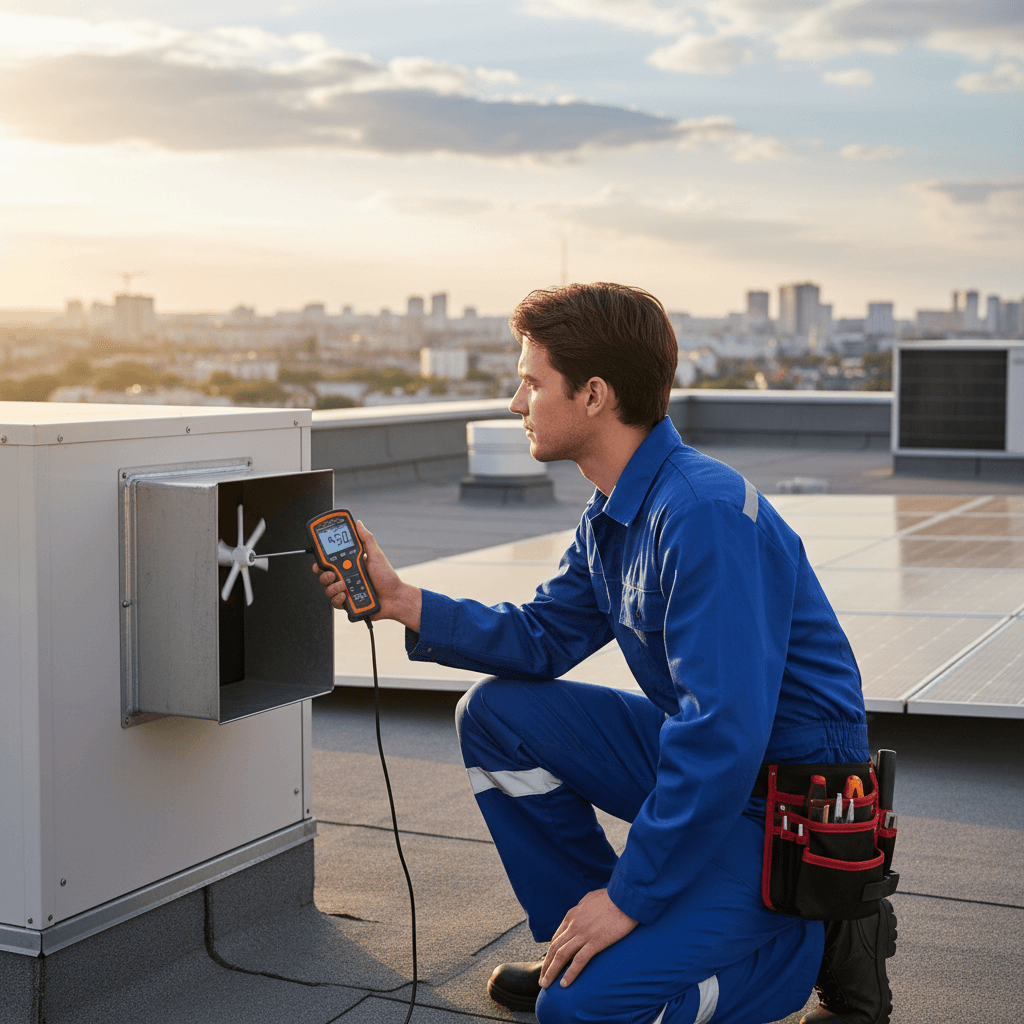
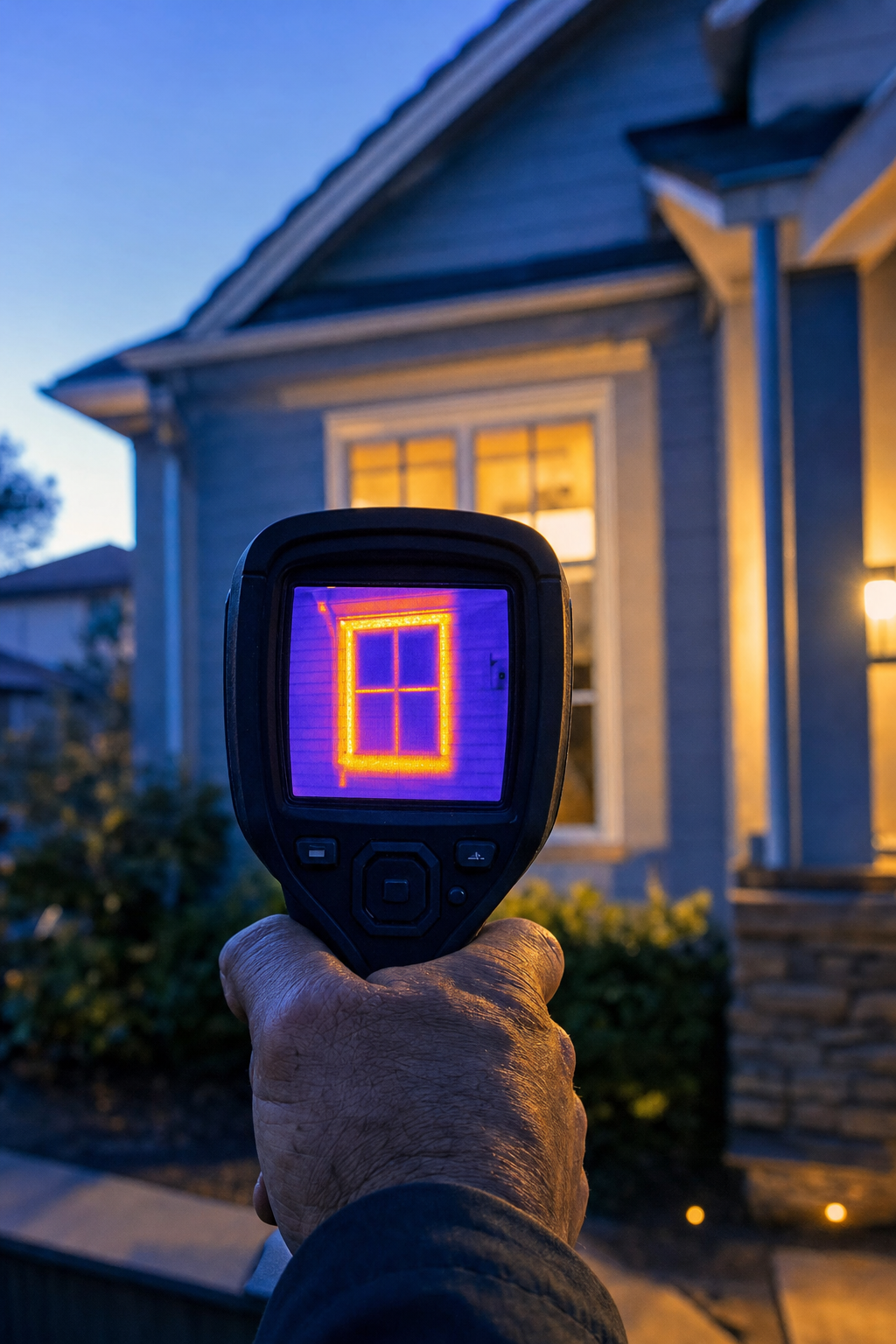
A radiant barrier is a specialized, foil-faced material installed on the underside of the roof rafters. Unlike traditional insulation that absorbs and holds heat, this material reflects the majority of infrared radiation back toward the roof. By reflecting heat before it enters the attic space, you reduce the temperature of the air surrounding your HVAC equipment and ductwork. Determining if your home is a candidate for this technology is a core component of a Sacramento energy audit. By performing a radiant barrier attic California energy audit, we can use thermal imaging to see exactly how heat enters the structure. This objective data helps homeowners decide if a barrier is a functional upgrade or an unnecessary expense based on their specific roof orientation and ventilation.
Radiant Barrier Pros and Cons: Real Savings or Overhyped Foil?
The debate over radiant barriers often ranges from "miracle cure" to "snake oil." In online forums, you will find homeowners who claim it slashed their bills, while others insist it did nothing. The truth is grounded in the specific mechanics of your home. Radiant barriers are a legitimate, NASA-tested technology, but they are frequently misapplied or oversold by contractors who treat them as a one size fits all solution.
When installed correctly under roof rafters, the primary benefit is a significant reduction in attic temperature. On a blistering Folsom afternoon, a barrier can drop the ambient temperature of your attic by 20 to 30 degrees. This is particularly valuable for California homes because most local HVAC systems and ductwork are located in the attic. When your ducts are sitting in a 150 degree environment, the air inside them warms up before it ever reaches your vents. By cooling the attic, you reduce this heat gain and allow your HVAC unit to cycle less frequently; this reduces wear and tear and can extend its operational lifespan.
However, there are practical drawbacks and realities to consider:
Installation Complexity: If the foil is retrofitted in a way that blocks ventilation or creates a moisture trap, it can lead to roof deck rot. Properly maintaining the air gap between the foil and the roof is essential.
Dust Accumulation: For radiant barriers laid over floor insulation, dust buildup can significantly degrade reflectivity over time. Rafter-mounted installations generally fare better but are more labor intensive and expensive to install.
Variable ROI: The return on investment varies based on your existing insulation levels and roof orientation. A home with heavy tree shade will see far less benefit than a home with full southern exposure.
The "snake oil" reputation usually stems from high-pressure sales tactics that promise 50% energy savings, which is rarely achievable from a single upgrade. This is why a radiant barrier attic California energy audit is critical. We use our methodology to determine if your home is actually losing significant energy to radiant heat or if your money is better spent on air sealing or duct repair.
Radiant Barrier vs Spray Foam: Choosing the Right Strategy for California
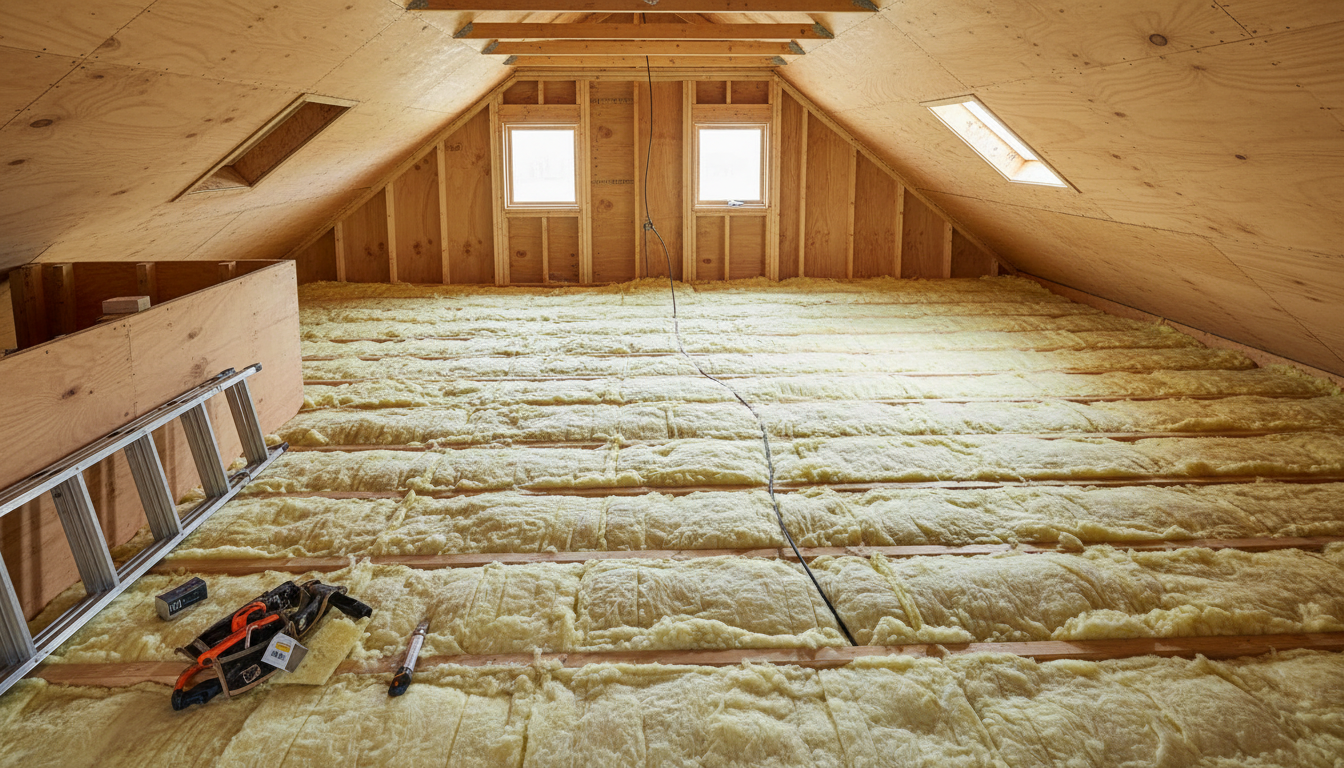
Homeowners in Folsom often weigh radiant barriers against spray foam insulation. These two technologies take fundamentally different approaches to attic management. Spray foam is an encapsulation strategy; it is applied directly to the underside of the roof deck to create an airtight, unvented thermal envelope. This effectively brings the attic into the conditioned space of the home. It is highly effective but comes with a significant price tag and often requires the removal of all existing floor insulation.
In contrast, a radiant barrier requires a traditional vented attic to function correctly. The foil must have an air gap to reflect infrared heat; without this gap, the material simply conducts heat like any other surface. For many local properties with functional soffit and ridge vents, a radiant barrier serves as a pragmatic middle ground. It offers substantial heat rejection without the high expense of full encapsulation.
Feature | Radiant Barrier | Spray Foam (Encapsulation) |
|---|---|---|
Attic Type | Vented | Unvented / Sealed |
Primary Function | Heat Reflection | Air Sealing & Insulation |
Relative Cost | Moderate | High |
Air Sealing | None | Excellent |
The choice often depends on your long term goals and current roof health. If your roof is nearing the end of its life, investing in expensive spray foam might be premature. Conversely, if your primary goal is to stop air leakage from the living space, a radiant barrier alone will not suffice. This distinction is exactly what we identify during a radiant barrier attic California energy audit. We evaluate the structural integrity and existing ventilation of your Folsom home to determine which path provides the best ROI. While spray foam is the premium choice for total climate control, the cost effectiveness of a radiant barrier makes it a compelling alternative for many looking to utilize California energy rebates for efficiency upgrades.
When a Radiant Barrier is Not Worth It
Radiant barriers are not a universal solution for every Folsom rooftop. While the technology is sound, the financial return on investment evaporates in specific scenarios. For instance, homes that have already been upgraded to R60 attic insulation have a thermal boundary so thick that very little conductive heat makes its way through the ceiling. In these cases, the incremental savings from adding foil are often too small to justify the upfront installation cost.
Roof orientation and environment also play a major role. If your property is heavily shaded by mature trees or is primarily north facing, the roof deck likely never reaches the extreme temperatures seen on exposed southern slopes. Without intense infrared radiation to reflect, the barrier remains dormant. Furthermore, a radiant barrier requires a functional path for heat to exit. In an attic with obstructed soffit vents or insufficient ridge venting, the reflected heat remains trapped in the air gap; this can actually increase the temperature of the roof deck and shingles without providing any cooling relief to the home below.
The most common reason a radiant barrier fails to lower a utility bill is that the home has an unaddressed air leakage problem. If conditioned air is escaping from your living space into the attic through recessed lights, plumbing stacks, or top plates, adding foil to the rafters is ineffective. This is like putting a lid on a pot that has a hole in the bottom. A radiant barrier attic California energy audit utilizes thermal imaging to distinguish between radiant heat gain and structural air bypass. By using our methodology to identify these invisible issues, we ensure you do not spend money on a product that cannot solve your specific energy loss profile.
Why an AI Powered Energy Audit Should Decide Before You Buy
The conflict of interest in the home improvement industry is a significant hurdle for homeowners. Most information regarding attic upgrades comes from contractors whose primary goal is to sell a specific inventory of foil or insulation. This often leads to recommendations based on what a crew is trained to install rather than what your home actually needs. California Home Energy Wise operates on a different model. Based here in Folsom, we provide an objective, AI-powered radiant barrier attic California energy audit that prioritizes data over commissions.
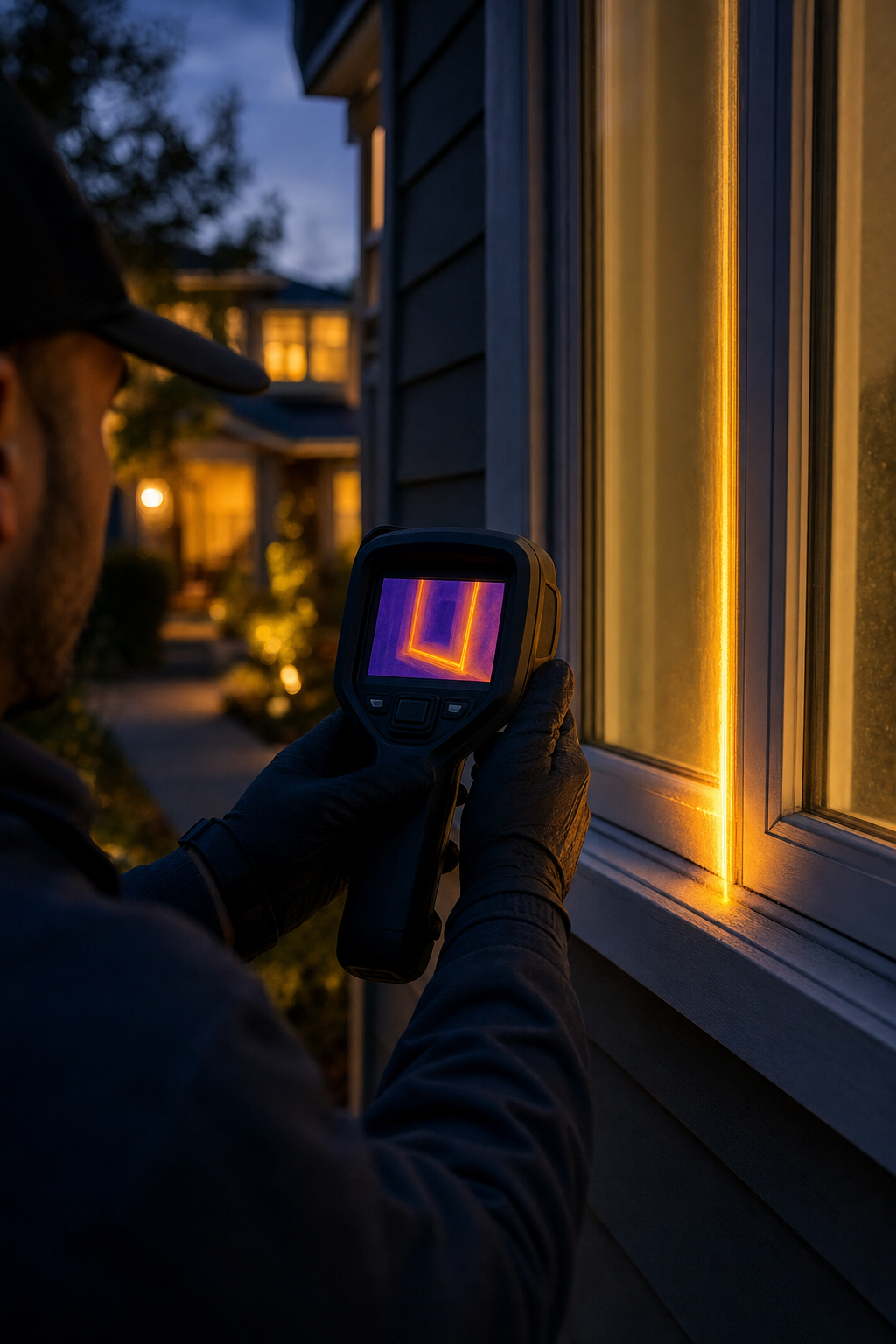
Our process utilizes advanced thermal imaging and AI diagnostics to visualize heat transfer in real time. Instead of guessing if your roof deck is radiating too much heat, we measure the surface temperatures and cross-reference them with your HVAC performance and local climate data. Our AI algorithms analyze these data points to model how heat moves through your specific structure. This allows us to predict the potential energy savings of a radiant barrier versus other interventions like duct sealing or improved ventilation. If our sensors show that your attic is already performing efficiently due to high-quality existing insulation or natural shading, we will tell you plainly.
our methodology treats your house as a single, interconnected ecosystem. We do not look at the attic in isolation. Our inspectors evaluate the integrity of your ductwork and identify critical air leak points that often hide under piles of fiberglass. If your cooling loss is actually caused by leaky ducts or a lack of air sealing between the living space and the attic, a radiant barrier is a secondary concern. By identifying the root cause first, we ensure your investment goes toward the most impactful upgrade. This Folsom-specific expertise ensures that your strategy is tailored to our unique Central Valley climate, providing a clear roadmap for efficiency without the pressure of a product-focused sales pitch. This objective Sacramento energy audit provides the evidence you need to decide if the project is a financial win.
Average Cost and Estimated ROI for California Homeowners
For a standard single-family home in Folsom or the Greater Sacramento area, professional installation typically ranges from $1,000 to $2,500. Total costs depend heavily on your roof pitch and attic accessibility; steep slopes or cramped rafters require more labor and specialized safety equipment. If your attic has a low clearance that requires installers to crawl, labor costs will sit at the higher end of that spectrum.
The payback period is directly influenced by your utility provider. Folsom residents served by SMUD often experience lower electricity rates than those on the PG&E grid. Because PG&E rates are significantly higher, those homeowners usually see a faster return on investment through monthly savings. On average, a well-implemented system pays for itself in 5 to 10 years through reduced cooling loads.
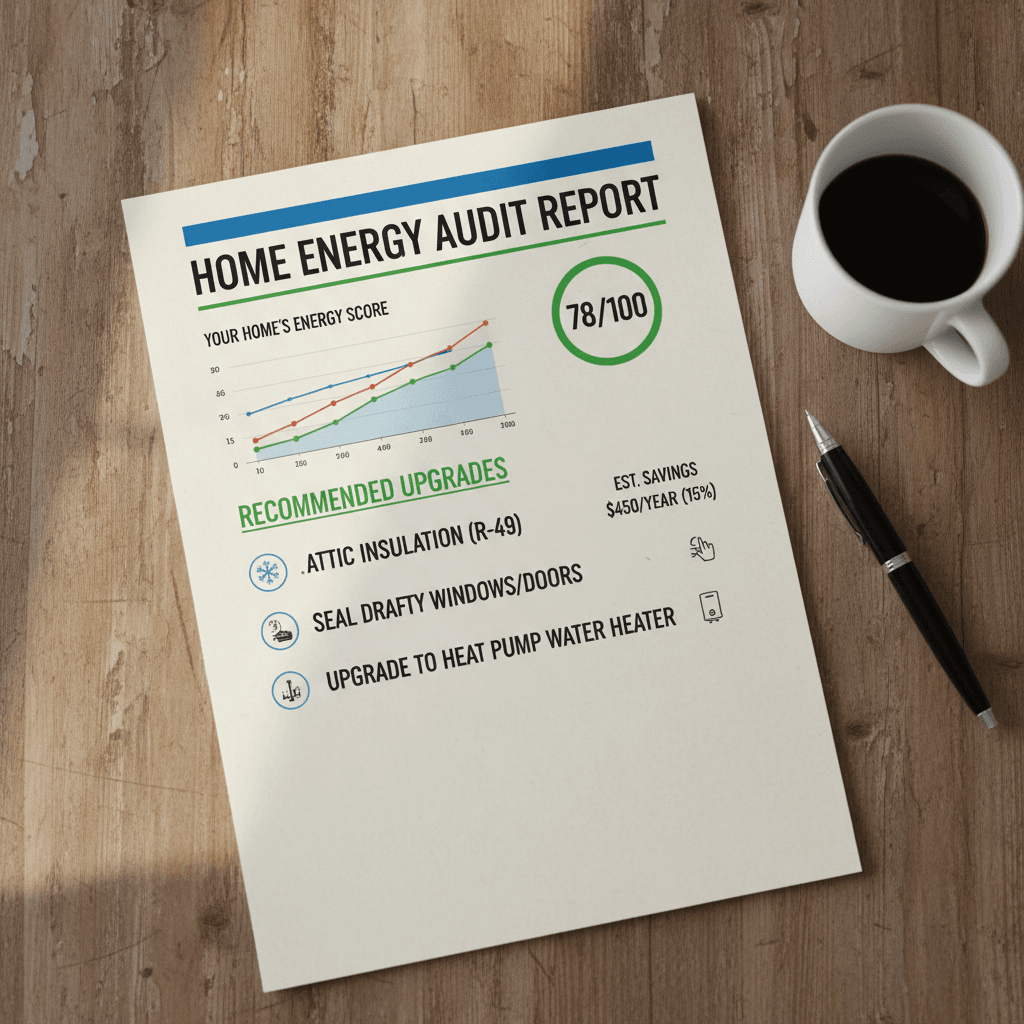
Homeowners often ask if upgrading to R60 insulation is better than adding a foil barrier. While R60 provides superior resistance to conductive heat, it does not reflect the infrared radiation that heats the attic air to 150 degrees. The financial viability of this project often hinges on the findings of a radiant barrier attic California energy audit, which confirms if your current configuration allows for these savings. We use our methodology to determine if your money is better spent here or on other improvements identified in a Sacramento energy audit. You should also check for available California energy rebates that can offset these initial costs, potentially shortening your ROI window significantly.
Ultimately, a radiant barrier is a powerful tool for managing California's heat, but its success depends on a thorough energy audit. By understanding your attic’s specific needs, you can ensure your investment leads to lasting comfort and lower utility bills. If you want expert help identifying the most effective upgrades for your home, our team is here to guide you through the process. You can browse our services to learn more about how we optimize residential energy efficiency for lasting savings.