A home energy score 1-10 explained California residents can use is a rating system where 10 signifies the highest efficiency and 1 indicates the least. This standardized metric acts like a miles-per-gallon rating for a property; it estimates annual energy consumption and costs based on the home's structure. These scores help homeowners evaluate performance and prioritize upgrades to improve sustainability and market appeal.
California homeowners often struggle with rising utility costs and the ambiguity of complex building codes. You might wonder how your property truly compares to newer, high efficiency builds in your neighborhood. The Department of Energy Home Energy Score offers a clear solution by providing a standardized metric for residential efficiency. This rating is essential because it directly impacts your long term operational expenses and property marketability. In this guide, we will decode what your 1 to 10 score actually means for your wallet and comfort. You will learn the critical differences between this score and a HERS rating. We also examine how AI powered audits provide an unbiased assessment. Finally, we share actionable strategies to elevate your rating and secure a more sustainable future for your California home.
What is the Department of Energy Home Energy Score?
The Department of Energy Home Energy Score (HES) serves as a standardized yardstick for residential efficiency across the United States. Much like a vehicle's miles per gallon (MPG) rating, the HES provides a clear snapshot of a property's energy performance compared to other homes nationwide. It estimates how much energy the home will consume and the associated costs based on its physical characteristics rather than its current usage.
Crucially, this is an asset rating. It focuses exclusively on the building's envelope and mechanical systems, such as attic insulation levels, window efficiency, and the age of the HVAC unit. It does not factor in occupant behavior, such as how often you run the dishwasher or what temperature you set the thermostat. This ensures that the home energy score 1-10 explained California residents receive remains consistent regardless of who currently lives in the house.
At California Home Energy Wise, we leverage advanced AI powered tools and our proprietary energy audit methodology to eliminate the guesswork often found in traditional inspections. By scanning the structural data of Folsom and Sacramento area homes, we provide an objective, data driven assessment that is not influenced by sales quotas or product bias. This precision allows homeowners to understand their building's true performance baseline before committing to any renovations.
Decoding the 1 to 10 Scale: What Your Number Actually Means
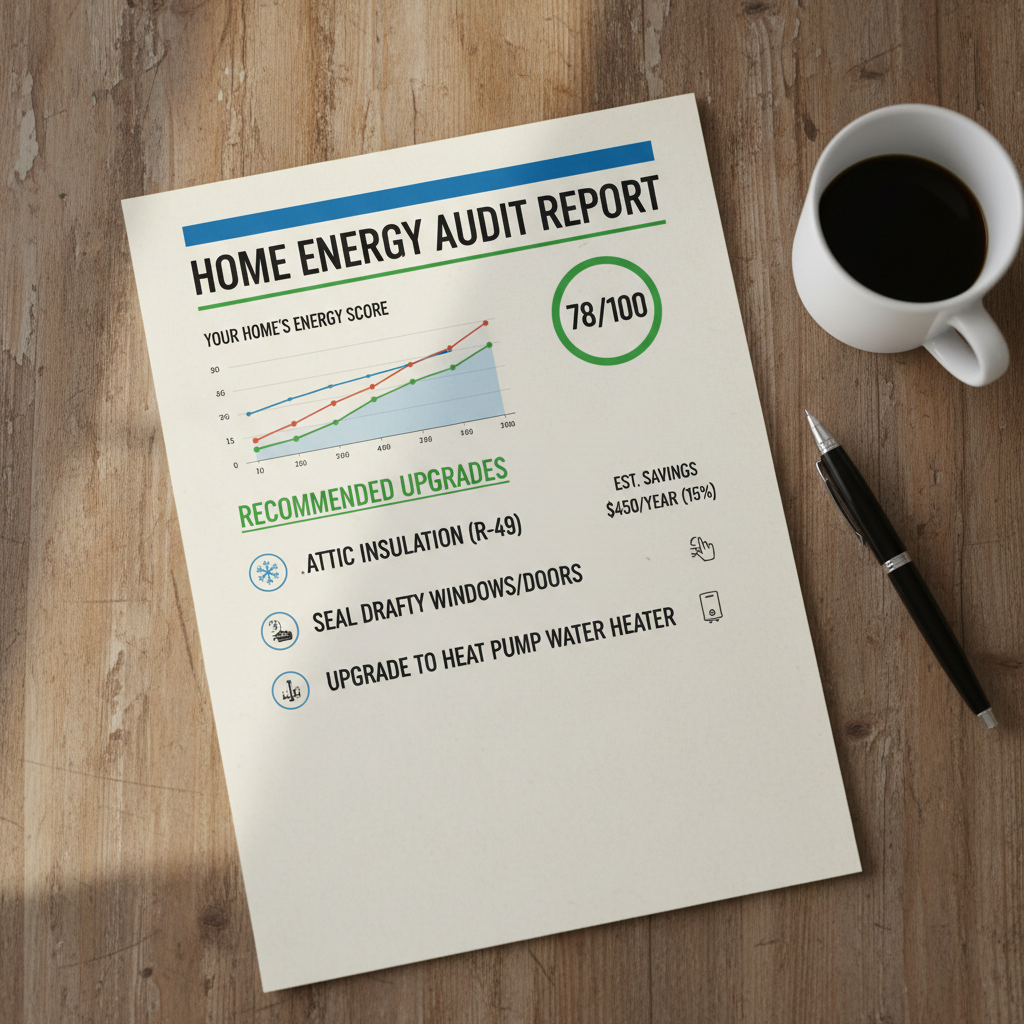
The scoring system operates on a linear 1 to 10 scale, where each point represents a decile of efficiency. A score of 10 indicates that your home is among the top 10 percent of energy efficient housing stock nationwide. Conversely, a score of 1 signals that the property is in the lowest 10 percent, highlighting significant opportunities for modernization. To see how these numbers appear in a finished assessment, you can review a sample home energy report which details the specific breakdown of systems and their impact on the final tally.
Homeowners often ask what a home energy score of 1 actually means for their property value or livability. It is important to understand that a 1 is not a failing grade. Rather, it serves as a baseline assessment of the asset's current state. In the Folsom and Sacramento regions, a score of 1 is frequently assigned to mid-century ranch-style homes or older California bungalows that still utilize their original building materials. These properties typically feature single-pane windows, minimal or settled attic insulation, and aging atmospheric combustion furnaces. In these cases, the score simply reflects that the building will require more energy to maintain comfortable indoor temperatures compared to a modern counterpart.
This home energy score 1-10 explained California residents should know is also highly localized. The Department of Energy’s scoring tool utilizes weather data specific to your zip code. Therefore, a score of 5 for a home in Folsom is calculated against the typical heating and cooling demands of Climate Zone 12, not against a home in a vastly different environment like Maine. This normalization ensures that your rating remains fair and reflects the specific challenges of our hot, dry summers and cool winters. By utilizing AI-integrated diagnostics, we ensure these local climate variables are precisely accounted for, providing an objective starting point for your home's electrification journey.
Home Energy Score vs HERS Rating: What is the Difference?
In California, confusion often arises between the Home Energy Rating System (HERS) and the Home Energy Score (HES). While both provide insights into efficiency, they serve distinct regulatory and practical roles. A HERS Index is primarily a compliance tool used for new construction and significant alterations to meet California’s Title 24 Building Energy Efficiency Standards. It is a complex, deep dive analysis required by building departments to verify that a new home meets state mandates.
For a homeowner in Folsom or Sacramento looking to improve an existing property, the HES is typically the more appropriate and accessible choice. The HES provides a clear roadmap for renovation without the bureaucratic density of a full HERS rating. The scales themselves are fundamentally different, which can be confusing at first glance.
Feature | Home Energy Score (HES) | HERS Index |
|---|---|---|
Primary Use | Existing homes & renovation planning | New construction & Title 24 compliance |
Scoring Scale | 1 to 10 | 0 to 100+ |
Direction | Higher is better (10 = most efficient) | Lower is better (0 = net zero) |
Comparison | Relative to local climate peers | Relative to a 2006 standard reference home |
Choosing the right assessment depends on your goals. If you are replacing a single HVAC component and the city requires a HERS duct leakage test, that is a specific technical verification. However, if you want a comprehensive look at how your attic insulation, windows, and water heater work together, a professional energy audit in Sacramento utilizing the HES is more effective. This home energy score 1-10 explained California homeowners can use provides a simplified, asset-based view that identifies which specific upgrades will move the needle on comfort and costs. It turns complex data into a prioritized list for electrification rather than just meeting a minimum legal threshold for a building permit.
Why California Homeowners Should Care About Their Score
California’s regulatory landscape is shifting toward mandatory transparency. The Berkeley Building Emissions Saving Ordinance (BESO) provides a clear preview of this trend; it requires owners of one or two unit homes to obtain a Home Energy Score before listing their property for sale. This mandate ensures that prospective buyers understand the anticipated operating costs of the asset, much like checking the window sticker for fuel economy on a new car.
Beyond compliance, a strong rating acts as a value multiplier in competitive markets like Sacramento and Folsom. In regions where utility rates remain a significant monthly expense, providing a documented sample home energy report removes the mystery of seasonal bill spikes. Data suggests that transparent energy costs are a compelling selling point for modern buyers who prioritize long term affordability.
Furthermore, a high home energy score 1-10 explained California residents can achieve, specifically a 9 or 10, can earn immediate credits in local compliance systems. Under the BESO framework, a score in this top tier grants two credits toward the six required for compliance, potentially saving homeowners the cost of mandatory physical upgrades. By establishing this baseline through a professional energy audit in Sacramento, you position your property as a high performing asset in an increasingly electrification conscious market.
Top 5 Ways to Improve Your Home Energy Score in California
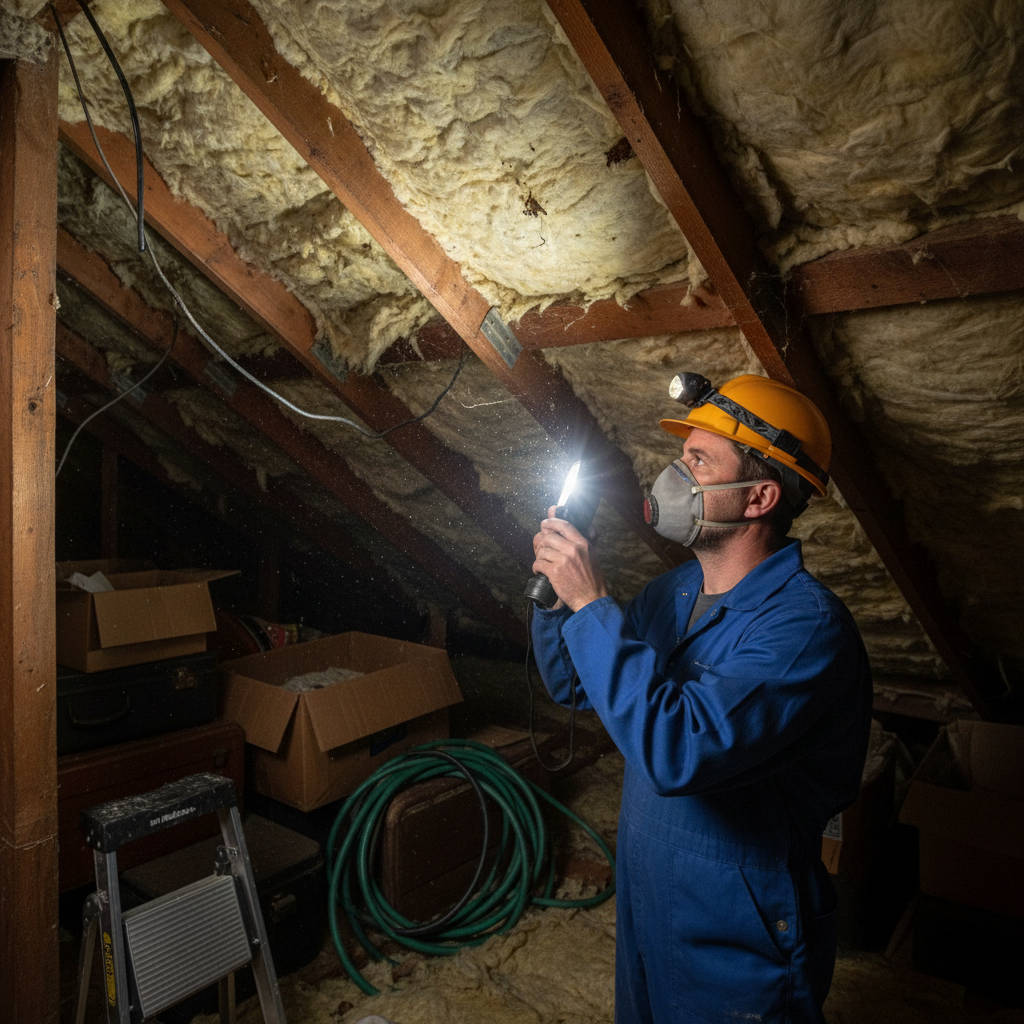
Improving your rating requires a strategic approach rather than a scattershot list of repairs. While every property has unique thermal characteristics, five specific upgrades consistently offer the highest return on investment for the home energy score 1-10 explained California residents need to improve.
Attic Insulation Upgrades: In the Sacramento Valley, summer temperatures frequently exceed 100 degrees. Many older homes feature settled fiberglass batts providing an R-value of 19 or less. Increasing this to R-38 using blown-in cellulose or mineral wool creates a robust thermal barrier, significantly reducing the cooling load on your HVAC system. This single improvement is often the most cost-effective way to move your score upward.
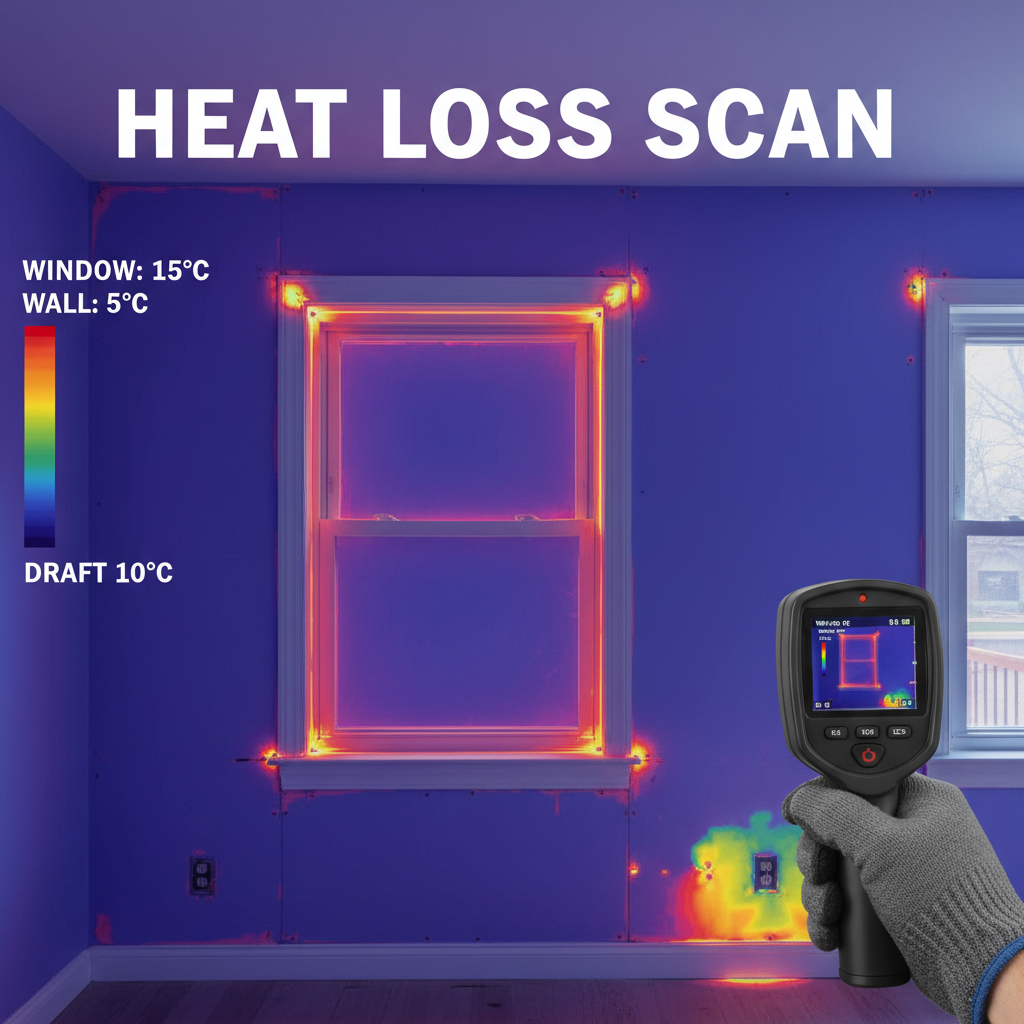
Comprehensive Air Sealing: A home can have new insulation but still perform poorly if air leaks through the building envelope. We use thermal imaging during our inspections to identify hidden gaps in top plates, recessed lighting, and plumbing stacks. Sealing these penetrations prevents expensive conditioned air from escaping into the attic or crawlspace, which maintains indoor comfort without overworking your equipment.
Transition to Heat Pump Technology: Moving away from atmospheric gas combustion is the most effective way to jump multiple points on the scale. High-efficiency heat pump HVAC systems and heat pump water heaters are the primary drivers of a 9 or 10 score. These systems provide both heating and cooling with remarkable efficiency, aligning perfectly with California's statewide electrification goals.
Ductwork Optimization: Because many Folsom area homes have ductwork located in unconditioned attic spaces, even minor leaks lead to massive energy loss. Sealing joints with mastic and ensuring ducts are properly insulated prevents the attic-warmed air effect during our peak summer months.
Building Envelope Integrity: Beyond the attic, wall insulation and high-performance windows are critical. Many mid-century homes in our region were built with empty wall cavities. Dense-packing these walls and upgrading to dual-pane, Low-E windows creates a tighter seal against the elements, further stabilizing the interior climate.
By applying our energy audit methodology, we help homeowners prioritize these tasks based on objective data. Rather than guessing which upgrade to tackle first, a professional energy audit in Sacramento provides a data-backed roadmap to peak performance, ensuring your investment yields the highest possible score increase.
How AI Powered Energy Audits Remove the Bias from Your Score
Traditional energy inspections often suffer from a fundamental conflict of interest. In many cases, the individual performing the assessment is also a sales representative for a solar, window, or HVAC company. This dynamic can lead to recommendations that prioritize high commission products rather than the most cost effective thermal improvements. At California Home Energy Wise, we function as independent advisors. By utilizing an AI integrated approach, we separate the diagnostic process from the sales floor, providing an objective home energy score 1-10 explained California homeowners can trust for its impartiality.
Our energy audit methodology combines the nuanced observation of experienced inspectors with advanced computer vision and data processing. We use specialized technology to scan the home's geometry and mechanical systems, which allows us to identify thermal bypasses and insulation gaps that a human eye might overlook. The resulting sample home energy report goes beyond a simple number; it serves as a prioritized electrification roadmap. This data driven output ranks upgrades based on their actual impact on your score and comfort, rather than a contractor’s inventory. This level of precision is essential for anyone seeking a professional energy audit in Sacramento who wants to invest their renovation budget into the improvements that truly move the needle.