

Choosing between a heat pump and a traditional air conditioner depends on balancing upfront costs with long term efficiency gains. A professional heat pump vs central AC California energy audit identifies the specific load requirements of a home to ensure the system is correctly sized for the local climate. This assessment helps homeowners maximize energy savings and qualify for regional rebates while avoiding the inefficiency of an oversized unit.
When your HVAC system nears the end of its life in the California heat, the pressure to make a quick decision between a traditional central AC and a modern heat pump can feel overwhelming. Most Folsom homeowners are pushed toward a standard one to one replacement, yet this shortcut often ignores significant changes in your home's thermal envelope and rising utility rates. Relying on contractor intuition rather than hard data is a costly risk that could lock you into twenty years of inefficiency. This article explains why a professional energy audit must be your first step before signing any contract. We will cover the necessity of Manual J load calculations, the reality of contractor bias, and how to determine if a dual fuel or all electric configuration actually suits your specific property. By the end, you will understand how to use objective metrics to secure long term comfort.
The California HVAC Crossroads: Understanding Your Options
Homeowners in Folsom face a significant decision when an aging HVAC system fails. The choice traditionally falls between a central air conditioner paired with a gas furnace or a modern electric heat pump. A central AC is a dedicated cooling tool; it works alongside a furnace that generates heat by burning natural gas. In contrast, a heat pump is a dual-purpose system. It does not create heat through combustion or electric resistance. Instead, it uses a refrigerant cycle to move heat into the home during winter and pull it out during summer.
Current California standards for 2024 through 2026 require specific efficiency benchmarks. Equipment is now rated using SEER2 for cooling efficiency and HSPF2 for heating efficiency. These newer testing protocols provide a more accurate representation of how a unit performs under real-world conditions. For the Sacramento Valley, where winters are relatively mild and summers are intense, these ratings are critical for calculating long-term operational costs.
While a heat pump is technically capable of heating a home even when temperatures drop significantly, its performance is inextricably linked to the building envelope. In the debate over a heat pump vs central AC California energy audit results are the deciding factor in which technology will actually lower your monthly overhead. A high-efficiency machine cannot overcome a leaky attic or poor ductwork. This is why a Folsom home energy audit is a prerequisite for any replacement. Understanding the value of an energy audit allows you to see your home as a complete system. The machine you choose must match the specific thermal needs of your structure, ensuring you can eventually maximize your access to rebates and incentives based on real performance data.
Why Upfront Cost Comparison is Often Misleading
Focusing strictly on the initial quote is a common mistake for Folsom property owners. While a central AC and gas furnace installation typically ranges from $11,800 to $18,500, a modern heat pump carries a higher upfront cost of $13,500 to $21,500. This difference often leads homeowners back to fossil fuels; however, the calculation is incomplete without factoring in localized incentives and long term operational efficiency.
System Type | Typical Installed Cost (3-Ton) | Potential Incentives | Efficiency Limit |
|---|---|---|---|
Central AC + Gas Furnace | $11,800 – $18,500 | Minimal / Local | ~96% AFUE |
Modern Heat Pump | $13,500 – $21,500 | $1,000 – $1,900+ | 250% – 400% (COP) |
Programs like TECH Clean California and the High-Efficiency Electric Home Rebate Act (HEEHRA) are designed to bridge this exact gap. These rebates often provide $1,000 to $1,900 in immediate relief, bringing the net investment for a heat pump within range of a traditional setup. Unlike gas furnaces, which peak at 96 percent efficiency, heat pumps deliver 2.5 to 4 units of heat for every unit of electricity consumed.
Accessing these funds requires more than just choosing a brand. When reviewing a heat pump vs central AC California energy audit report, you see exactly which performance thresholds your home qualifies for. An audit identifies the specific efficiency levels required to trigger the maximum rebates and incentives based on your current ductwork and insulation quality, ensuring you do not leave money on the table by installing equipment that fails to meet program standards.
The Danger of the One to One Replacement Strategy
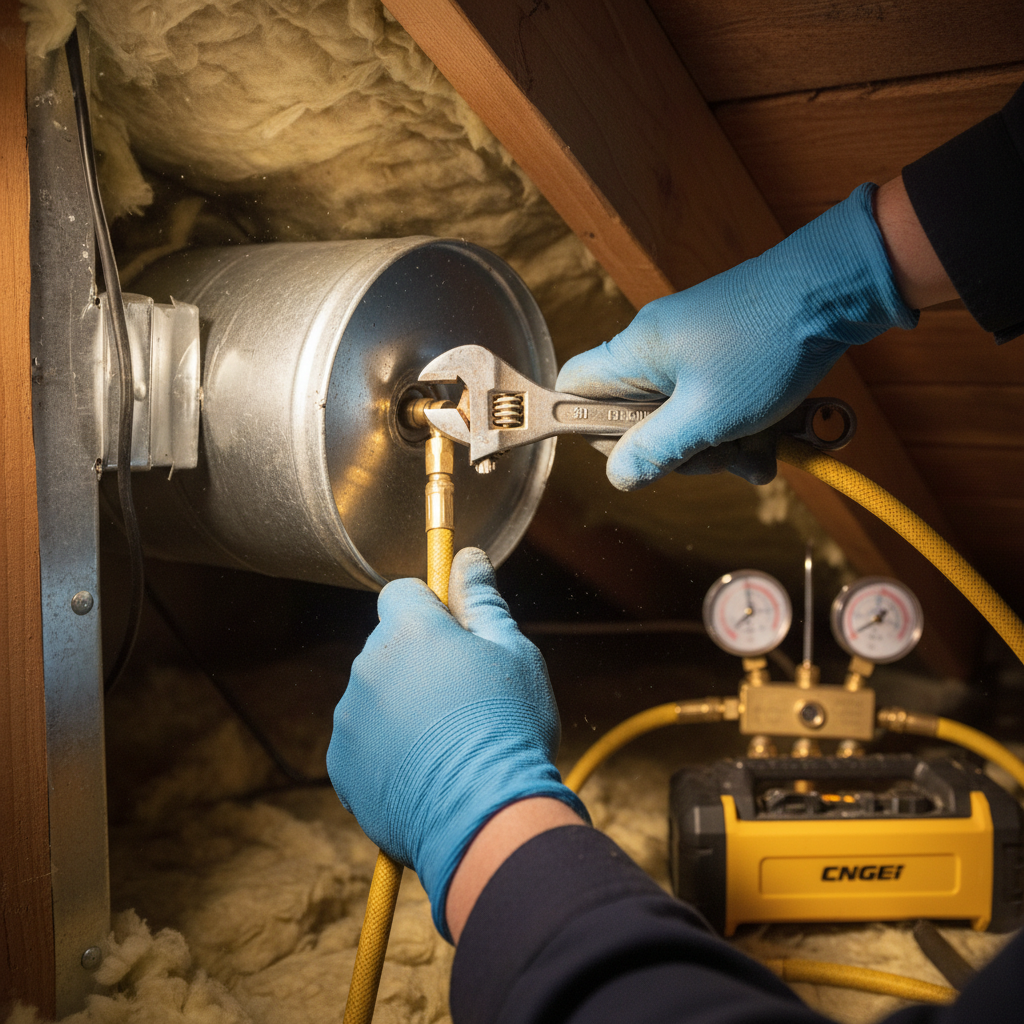
Many Folsom homeowners assume that if they currently have a 3-ton AC unit, they simply need a 3-ton heat pump. This like-for-like approach is a significant gamble. In the years since your original HVAC system was installed, your home’s thermal characteristics have likely changed. If you have recently upgraded your attic insulation to modern R-49 standards or performed professional duct sealing, your home is now far more efficient at holding conditioned air. Consequently, the load, or the amount of energy required to keep the space comfortable, has dropped.
Installing a system based on outdated data often leads to chronic oversizing. Heat pumps are engineered to be most efficient when they run for longer, steady cycles. When a unit is too large for the actual needs of the space, it suffers from short cycling. This occurs when the system reaches the target temperature too quickly and shuts down before it can properly dehumidify the air. This results in lingering humidity issues and increased wear on the compressor.
Furthermore, short cycling is the primary reason people ask why their electric bill is so high with a new heat pump despite the promised efficiency. Every time a motor starts up, it consumes a surge of power; a system that turns on and off twenty times an hour is far more expensive to operate than one that runs continuously at a lower speed. A heat pump vs central AC California energy audit provides the objective data needed to resize the equipment to the current needs of the structure. Relying on a Folsom home energy audit ensures you understand the value of an energy audit before signing a contract. This precision prevents you from paying for capacity you do not need and ensures your equipment is eligible for the highest tier of rebates and incentives.
How an Energy Audit Performs a Manual J Load Calculation

To bridge the gap between abstract efficiency and a working system, an objective analysis must replace guesswork. The industry gold standard for this is a Manual J load calculation. While many contractors rely on outdated rules of thumb, such as allocating one ton of cooling for every 500 square feet, this method ignores the unique physics of your home. California Home Energy Wise uses AI-assisted technology and specialized sensors to quantify the actual thermal demands of your space.
We measure critical variables including: - Solar heat gain through specific window orientations. - The actual R-value and condition of wall and floor insulation. - Precise air infiltration rates measured during a blower door test.
This data-driven approach ensures the calculated load reflects the home as it exists today. In the context of a heat pump vs central AC California energy audit, this calculation prevents the bigger is better fallacy. By identifying the right size rather than the biggest size, we provide the technical foundation for a Folsom home energy audit that maximizes comfort. Understanding the value of an energy audit means recognizing that precise sizing is the only way to secure the performance required by modern rebates and incentives. An oversized unit is not an upgrade; it is a liability that compromises the efficiency benchmarks you are paying to achieve.
Overcoming Contractor Bias and the Twenty Percent Rule
Homeowners often encounter resistance when asking local HVAC professionals about transitioning to electric systems. This hesitation usually stems from institutional habit rather than technical limitations. Many installers prefer traditional gas and AC setups because their teams are intimately familiar with the wiring and venting of these units, and their warehouses are often stocked with these components for rapid turnover. Some contractors also cite the twenty percent rule, a guideline suggesting that heat pumps require twenty percent more capacity or significantly larger ductwork to compensate for lower supply air temperatures compared to gas furnaces. While airflow volume is a critical factor for heat pump performance, using this rule as a blanket reason to avoid electrification is often an oversimplification.
An independent heat pump vs central AC California energy audit removes this contractor bias by providing a data-driven roadmap. Instead of relying on a salesperson's inventory or subjective preferences, you receive a precise technical specification. Obtaining a Folsom home energy audit allows you to approach contractors with a predetermined bid spec, ensuring they quote the equipment your home actually requires rather than what is easiest for them to install. The true value of an energy audit lies in this objectivity; it protects you from being upsold on oversized equipment or talked out of efficient technology based on a contractor's comfort zone.
Dual Fuel vs All Electric: Which Fits the Folsom Climate?
Folsom experiences peak summer highs and occasional winter dips into the 30s. This specific climate is ideal for heat pump technology, yet homeowners must still choose between dual-fuel and all-electric configurations. A dual-fuel or hybrid system pairs an electric heat pump with a gas furnace backup. The system utilizes the heat pump for moderate temperatures and switches to gas only during extreme cold. While this offers a safety net, modern cold-climate heat pumps are now engineered to operate efficiently down to -5 degrees, which is far lower than any temperature typically recorded in the Sacramento Valley.
The technical feasibility of going all-electric often depends on your home's infrastructure rather than the weather. A transition to a full electric system frequently requires a 200-amp electrical panel to handle the increased load. If your current panel is limited to 100 or 125 amps, the cost of an unplanned panel upgrade can quickly erode the financial benefits of rebates and incentives.
During a heat pump vs central AC California energy audit, we evaluate your existing electrical capacity alongside your thermal needs. This objective analysis identifies if a hybrid approach is the more cost-effective path for your specific property or if your home is ready for a total gas buyout. By identifying these constraints during a Folsom home energy audit, you avoid mid-project budget inflation. Understanding the value of an energy audit means choosing a configuration that aligns with your home’s actual power limits and your long-term efficiency goals.
Step by Step: The Pre-Replacement Audit Process

The audit begins with a rigorous baseline measurement of your home's envelope. Our inspectors perform a blower door test to depressurize the house, identifying exactly where conditioned air escapes through the building shell. We follow this with a comprehensive duct leakage assessment to ensure your distribution system can handle the static pressure requirements of a new high-efficiency system.
These data points are fed into our AI-driven modeling software alongside site-specific measurements of insulation and window performance. The result is a granular report that eliminates the ambiguity often found in the heat pump vs central AC California energy audit process. This document serves as your independent bid specification. Instead of asking three contractors for their opinions, you provide them with the specific load requirements identified in your Folsom home energy audit. This forces HVAC companies to quote on identical performance parameters, ensuring you understand the true value of an energy audit and can accurately compare rebates and incentives across different bids.


