
An energy-efficient pool pump pays off when annual electricity savings, which can range from $180 to $850 depending on pool size, exceed the upfront costs within a few years. Performing a pool pump energy audit California homeowners should consider involves comparing current single-speed usage against variable-speed efficiency and local utility rates; this calculation confirms if the monthly savings justify the initial investment.
For California homeowners, the shimmering blue of a backyard pool often comes with a mounting expense on every utility statement. As electricity rates continue to climb, operating an outdated single speed pump can quietly become your household's largest energy drain. Understanding whether a high efficiency upgrade will truly deliver on its promise requires more than just reading a manufacturer label; it demands a clear look at your specific local rates and circulation needs. In this guide, we explore the mechanics of an AI powered pool pump energy audit and how it identifies hidden inefficiencies. You will learn how to calculate a realistic return on investment, navigate current California utility rebates, and avoid common installation mistakes that compromise savings. By the end, you will have a data driven roadmap to determine if a pump upgrade is a necessary investment for your home.
Why California Pool Owners Pay a Premium for Water Circulation
California homeowners face some of the highest electricity rates in the nation, often paying double or triple the national average per kilowatt-hour. In the Folsom and Sacramento regions, where summer temperatures frequently exceed 100 degrees, the energy required to maintain a pool is significant. For most properties in the Central Valley, the pool pump is the second or third largest energy consumer, trailing only the HVAC system. This makes the mechanical efficiency of your filtration system a critical component of your monthly utility bill.
The shift toward Time of Use (TOU) rate structures by utilities like PG&E and SMUD has further complicated these costs. Under these plans, the price of electricity fluctuates based on the time of day, with peak hours typically occurring between 4 PM and 9 PM. If an aging, single-speed pump is scheduled to run during these premium windows, the operational cost can be staggering. Efficient water circulation is no longer just about the hardware; it is about when that hardware operates and how much power it draws during those specific intervals.
Because every plumbing layout and pool volume is different, a generic estimate of savings is rarely accurate. A specialized pool pump energy audit California provides the granular data necessary to see how your specific system interacts with your utility's rate schedule. By measuring actual electrical draw rather than relying on manufacturer labels, a Folsom home energy audit identifies exactly where your money is going. This objective analysis is the first step in determining if an upgrade is a sound financial investment or if simple scheduling adjustments can solve the problem.
The Real Difference Between Single Speed and Variable Speed Pumps
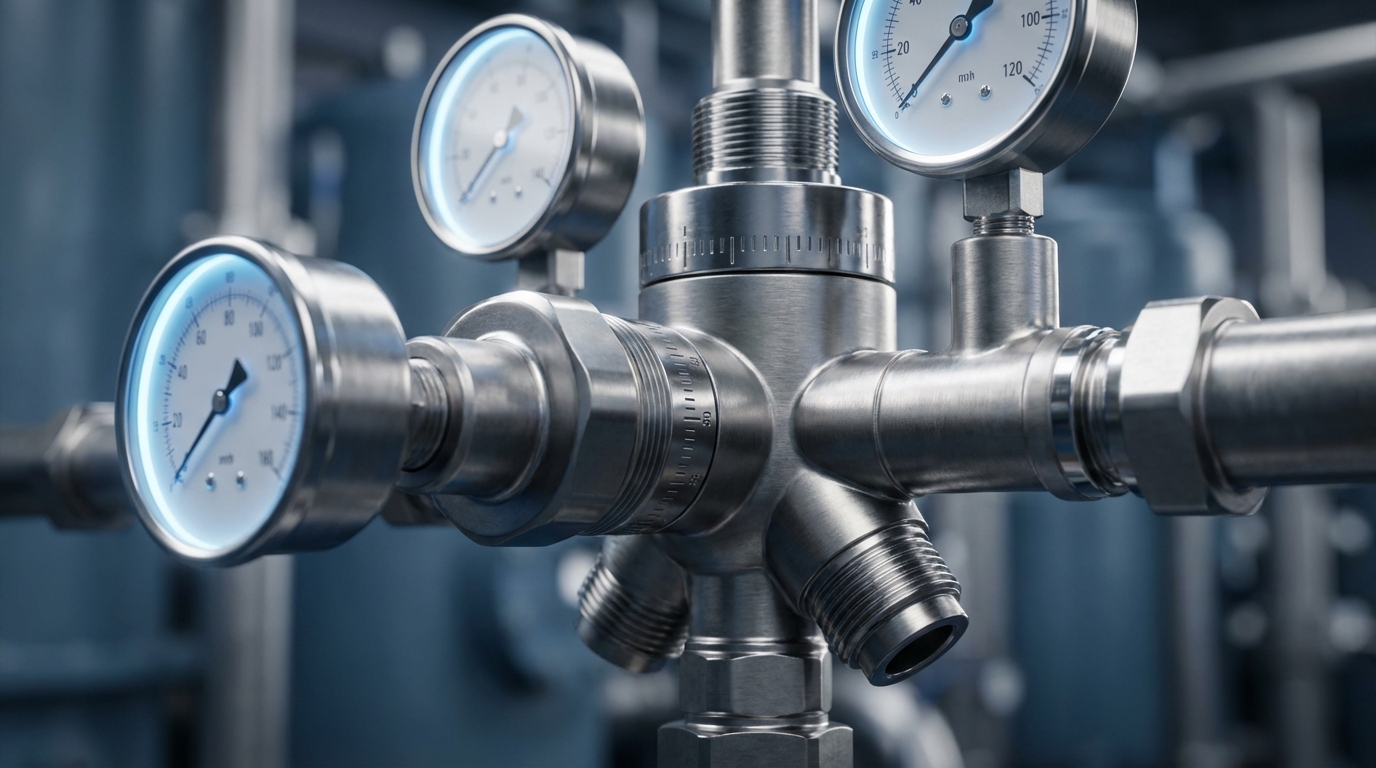
Understanding the mechanical difference between these two technologies is essential to interpreting an objective energy analysis. Single speed pumps operate on a binary principle, much like a standard light switch. They are either 100 percent on or 100 percent off. Most fixed speed models run at approximately 3,450 revolutions per minute (RPM), providing maximum flow regardless of the task at hand. While this high velocity is necessary for vacuuming or powering a waterfall, it is massive overkill for the 8 to 12 hours of filtration required daily to keep a pool clear.
Variable speed pumps (VSPs) replace this all or nothing approach with adjustable motor speeds. By using permanent magnet motors, these units can be programmed to run at significantly lower RPMs for filtration and higher RPMs only when the system demands it. This technological shift was codified by the 2021 Department of Energy (DOE) mandate, which established stringent efficiency requirements that effectively ended the manufacture of most new single speed pumps for larger residential pools.
The efficiency of a VSP is explained by the Pump Affinity Laws, a set of physics principles that define the relationship between motor speed and energy consumption. According to these laws, the power required to run a pump is proportional to the cube of the speed. This means that small reductions in RPM lead to massive reductions in energy draw.
Motor Speed (RPM) | Relative Flow Rate | Relative Power Draw |
|---|---|---|
3450 (Full Speed) | 100% | 100% |
2588 (75% Speed) | 75% | 42% |
1725 (50% Speed) | 50% | 12.5% |
Running a pump at half speed for a longer duration can move the same total volume of water as a single speed pump running at full blast, but it does so using only a fraction of the electricity. During a pool pump energy audit California inspectors look at your specific hydraulic setup to determine if your current pump is moving more water than necessary at a higher cost than required. Identifying this disparity is the cornerstone of our methodology, ensuring any recommended changes are based on fluid dynamics rather than sales quotas.
How an AI Powered Pool Pump Energy Audit Works

A pool pump energy audit California residents receive from our team involves a much more precise diagnostic process than standard equipment checks. Instead of guessing based on manufacturer labels, we use non-invasive sensors to capture the actual amperage and wattage your pump draws while in operation. This is crucial because factors like age, bearing wear, and motor friction can cause an older pump to consume significantly more energy than its original rating suggests.
Our process integrates these real-time measurements with our methodology to evaluate the hydraulic efficiency of your entire system. We use advanced software to calculate the total dynamic head, which represents the resistance in your pipes, and measure the flow rate to determine if your pump is properly sized for your pool volume. In many Folsom and Sacramento homes, pumps are chronically oversized, leading to unnecessary energy waste and shortened equipment life.
Metric Analyzed | Importance for Efficiency |
|---|---|
Actual Wattage | Measures real power draw, not the theoretical nameplate rating. |
Flow Rate (GPM) | Ensures the pump moves enough water to filter the pool without over-cycling. |
Total Dynamic Head | Identifies friction losses from plumbing turns and filter resistance. |
Runtime Optimization | Matches pump activity to Time of Use (TOU) windows for lower rates. |
Unlike a free inspection from a pool equipment retailer, which is often a lead generation tool for a high-margin motor sale, our audit provides objective data. We analyze the results to see if a simple adjustment to runtime or a minor plumbing fix could yield results, ensuring you only invest in new hardware if the data proves a clear financial return.
Calculating Your Potential ROI: When Does a New Pump Pay for Itself?
Determining the Return on Investment (ROI) requires moving beyond manufacturer estimates to apply specific local utility rates and hydraulic conditions. For a typical 18,000 gallon pool in the Sacramento area, a standard 1.5 HP single speed pump often consumes about 1.6 kilowatts per hour. Operating this unit for eight hours a day results in an annual energy cost of approximately $1,635, assuming a blended utility rate of $0.35 per kilowatt-hour.
Performance Metric | 1.5 HP Single-Speed | High-Efficiency VSP |
|---|---|---|
Daily Energy Use | 12.8 kWh | 3.5 kWh |
Annual Operating Cost | ~$1,635 | ~$447 |
Net Annual Savings | Baseline | $1,188 |
A pool pump energy audit California residents can rely on will also identify when an upgrade is not a sound financial move. If a property features a very small pool or a system that only runs seasonally, the annual savings might drop below $200. In these specific scenarios, the $1,300 to $1,800 cost of a premium VSP might not be recovered within the 8 to 10 year expected lifespan of the motor.
We use our methodology to identify these edge cases, ensuring owners do not over invest in hardware that lacks a clear path to profitability. When a fast payback is identified, we also help homeowners factor in available rebates and incentives to further shorten the ROI window and maximize the long term value of the equipment.
Common Mistakes That Eat Your Pool Energy Savings
Securing a high-efficiency pump is only half the battle; operational errors often erode the projected savings calculated during a pool pump energy audit California inspectors conduct. One of the most frequent mistakes is the set it and forget it approach to runtime. While running a pump for 24 hours at a low RPM is often cited as a best practice for water clarity, doing so at an incorrectly high speed can actually result in a higher monthly bill than the old single-speed unit it replaced.
In Folsom and the surrounding Sacramento area, the timing of this runtime is equally critical. With PG&E and SMUD peak pricing typically occurring between 4 PM and 9 PM, any significant pump activity during this window is financially inefficient. The most cost-effective strategy is to schedule heavy filtration and high-speed tasks, such as running a pressure-side cleaner or a waterfall, for the early morning hours when rates are at their lowest. During the 4 PM to 9 PM window, the pump should either be powered off or set to its absolute minimum filtration speed.
Hydraulic resistance also plays a major role in energy waste. A variable speed pump that is forced to push water through a calcified DE filter or a clogged cartridge must work harder to maintain the programmed flow rate, increasing its wattage draw. According to our methodology, addressing plumbing bottlenecks and maintaining clean filtration media is essential to achieving the lowest possible total dynamic head.
Pool Task | Recommended RPM Range | Energy Impact |
|---|---|---|
Daily Filtration | 1000 - 1500 RPM | Minimal (Highest Efficiency) |
Suction Vacuuming | 2400 - 2800 RPM | Moderate |
Waterfall Features | 2800 - 3250 RPM | High |
Priming / Startup | 3450 RPM | Maximum (Short Duration Only) |
By dialing in these specific speeds rather than relying on a single, high-velocity setting, homeowners can prevent the hydraulic drag that leads to premature motor wear and inflated utility costs.
Navigating California Utility Rebates and Incentives
Maximizing the financial return on a high-efficiency upgrade involves leveraging available rebates and incentives. While large-scale federal programs undergo periodic shifts, residents in Folsom and the greater Sacramento area can still access localized savings. Many of these programs are structured as midstream incentives, where the discount is applied directly at the point of sale or through authorized installers, simplifying the process for the homeowner.
To qualify for the majority of California utility programs, the equipment must be ENERGY STAR certified. Utilities such as SMUD and PG&E frequently participate in the Golden State Rebates program, which provides instant incentives for specific high-efficiency models. Before purchasing equipment, homeowners should verify eligibility through the ENERGY STAR Product Finder or their utility's rebate portal. A pool pump energy audit California inspectors provide will typically include a list of qualifying models that match your system's specific hydraulic requirements. This ensures you do not invest in hardware that technically saves energy but fails to meet the administrative criteria for a rebate.
Incentive Source | Common Benefit Type | Primary Requirement |
|---|---|---|
Golden State Rebates | Instant / Midstream | ENERGY STAR Certified |
SMUD / PG&E Programs | Point-of-Sale or Rebate | High-Efficiency Rating |
Federal Energy Credits | Annual Tax Offset | Varies by Program Year |
Is Your Pool Pump Hiding Other Energy Leaks?
A pool pump energy audit California residents commission often reveals that high utility bills are symptomatic of wider systemic issues. While the pump is a significant contributor to energy waste, its impact is magnified when the rest of the home is not optimized for current rate structures. A standalone equipment check is most valuable when expanded into a comprehensive Folsom home energy audit.
This holistic approach ensures your total electrical load is managed efficiently. Using our methodology, we identify if pool savings are being offset by HVAC inefficiencies or poor insulation. Combining these insights allows you to leverage rebates and incentives across multiple systems, transforming a single equipment upgrade into a whole home performance strategy.
Deciding if an energy efficient pool pump is right for your home comes down to your specific utility rates and daily pump usage. While the potential for savings over time is high, calculating the exact return on investment requires a look at your current equipment. If you want expert help navigating these technical details, our team is here to guide you. You can learn more about our mission and expertise on our About page. We are dedicated to helping California homeowners make informed decisions.