Homeowners can still access California energy rebates 2026 through the Golden State Rebates program and local utility incentives from providers like SCE and SMUD. While HEEHRA funding is currently waitlisted, active programs provide up to $1,750 for heat pump water heaters, instant coupons for smart thermostats, and ongoing federal tax credits for energy efficient upgrades.
Homeowners across Sacramento and Folsom spent the last few years waiting for the massive HEEHRA rollout, yet as we enter 2026, many are facing closed waitlists or depleted funding. It is frustrating to feel like you missed the window for meaningful savings while your HVAC or water heater nears the end of its life. However, the rebate landscape has simply evolved rather than disappeared. You need a strategy that prioritizes practical, immediate financial returns over speculative future grants. In this guide, we break down the current 25C federal tax credits and localized utility incentives from SMUD and PG&E. We also explain how the 2026 refrigerant transition impacts your equipment choices and why an AI powered energy audit is now the essential first step to securing every available dollar. You will learn how to navigate this shifting market without falling for high pressure sales tactics.
The 2026 Rebate Landscape: Moving Past the HEEHRA Waitlist
As of February 24, 2026, the landscape for California energy rebates 2026 has undergone a significant transformation. The High-Efficiency Electric Home Rebate Act (HEEHRA) Phase I funds for single-family residences are officially fully reserved. Homeowners who were banking on the widely publicized $8,000 point-of-sale rebates now find themselves on a waitlist with no clear timeline for replenishment. While this specific program is paused, it does not mean that financial support for energy efficiency has disappeared. The California rebate ecosystem remains active, but the path to securing funding has become more technical and decentralized.
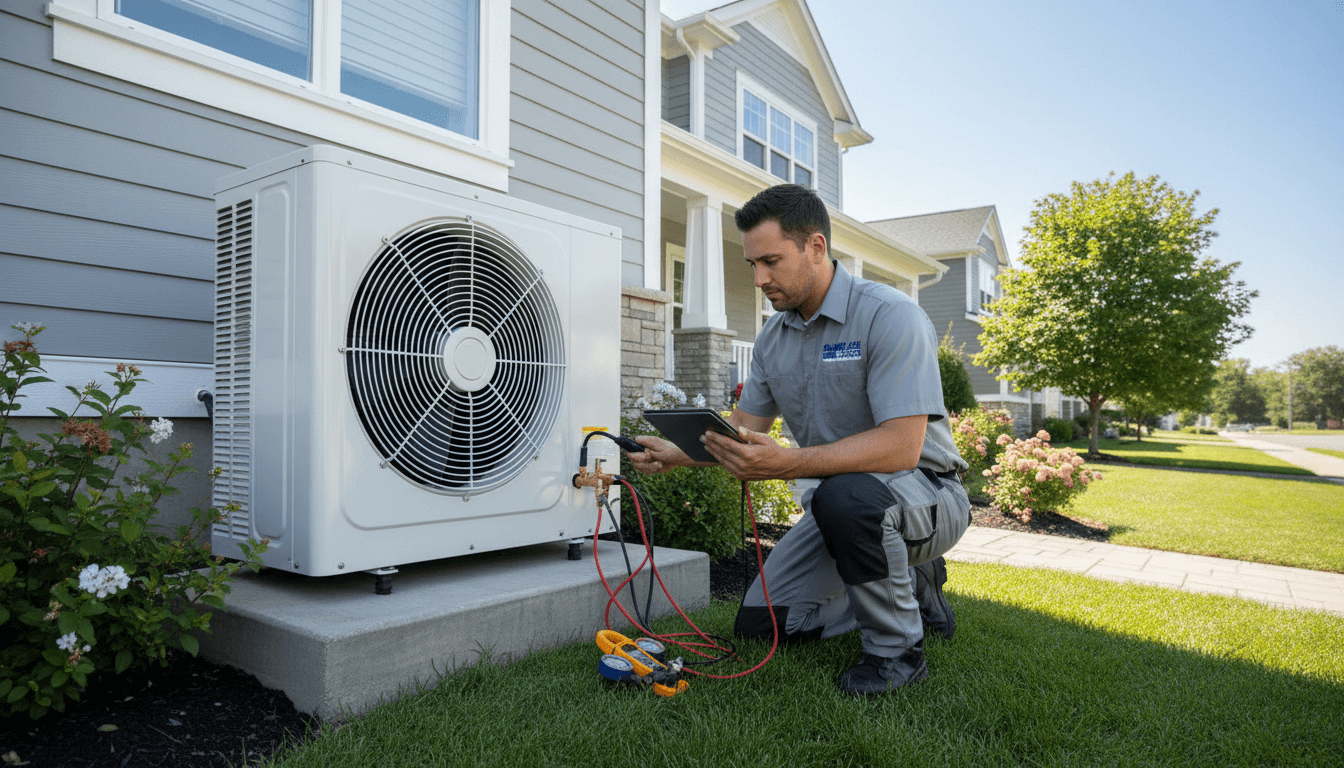
Navigating this new environment requires moving away from a reactive, rebate-first mindset toward a strategy-first approach. The current ecosystem is a patchwork of different funding sources, each with its own rules and eligibility windows. It is important to differentiate between federal 25C tax credits, which offer a percentage-based reduction in tax liability, and state-level initiatives like TECH Clean California. Locally, residents in Folsom and the greater Sacramento area still have access to robust California rebates and incentives through SMUD and PG&E. These utility-specific programs often provide thousands of dollars for heat pumps and water heaters, often bypassing the waitlist issues currently plaguing federal-to-state programs.
Understanding how these layers interact is essential for any project. A successful upgrade in 2026 involves stacking these remaining funds rather than waiting for a single program to return. Most homeowners overlook that SMUD incentives for heat pump HVAC systems can still reach up to $3,000, depending on the SEER2 rating of the equipment. Similarly, PG&E customers should look for regional electrification pilots that target specific zip codes in Northern California. The goal is no longer to find the largest single check, but to build a portfolio of savings that reduces the total cost of ownership over time.
Federal 25C Tax Credits: The 30 Percent Savings Foundation
While the HEEHRA waitlist creates uncertainty, the Section 25C Energy Efficient Home Improvement Credit provides a stable bedrock for home upgrades. Established under the Inflation Reduction Act, this is a federal tax credit rather than a point-of-sale rebate. This distinction is critical for Folsom homeowners; you will not see this money subtracted from an invoice at the time of purchase. Instead, you claim the credit when filing your federal tax returns. Because these funds are federal, they remain unaffected by the state-level budget caps that have sidelined other programs in the California energy rebates 2026 landscape.
The 25C credit covers 30 percent of the total project cost, subject to specific annual limits. For residents considering major mechanical upgrades, the most significant cap is $2,000 per year for electric or natural gas heat pumps and heat pump water heaters. If you are focusing on the building envelope, the program offers up to $1,200 annually for weatherization. This includes insulation, air sealing, and energy efficient windows or doors. Many homeowners find that scheduling a Sacramento energy evaluation helps them time these upgrades across multiple tax years to maximize their total credits.
Project Category | Annual Credit Cap | Credit Percentage |
|---|---|---|
Heat Pumps & HP Water Heaters | $2,000 | 30% |
Insulation & Air Sealing | $1,200 | 30% |
Exterior Windows | $600 | 30% |
Energy Audits | $150 | 30% |
Beyond HVAC and weatherization, the federal government maintains a 30 percent credit for battery storage installation with no set dollar cap. For those in the Sacramento region concerned about grid resiliency and rising peak-hour rates, this credit is a vital component of a long-term energy strategy. By layering these tax credits with remaining California rebates and incentives, you can still achieve a significant return on investment despite the exhaustion of Phase I HEEHRA funds. This foundation ensures that every energy efficiency project has a guaranteed baseline of financial support, provided the equipment meets specific performance standards.
SMUD and PG&E: Local Incentives for Sacramento and Folsom Residents
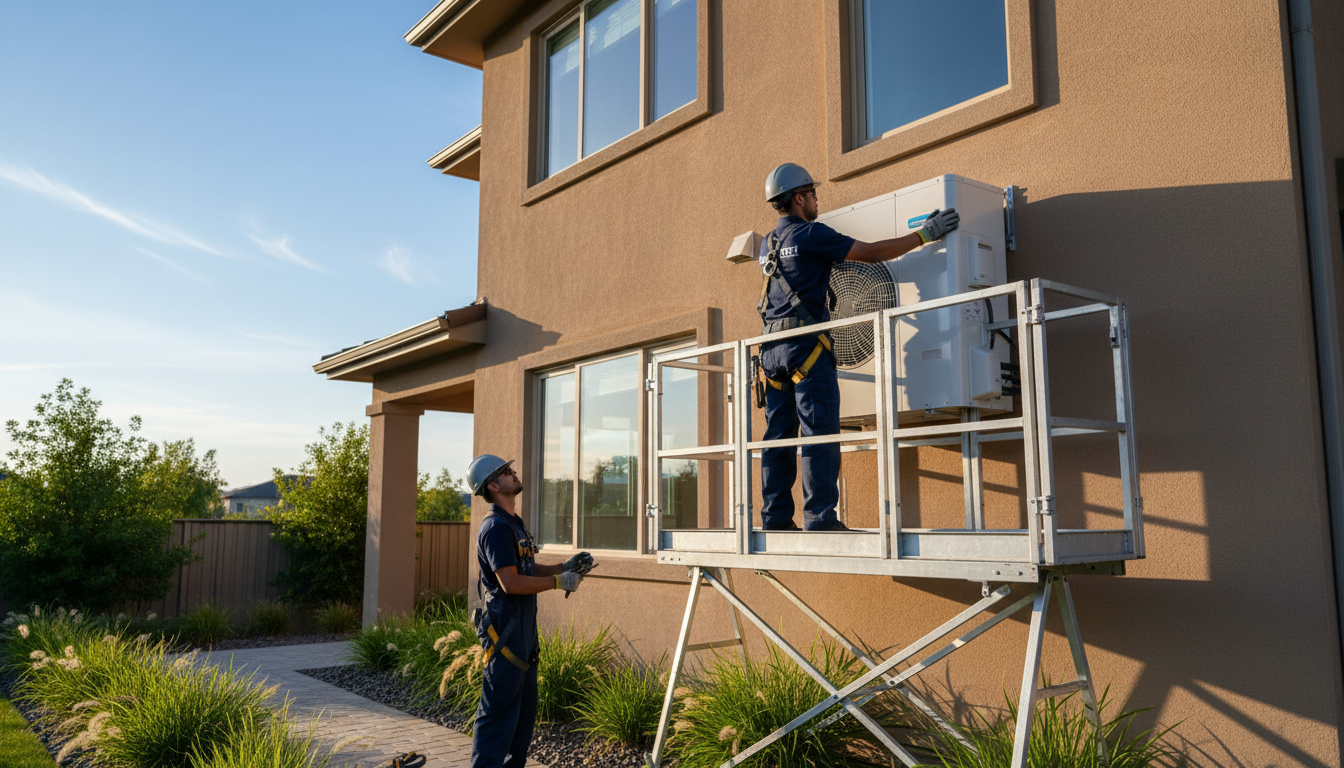
For residents in Folsom and the greater Sacramento area, the most immediate relief following the HEEHRA pause comes from local utility programs. While federal funds fluctuate based on state-wide demand, SMUD remains one of the most aggressive proponents of electrification in the country. Their current 2026 incentive structure specifically targets the conversion of gas appliances to high-efficiency electric alternatives.
SMUD currently offers a $3,000 rebate for variable-stage heat pumps that replace existing gas heating systems. This is a significant jump from the $2,000 offered for standard two-stage systems, reflecting a push toward the highest tier of performance technology. To qualify, equipment must meet a minimum 15.2 SEER2 rating. For water heating, the incentives are tiered by capacity. SMUD provides up to $2,500 for heat pump water heaters in the 65-gallon tier or larger, which is designed to help households manage peak demand without sacrificing hot water availability.
Equipment Type | SMUD Rebate Amount | Efficiency/Size Requirement |
|---|---|---|
Variable-Stage Heat Pump | $3,000 | Gas-to-electric; 15.2 SEER2 min |
Two-Stage Heat Pump | $2,000 | Gas-to-electric; 15.2 SEER2 min |
Heat Pump Water Heater | $2,500 | 65-gallon capacity tier |
Heat Pump Water Heater | $2,000 | Under 65-gallon capacity tier |
PG&E customers in the region face a different landscape, as the utility continues its broad transition toward full electrification. While PG&E rebates often shift through regional pilots, they currently focus on mid-stream incentives that reduce the cost of high-efficiency equipment at the distributor level. This often results in lower quotes from contractors for specific electric heat pump models.
The most important strategy for maximizing California energy rebates 2026 involves stacking these local funds with the federal 25C tax credit. A Folsom homeowner installing a variable-speed heat pump can combine the $3,000 SMUD rebate with the $2,000 federal tax credit, resulting in $5,000 of total financial support. This combination often offsets the price premium of high-end electric equipment entirely. To ensure your project meets the specific technical requirements for both programs, starting with a Sacramento energy evaluation provides the necessary documentation to confirm your home is ready for these California rebates and incentives.
The New 2026 Refrigerant Rules: Why Your Equipment Choice Matters
Securing California energy rebates 2026 requires more than just picking a high-efficiency model; it requires verifying the chemical components within the system. As of January 1, 2026, new regulations mandate that HVAC equipment must utilize refrigerants with a Global Warming Potential (GWP) of 700 or lower to qualify for many remaining state and utility incentives. This shift effectively ends the era of R-410A, a refrigerant with a GWP of 2,088 that was once the industry standard for residential split systems.
For Folsom homeowners, this technical detail is a potential financial minefield. Some contractors may attempt to clear out older inventory using R-410A at a discount. While these units are still functional, installing "new old stock" could disqualify you from federal 25C tax credits and specific SMUD tiered incentives that now prioritize low-GWP equipment. Modern systems typically utilize R-32 or R-454B to meet these stringent environmental and efficiency standards.
Refrigerant Type | Global Warming Potential (GWP) | 2026 Rebate Eligibility |
|---|---|---|
R-410A (Old Standard) | 2,088 | Likely Disqualified |
R-32 | 675 | Compliant |
R-454B | 466 | Compliant |
Before signing a contract, homeowners should request the AHRI (Air-Conditioning, Heating, and Refrigeration Institute) certificate for the proposed unit. This document confirms both the efficiency ratings and the refrigerant type. Confirming these specifications during a Sacramento energy evaluation ensures your investment aligns with the latest regulatory requirements, protecting your eligibility for all remaining California rebates and incentives.
TECH Clean California and Golden State Rebates: Instant Savings
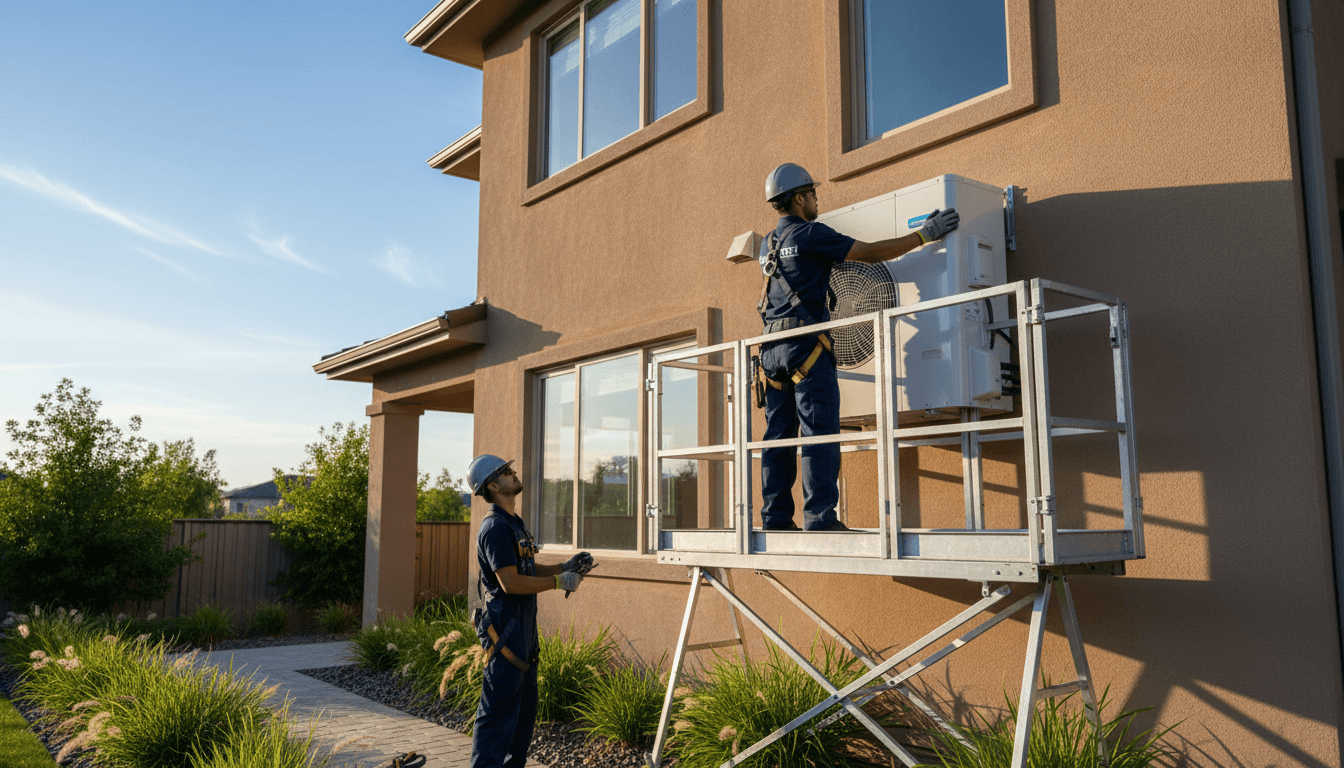
Beyond large-scale mechanical upgrades, California energy rebates 2026 include programs designed for immediate, mid-stream savings. TECH Clean California, a central pillar of "The Switch Is On" initiative, operates differently than the now-waitlisted HEEHRA funds. Instead of requiring the homeowner to wait for a post-purchase check, TECH provides incentives directly to registered contractors and distributors. When you receive a quote for a heat pump installation in Folsom, these savings are often already baked into the price. This reduces your upfront capital requirement without the administrative burden of traditional rebate applications.
For renters and small business owners, the Golden State Rebates program offers the most accessible route to efficiency. This program focuses on high-impact, smaller items through instant coupons or point-of-sale discounts. You can currently secure $40 to $75 off a smart thermostat or significant rebates on high-efficiency room air conditioners. These smaller interventions are often the most cost-effective way to lower utility bills before committing to larger retrofits. Identifying these opportunities is a key part of our audit methodology, ensuring you understand the true net cost of every potential upgrade. By layering these instant savings with a Sacramento energy evaluation, you can prioritize the low-hanging fruit that provides the fastest return on investment.
Program | Incentive Type | Typical Value | Target Equipment |
|---|---|---|---|
TECH Clean CA | Mid-stream (Contractor-led) | $1,000 - $3,000+ | Heat Pumps, HP Water Heaters |
Golden State Rebates | Instant Coupons | $40 - $75 | Smart Thermostats |
Golden State Rebates | Point-of-Sale/Rebate | Variable | Room AC, Heat Pump Clothes Dryers |
These California rebates and incentives remain robust and fully funded, providing a reliable alternative to the federal programs currently facing backlog issues.
How an AI Powered Energy Audit Protects Your Rebate Eligibility

Maximizing California energy rebates 2026 requires a shift from guesswork to precision. With HEEHRA funds currently reserved, homeowners cannot afford to misallocate their project budgets or choose equipment that fails to meet stringent efficiency thresholds. An AI powered audit provides the objective data necessary to ensure every dollar spent contributes toward a measurable efficiency gain, which is often a prerequisite for remaining state and utility funds.
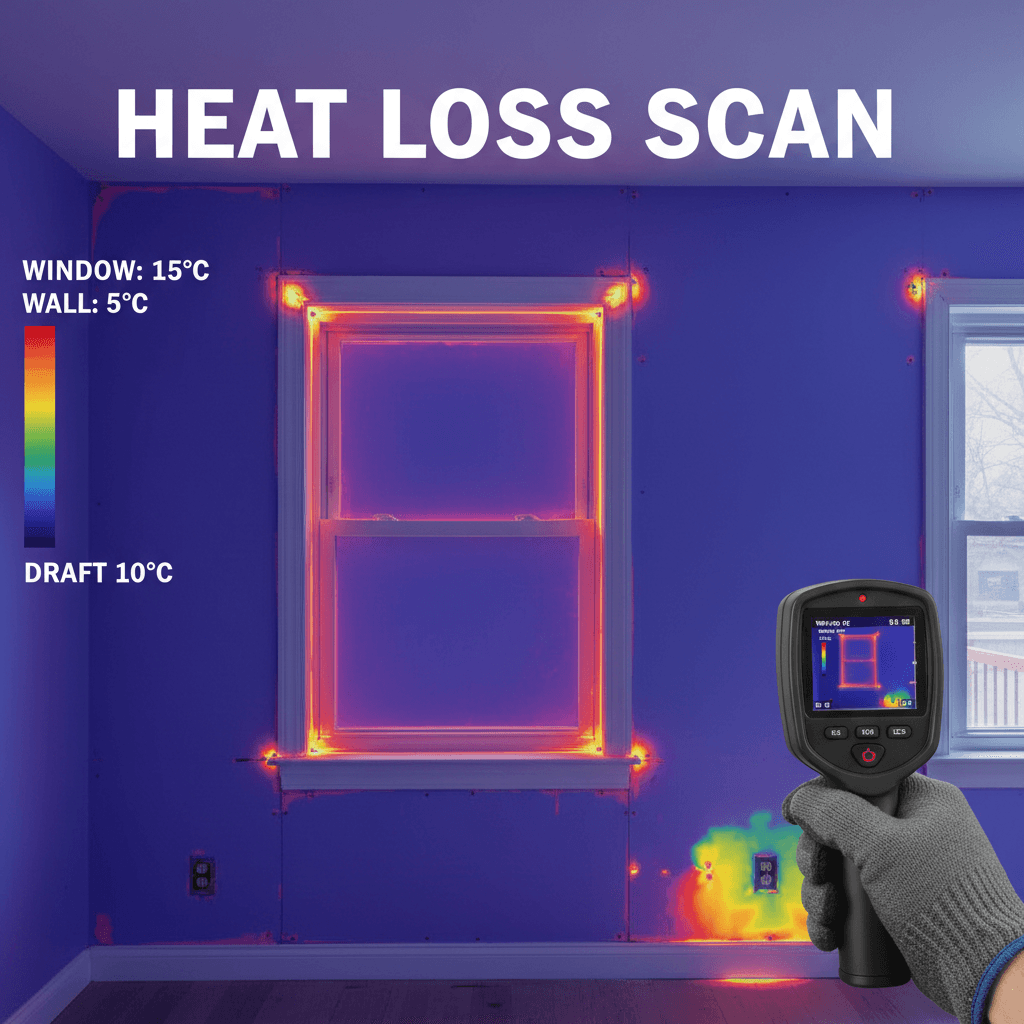
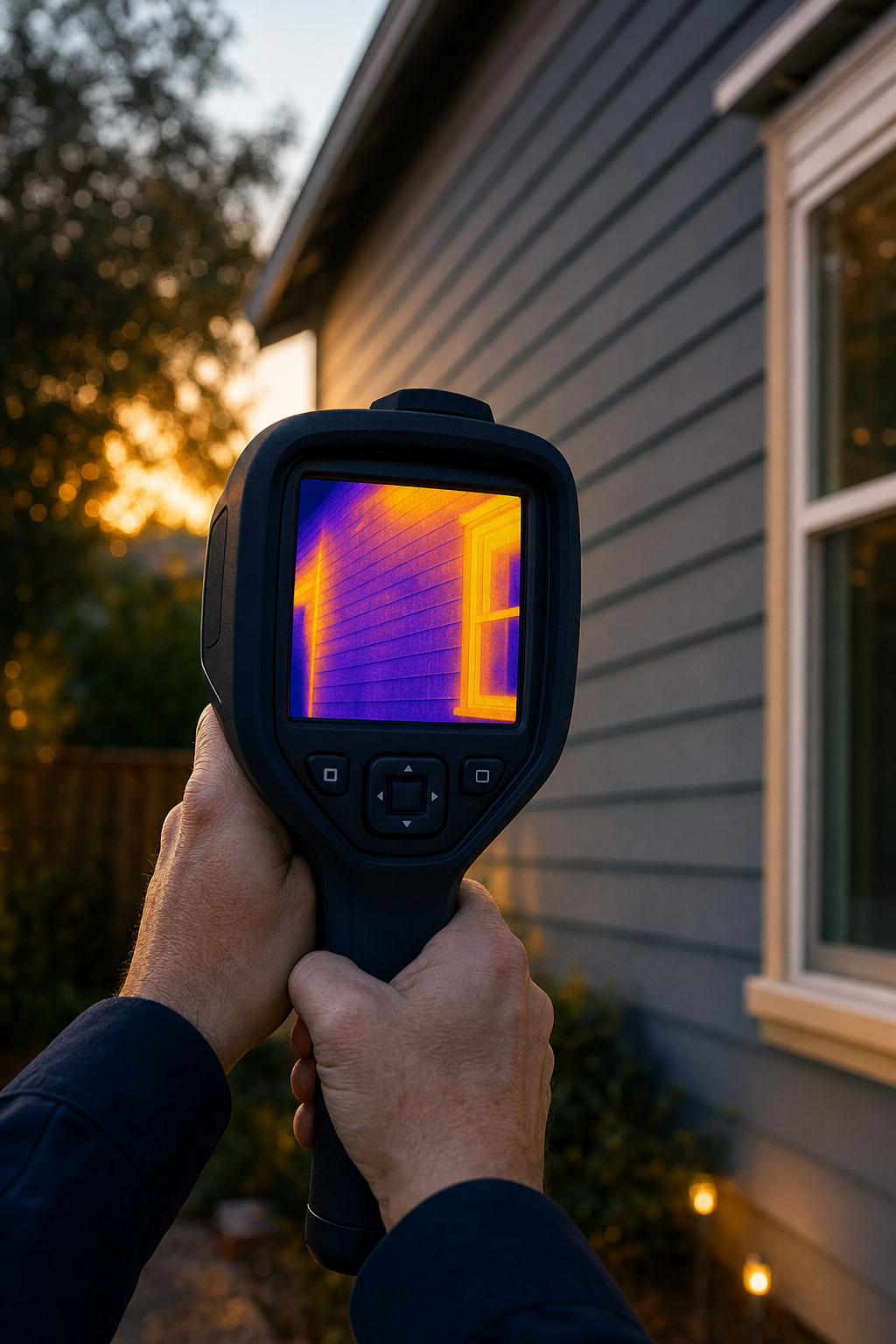
At California Home Energy Wise, our audit methodology integrates infrared thermal imaging with advanced data modeling to identify exactly where a building envelope is failing. Rather than relying on a contractor’s intuition, we use AI to analyze thermal anomalies and heat loss patterns. This often reveals that a costly equipment upgrade is unnecessary if the primary issue is air leakage or insufficient attic insulation. For instance, investing in a high-end heat pump to compensate for a leaky home is a poor use of capital that could be better spent on targeted weatherization.
Upgrade Strategy | Estimated Cost | Impact on Comfort | Rebate/Credit Potential |
|---|---|---|---|
Data-Backed Weatherization | $2,000 - $4,500 | High (Stops drafts) | 30% Federal Tax Credit |
Oversized HVAC System | $12,000 - $18,000 | Low (Short-cycling) | Varies by Efficiency |
Precision Heat Pump Retrofit | $8,000 - $14,000 | High (Steady temp) | SMUD $3,000 + Federal Credit |
Beyond prioritizing projects, a professional Sacramento energy evaluation often serves as the official documentation needed for program compliance. Many California rebates and incentives now require a Home Energy Score or a third-party performance assessment to prove that the installed measures actually improved the home’s efficiency. By establishing a verified baseline before work begins, you protect your eligibility and ensure that the final installation delivers the financial and environmental results promised by the manufacturers.
Avoiding the High Pressure Sales Trap in the 2026 Market
The current climate for California energy rebates 2026 has created a sense of urgency that some installers exploit. You may encounter sales representatives using the HEEHRA waitlist as a scare tactic to rush your signature on a contract for a new HVAC system or solar array. These high pressure environments often prioritize commission over thermal efficiency. Because California Home Energy Wise focuses exclusively on diagnostics rather than equipment sales, our findings remain entirely objective. We have no financial interest in recommending a $15,000 heat pump if a targeted air sealing project provides superior comfort for a fraction of the cost.
In Folsom and Sacramento, being truly energy wise involves securing an independent Sacramento energy evaluation before engaging with installers. Our AI-driven our audit methodology provides a prioritized roadmap based on physics, not profit margins. By obtaining an unbiased report, you gain leverage in negotiations and ensure the equipment specified actually qualifies for remaining California rebates and incentives. Data is your best defense against buyer's remorse in a volatile market.
Feature | Traditional Sales Model | Independent Audit Model |
|---|---|---|
Primary Goal | Equipment Installation | Objective Energy Insights |
Revenue Source | Hardware Sales Markup | Inspection Service Fee |
Accuracy | General Estimates | AI-Driven Thermal Imaging |
Bias | High (Incentivized to Sell) | Zero (Equipment Agnostic) |