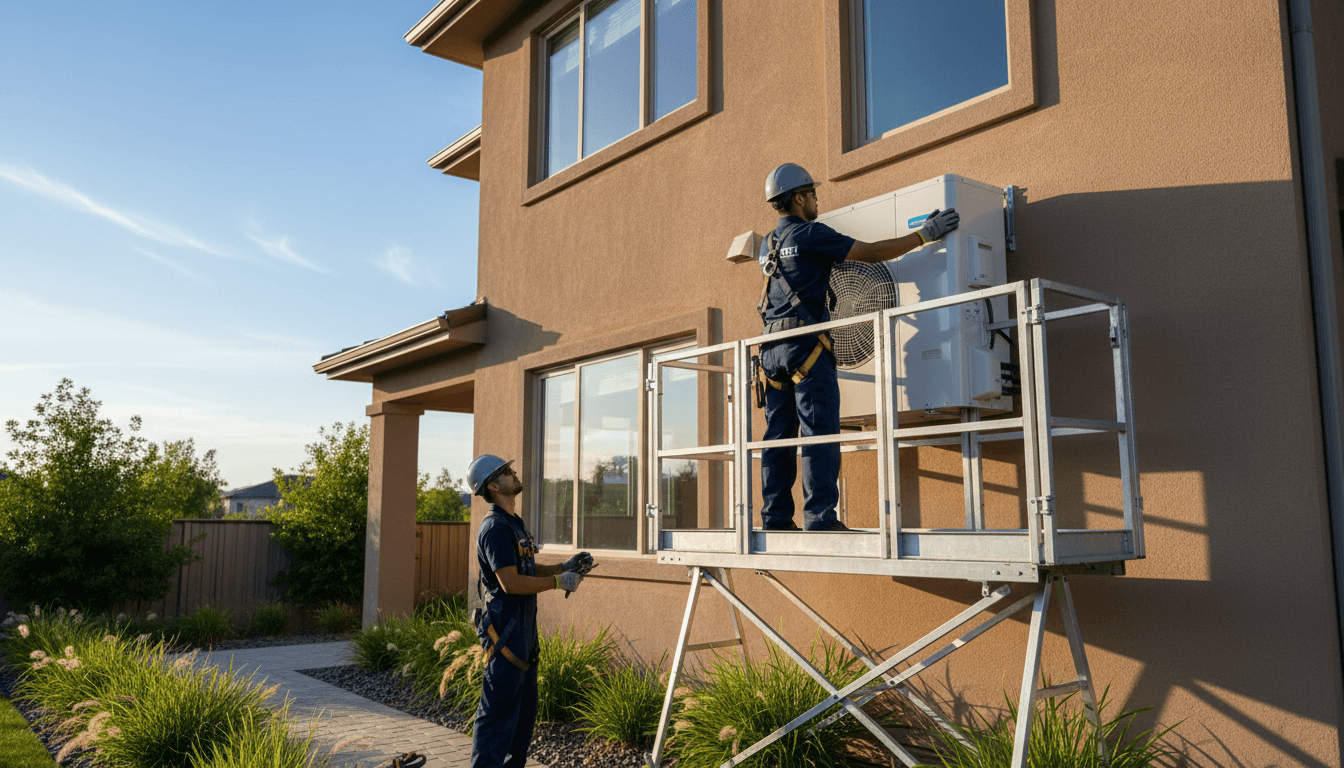
Air sealing must be completed before adding insulation to ensure that conditioned air does not bypass thermal barriers through hidden cracks and gaps. Homeowners should prioritize an air sealing vs insulation California energy audit to identify specific leakage points and establish a customized plan; this professional assessment ensures the most cost effective sequence for reducing energy bills by up to 20%.
Most California homeowners assume that adding another layer of pink fiberglass to the attic is the ultimate solution for skyrocketing utility bills. However, if your Folsom home feels drafty during a Delta breeze or remains stifling in the summer, insulation might not be the primary culprit. Without proper air sealing, your expensive insulation acts like a simple filter rather than a true thermal barrier, allowing conditioned air to escape through hidden gaps, cracks, and bypasses. This article explores the critical relationship between air sealing and insulation through the lens of a professional energy audit. You will discover how the stack effect sabotages your comfort, why the order of upgrades determines your return on investment, and how to leverage specific California rebates to offset the costs of these essential efficiency improvements.
The Core Dilemma: Is Air Sealing More Important Than Insulation?
Folsom homeowners often face a specific frustration: despite having a modern air conditioning unit, the second floor stays five to ten degrees warmer than the rest of the house during a Central Valley heatwave. The common response is to add more attic insulation, yet this often fails to solve the underlying comfort issue. This brings us to the core debate of air sealing vs insulation California energy audit professionals prioritize during a site visit.
To understand why your home feels uncomfortable, it helps to use a simple clothing analogy. Insulation is like a heavy wool sweater. It is designed to trap heat and slow its transfer through surfaces like your ceiling or walls. However, even the best wool sweater fails if a cold wind blows directly through the knit. Air sealing acts as the windbreaker, providing a solid barrier that prevents air from moving through the structure. In a typical house, these two systems must work together to create a functional thermal envelope.
Without an effective air barrier, your attic insulation can lose a significant portion of its rated R-value. Hot summer air from the attic can easily migrate through wire penetrations, plumbing stacks, and recessed light fixtures, bypassing the insulation entirely. This convective heat transfer renders even the thickest layers of fiberglass or cellulose ineffective. A data driven Folsom home energy audit clarifies which side of this equation is failing, preventing the common mistake of adding expensive materials to a house that is essentially breathing through its ceiling. By identifying these gaps first, you ensure your home can actually retain the conditioned air you are paying to cool.
The Stack Effect: How Air Leaks Sabotage Your California Home
The primary driver behind this inefficiency is the stack effect, a physical phenomenon where air moves vertically through a building. In the two-story homes common across the Sacramento Valley, your house effectively acts like a chimney. As warm air inside your living space rises, it seeks an exit through attic bypasses. These are hidden gaps around recessed light fixtures, plumbing stacks, and electrical wire penetrations in the top plates of your walls.
In Folsom, this physics-driven air movement creates a year-round cycle of energy loss. During our triple-digit summer days, expensive air-conditioned air escapes into the attic, while the resulting vacuum pulls hot, dusty air from the outdoors into your lower levels. In our cool, damp winters, the process continues as moist air is drawn in from crawlspaces while heated air leaks out the roof. This constant exchange means your HVAC system is forced to treat a volume of air that is constantly being replaced. When performing a Folsom home energy audit, we prioritize identifying these pressure points. The air sealing vs insulation California energy audit comparison highlights that air leaks provide a direct shortcut for heat transfer; until these gaps are sealed, any new insulation will simply sit on top of a leaking sieve.
Why the Order Matters: Air Seal First, Then Insulate
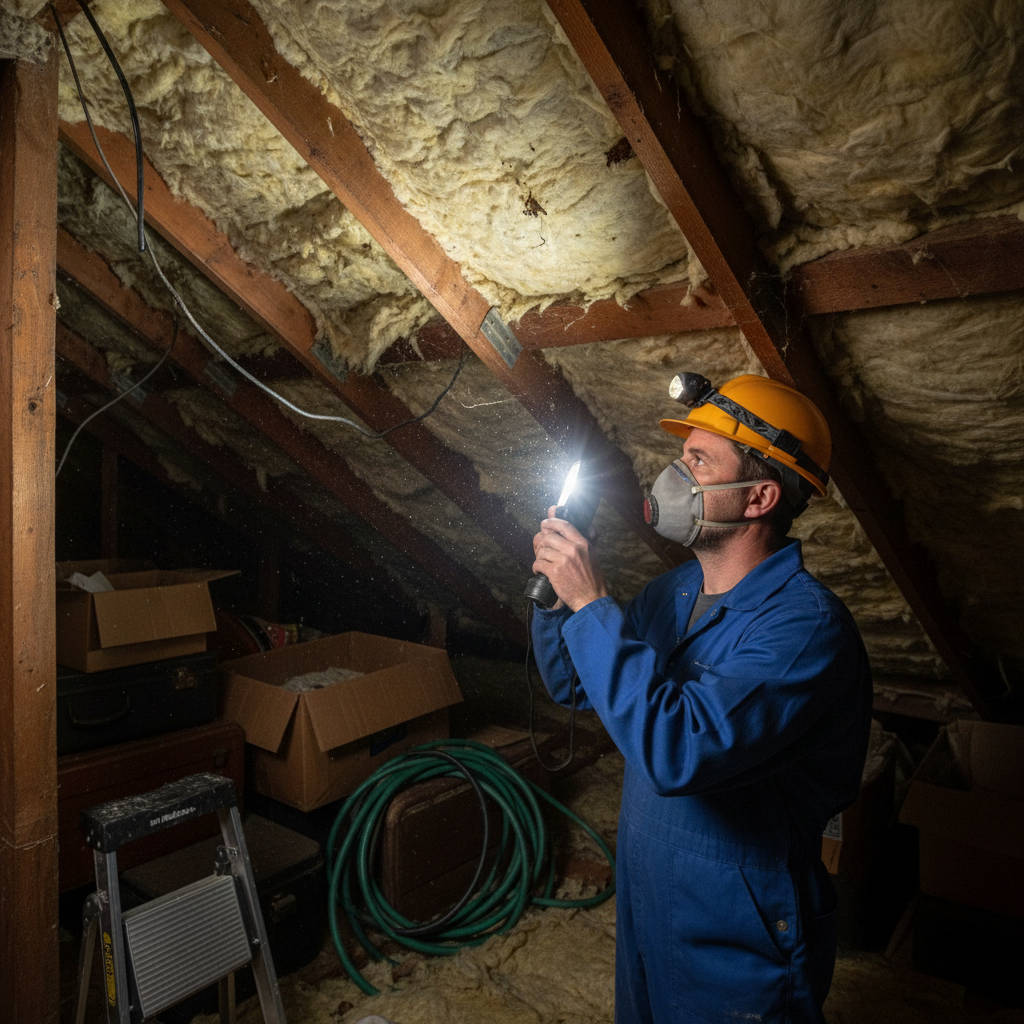
The sequence of these upgrades is non-negotiable for a high-performing home. Adding 15 inches of blown-in cellulose or fiberglass before addressing the attic floor creates a logistical nightmare. Once that material is in place, locating and sealing hidden gaps becomes nearly impossible without a costly vacuuming process to remove the new material. To avoid this unnecessary expense, homeowners must first address the thermal bypasses that allow conditioned air to escape into the attic.
In typical Folsom construction, these leaks occur at specific junction points:
Top Plates: The horizontal wood members at the top of wall frames often have gaps where they meet the ceiling drywall.
Wire Penetrations: Drilled holes for electrical cables that run from the living space into the attic.
Chimney Chases: Large open gaps around fireplace flues that act as direct conduits for air movement.
Proper sequencing also protects your home's structural health. During damp Sacramento Valley winters, warm, moist air escaping through these leaks can become trapped under new layers of insulation. When this moisture hits the cold roof deck, it condenses into liquid water, which can lead to mold growth and wood rot. By conducting a Folsom home energy audit, you can identify these critical points first, ensuring the air sealing vs insulation California energy audit debate results in a durable, moisture-free attic.
The Role of a California Energy Audit in Prioritizing Upgrades
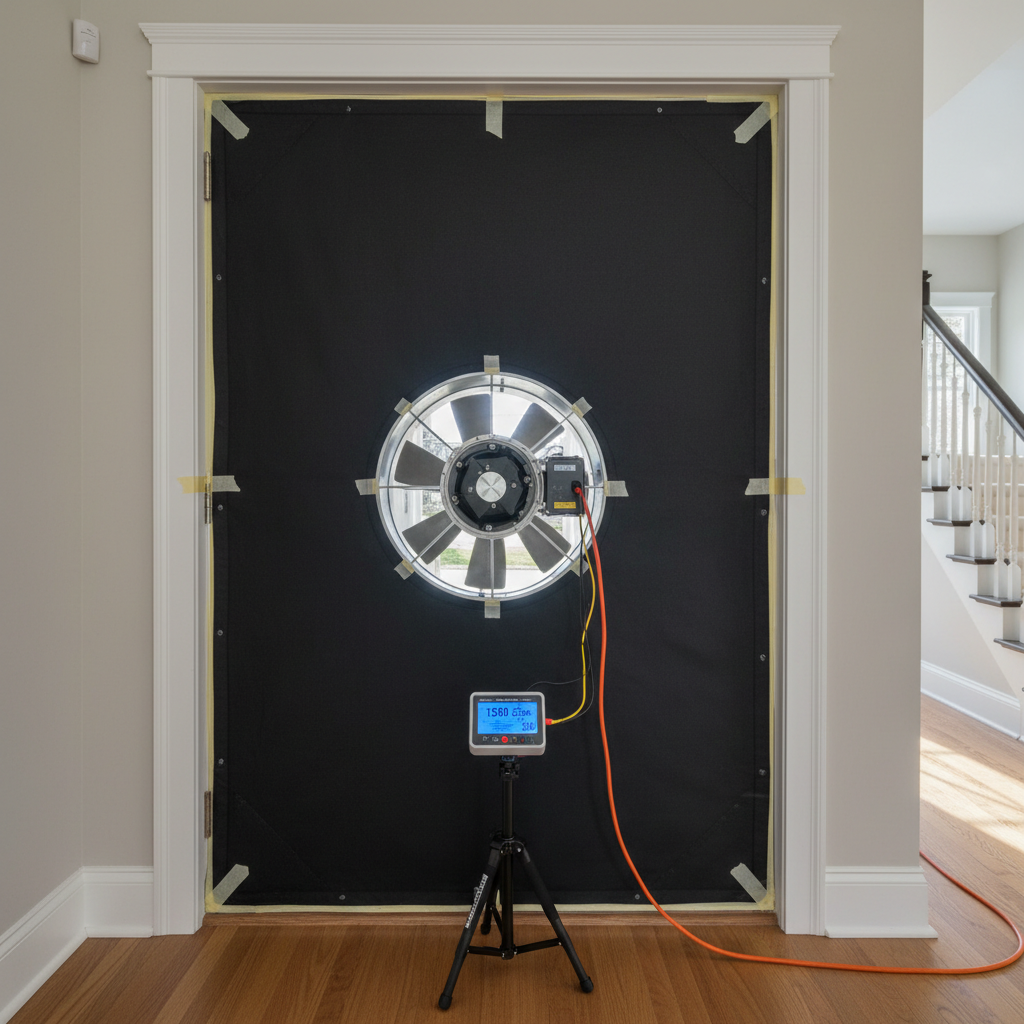
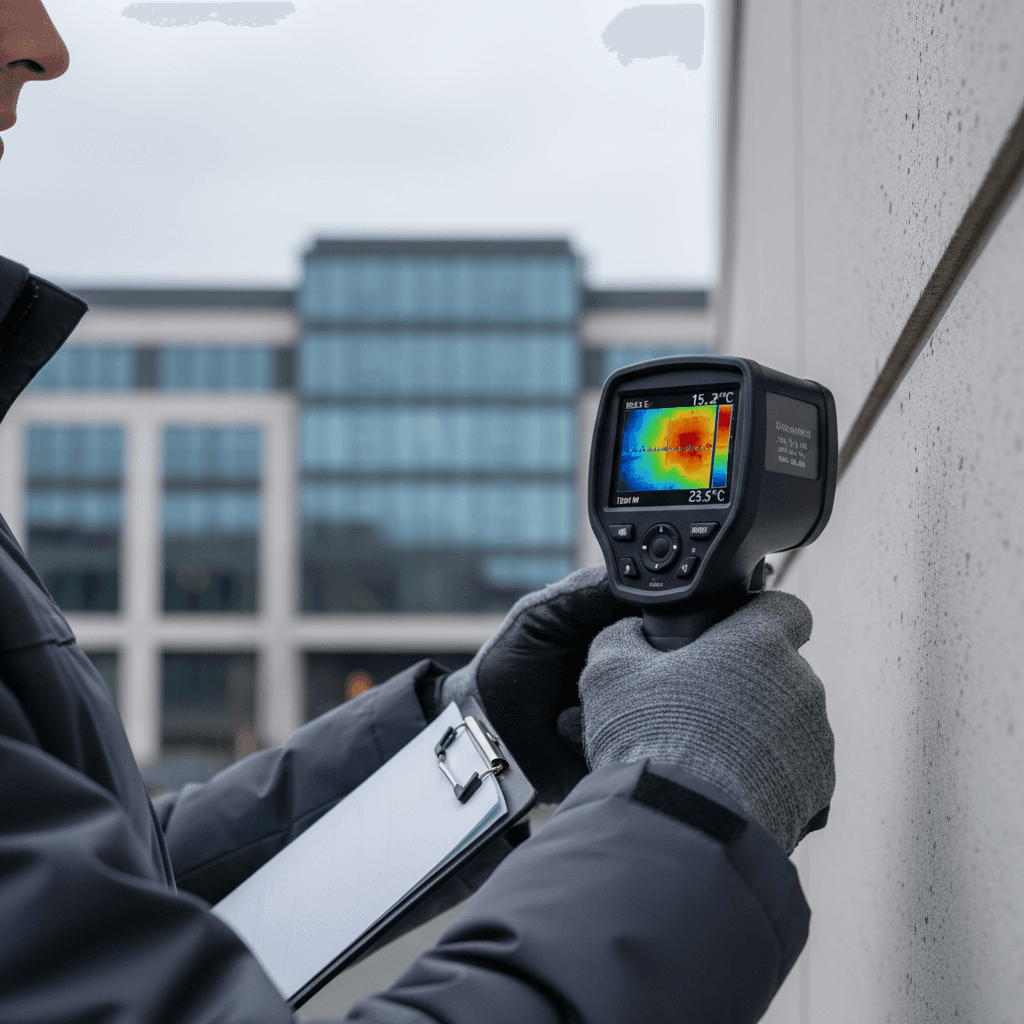
Transitioning from general construction principles to a specific plan for your home requires moving away from industry rules of thumb and toward data driven decisions. A professional Folsom home energy audit utilizes two primary diagnostic tools to remove the guesswork: the blower door test and infrared thermal imaging. These technologies work in tandem to provide a high resolution map of your home's thermal performance, ensuring that your investment in efficiency is targeted where it will yield the highest return.
The blower door test involves mounting a powerful, calibrated fan into an exterior door frame to depressurize the house. This pressure difference pulls outside air through every crack and gap in the building envelope. Rather than simply stating that a home is drafty, the audit quantifies this leakage using a metric known as CFM50, or Cubic Feet per Minute at 50 Pascals of pressure. This number represents the total volume of air escaping your home every minute. When we analyze this data alongside our AI-powered diagnostics, we can determine if your leakage rate justifies a full air sealing package or if your issues stem from localized insulation failures.
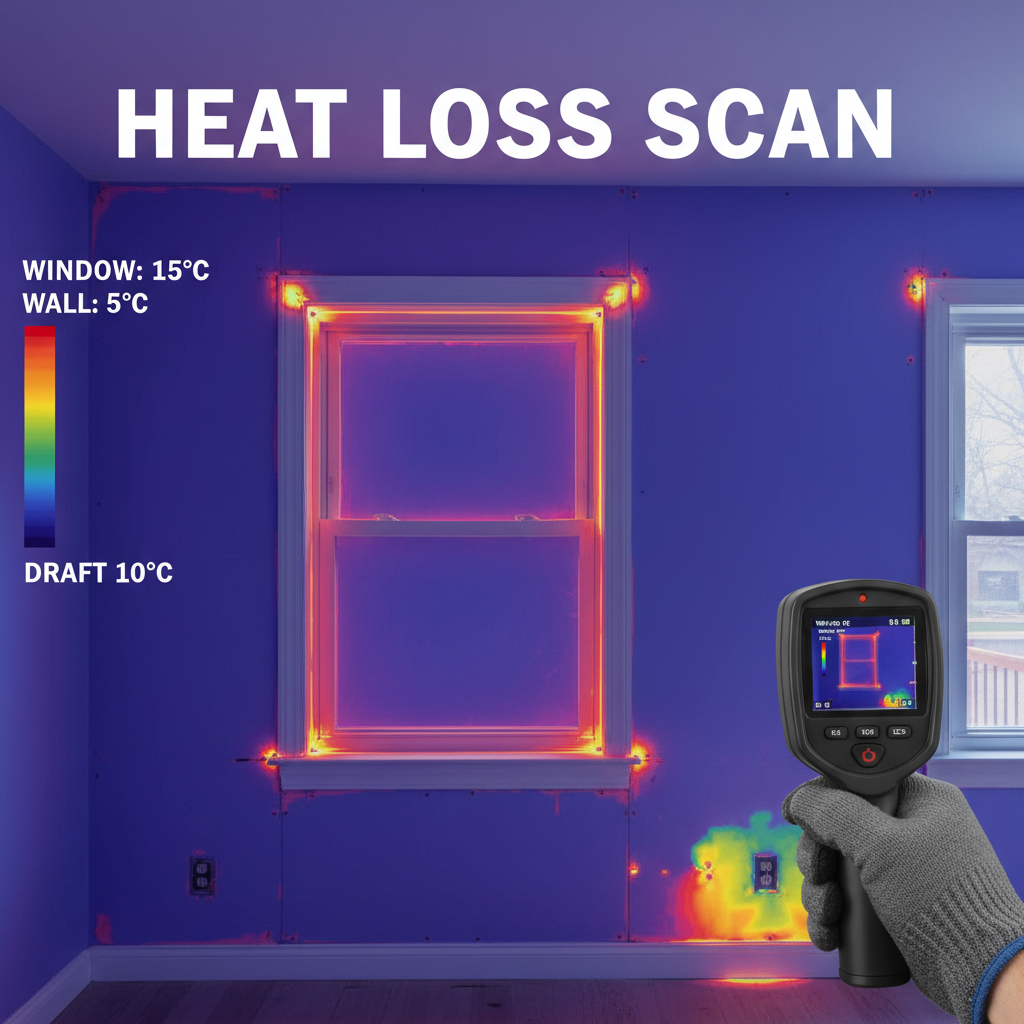
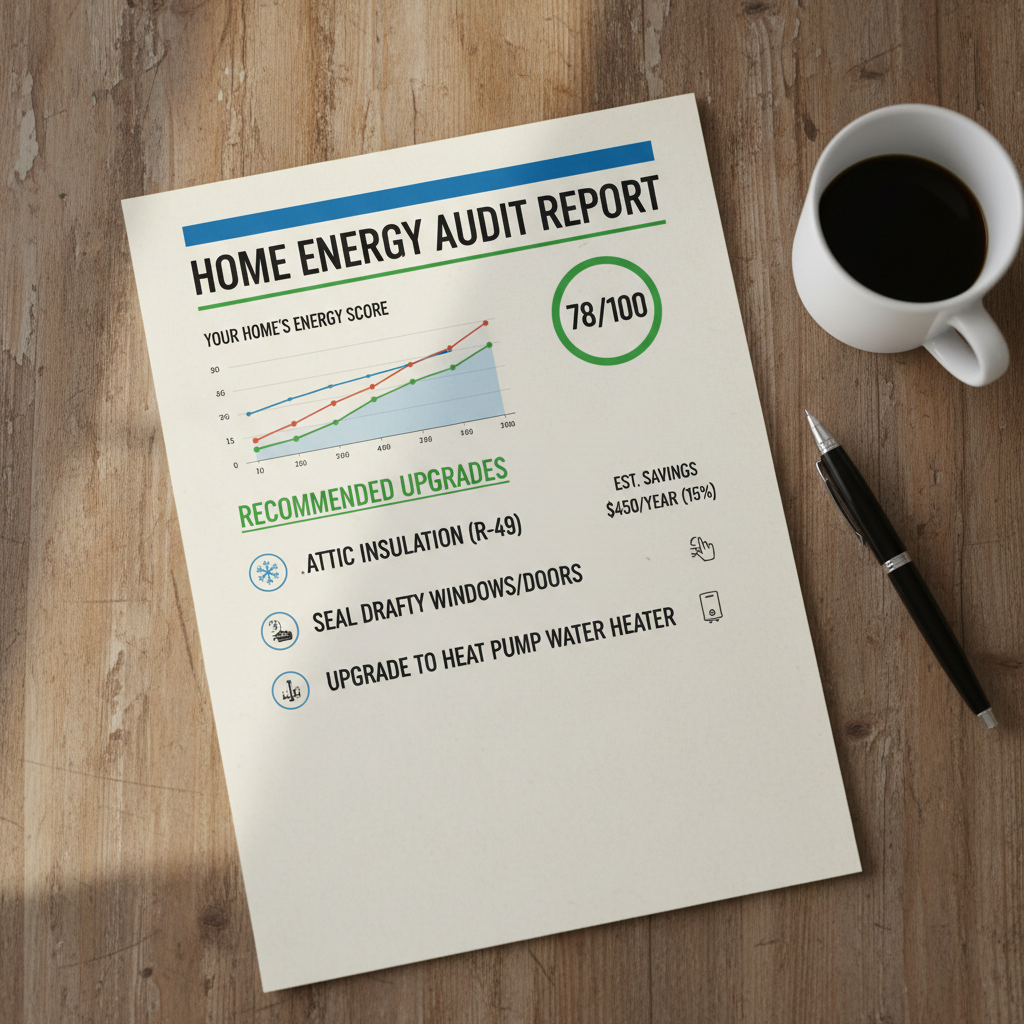
While the blower door quantifies the problem, thermal imaging visualizes it. By scanning the interior surfaces with an infrared camera while the house is under pressure, we can see the exact signature of air movement. Hot summer air leaking through a top plate appears as a distinct thermal plume on the camera, even if it is hidden behind drywall. This level of detail is a significant departure from contractor led inspections, which often rely on visual spot checks and may result in a recommendation for a full attic insulation overhaul regardless of the home's actual needs. By viewing a sample energy audit report, you can see how this objective data clarifies the air sealing vs insulation California energy audit debate, providing a clear roadmap that prioritizes performance over product sales.
ROI and Cost Comparison for Folsom Homeowners
Understanding the financial implications is the next logical step for most homeowners. Professional air sealing for a typical Folsom attic generally ranges from $350 to $1,500, depending on the complexity of the bypasses. In contrast, a full insulation retrofit often costs between $1,500 and $4,000. While insulation represents a larger upfront investment, the actual performance of that material depends entirely on the integrity of the air barrier beneath it.
Industry research indicates that homeowners can reduce their heating and cooling costs by an average of 15 percent through strategic sealing and insulation. In the Sacramento Valley, where utility rates climb alongside triple-digit summer temperatures, the return on investment occurs significantly faster than in milder coastal regions. Every kilowatt-hour saved during a July heatwave represents a direct reduction in high-tier peak billing.
An objective Folsom home energy audit ensures you do not commit a common, costly mistake: over-spending on high R-value materials for a home that is still structurally leaking air. By analyzing the air sealing vs insulation California energy audit data, you can determine if a $500 sealing project will provide more immediate comfort than a $3,000 insulation blow-in. This data-driven approach guarantees your budget is allocated to the specific deficiency of your thermal envelope rather than a generic, one-size-fits-all product package.
Navigating California Rebates and Incentives for Home Efficiency
Financing these structural upgrades becomes significantly more manageable when leveraging California rebates and incentives designed to lower the barrier for home performance improvements. Many utility funded programs in the Sacramento area require a certified Folsom home energy audit as a prerequisite for eligibility. These programs often mandate a pre-installation assessment to verify that the proposed air sealing and insulation measures will meet specific state efficiency targets before funds are dispersed.
Beyond local utility perks, federal tax credits under the Inflation Reduction Act allow homeowners to claim 30 percent of the cost of weatherization projects, currently capped at $1,200 annually for most efficiency upgrades. The professional audit report serves as the essential technical documentation required to justify these tax credits to the IRS, proving the upgrades were necessary and professionally identified. By reconciling the air sealing vs insulation California energy audit findings with available funding, homeowners can often offset a substantial portion of the project cost while ensuring their home meets the rigorous standards required for high tier financial incentives.
DIY vs Professional Air Sealing: When to Call the Experts
Determining where to apply your budget often leads to the question of labor. Homeowners can effectively tackle localized air leaks as a weekend project. With a budget of under $100, you can apply weatherstripping to exterior doors and high quality caulk to window trim to yield noticeable comfort improvements. However, structural leaks in attics and crawl spaces present significant technical and safety challenges. Professionals use specialized tools and fire rated sealants specifically designed for high heat areas, such as furnace flues and chimney chases, where standard expanding foams could pose a significant fire risk.
The most critical danger of amateur air sealing is upsetting the home's pressure balance. If a building is tightened too aggressively without expert oversight, it can cause backdrafting. This occurs when combustion gases from gas water heaters or furnaces are pulled back into the living space rather than exhausting safely through the flue. A professional Folsom home energy audit includes combustion safety diagnostics to monitor these risks throughout the process. While a sample energy audit report provides a roadmap for efficiency, the technical nuance of the air sealing vs insulation California energy audit debate ensures that your upgrades prioritize occupant safety alongside energy savings.
Deciding between air sealing and insulation depends on your home’s unique structure and current efficiency. While both are vital for comfort, an energy audit removes the guesswork by showing you exactly where to start. If you want expert help identifying the most effective upgrades for your specific situation, you can review our services to see how we can assist. Taking this professional approach ensures your home improvements provide the best return on investment while keeping your California home comfortable year-round.