A measured crawl space insulation energy audit California homeowners utilize identifies specific air leaks and moisture levels to determine if insulation or full encapsulation is the most effective fix. This data-driven approach ensures foundation repairs accurately address thermal boundaries; leading to lower utility bills and improved indoor air quality.
Many California homeowners struggle with uneven floor temperatures and rising utility costs, yet they remain uncertain whether a simple insulation refresh or a full encapsulation is the proper solution. Simply guessing can lead to expensive, ineffective upgrades that fail to address the unique moisture profiles of our Mediterranean climate. This is where a measured energy audit becomes essential. By moving beyond visual inspections, a professional assessment uses data to identify exactly how your home loses energy through the foundation. In this guide, we will explore the critical differences between crawl space treatments, the role of AI powered thermal imaging in detecting hidden leaks, and how to navigate California specific tax credits to maximize your return on investment.
The Foundation of Efficiency: Understanding the California Crawl Space
In the Folsom and Sacramento regions, residential architecture often relies on crawl space foundations. While these spaces provide access to plumbing and electrical systems, they also act as a primary intake for your home’s air. Because our local climate swings between scorching summer heat and saturating winter rains, the soil beneath your home fluctuates significantly in temperature and moisture content.
This environment drives the Stack Effect, a physical process where warm air rises and exits through the upper levels of the house. As this air escapes, it creates a vacuum that draws air upward from the crawl space. This rising air carries more than just temperature; it brings soil gases, allergens, dust, and significant humidity into your living areas. If the crawl space is compromised, the air you breathe in your living room is essentially filtered through the dirt beneath your floorboards.
Many homeowners are introduced to these concepts by contractors who present encapsulation as a universal, mandatory solution. While sealing a crawl space can be highly effective, it is not always the most cost effective or necessary choice for every property. Some homes may only require targeted air sealing or updated floor insulation to achieve thermal comfort.
At California Home Energy Wise, we function as objective auditors rather than installation contractors. Our goal is to provide objective energy audit insights based on data, not a desire to sell a specific renovation package. By performing a professional crawl space insulation energy audit in California, we identify if your home actually requires a full sealed system or if simpler, more targeted improvements will suffice.
Crawl Space Insulation versus Encapsulation: Key Differences and Goals
Homeowners often conflate these two upgrades, yet they serve distinct mechanical functions. Standard crawl space insulation focuses exclusively on the thermal boundary. By installing fiberglass batts or spray foam between the floor joists, the goal is to resist heat transfer through the subfloor. This keeps your feet warmer in the winter and prevents air conditioning from bleeding into the dirt below.
Encapsulation is a more intensive, systemic approach. It involves sealing all foundation vents, lining the ground and walls with a heavy duty vapor barrier, and often installing a dehumidifier or supply air to condition the space. Research indicates that a properly executed encapsulation can reduce humidity levels by 30 to 50 percent. This creates a semi conditioned environment that protects the home's structure from rot and significantly improves indoor air quality.
Feature | Traditional Insulation | Full Encapsulation |
|---|---|---|
Primary Goal | Thermal resistance (R-value) | Moisture and humidity control |
Material Location | Between floor joists | Ground and foundation walls |
Ventilation | Vents remain open | Vents are hermetically sealed |
Humidity Impact | Minimal | 30% to 50% reduction |
The risk lies in choosing the wrong solution for your specific site conditions. Installing new fiberglass batts over a damp dirt floor often traps moisture against the wood, leading to hidden mold growth and structural decay. Conversely, spending $15,000 on full encapsulation for a naturally dry, well drained crawl space in a Folsom neighborhood may offer a poor return on investment.
Before committing to a contractor's preferred package, a crawl space insulation energy audit in California provides the diagnostic data needed to choose. By reviewing a sample energy audit report, you can see how we differentiate between a simple need for better R-value and a critical need for moisture mitigation. Relying on objective energy audit insights ensures your budget is spent on the actual source of your home's inefficiency.
Why a Measured Energy Audit is the Only Way to Avoid Unnecessary Upgrades
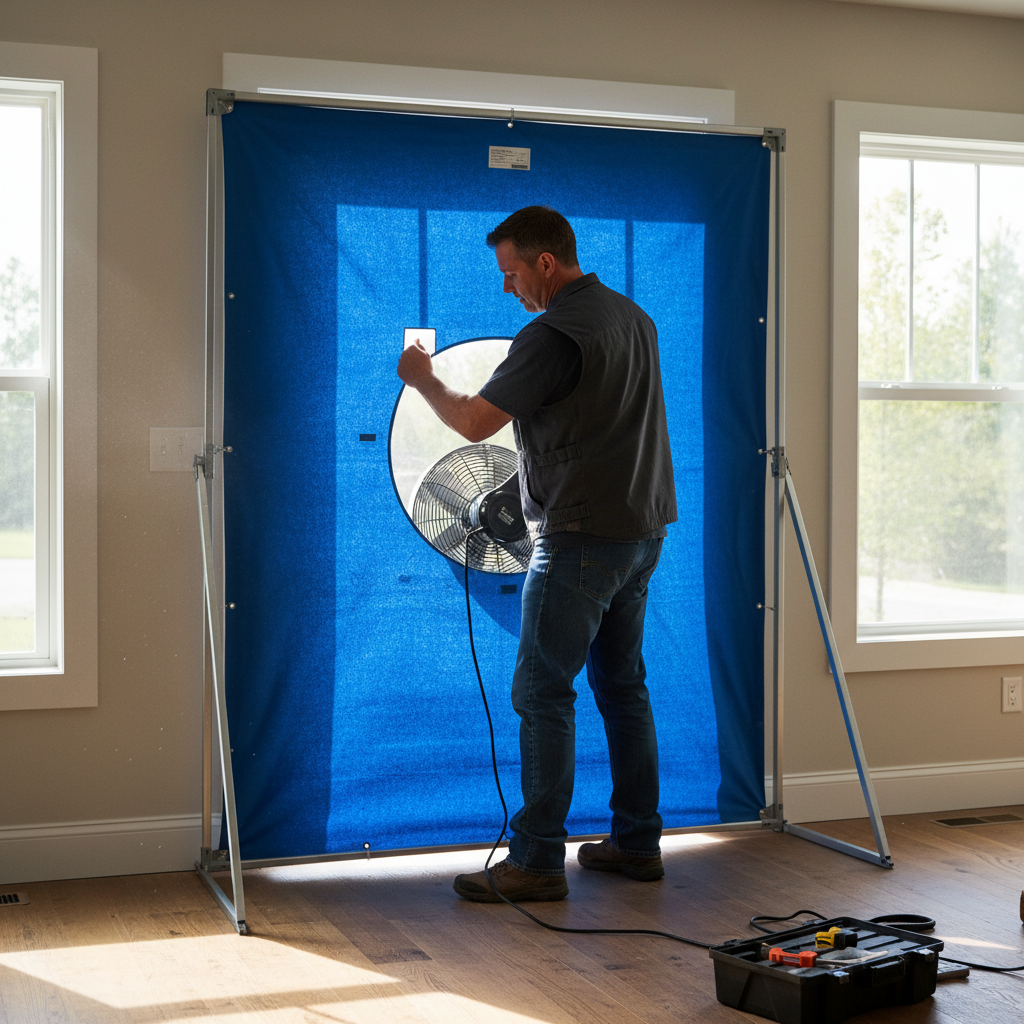
Relying on objective energy audit insights ensures your budget is spent on the actual source of your home's inefficiency rather than a contractor's sales quota. A visual inspection, while helpful, cannot quantify how much air is actually migrating through your subfloor. At California Home Energy Wise, we utilize blower door testing to measure precise air exchange rates. By depressurizing the home, we can pinpoint exactly how many cubic feet of air per minute are being drawn from the crawl space into the living areas. When paired with our AI powered diagnostic tools, this data reveals whether your home is losing energy through floorboard gaps or if the thermal boundary is functioning correctly.
Many foundation companies offer free inspections, but these often serve as a funnel for high pressure sales tactics. A contractor who only sells encapsulation will almost always find a reason to recommend it. In contrast, a crawl space insulation energy audit in California provides a neutral, data driven baseline. We measure relative humidity over time and identify specific moisture entry points rather than recommending a blanket $15,000 fix without evidence.
For those seeking Folsom home energy audit services, this level of precision is essential. It allows you to prioritize upgrades that move the needle on your utility bills. You might find that your crawl space is relatively airtight but requires better R-value insulation, or you may discover that air sealing is a higher priority than replacing the insulation itself. You can see how these data points are presented by viewing a sample energy audit report to understand the difference between a sales pitch and a scientific assessment.
Thermal Imaging: Seeing Through the Floorboards with AI Powered Precision
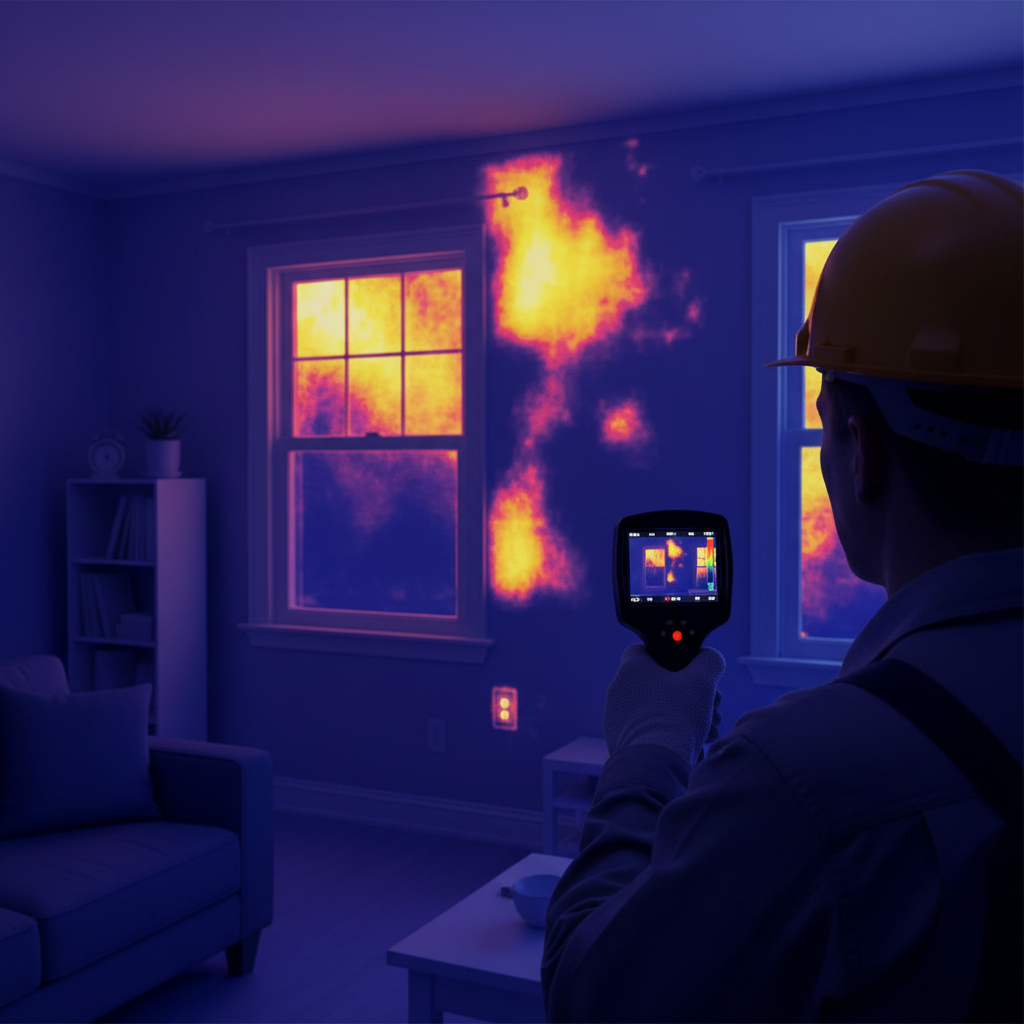
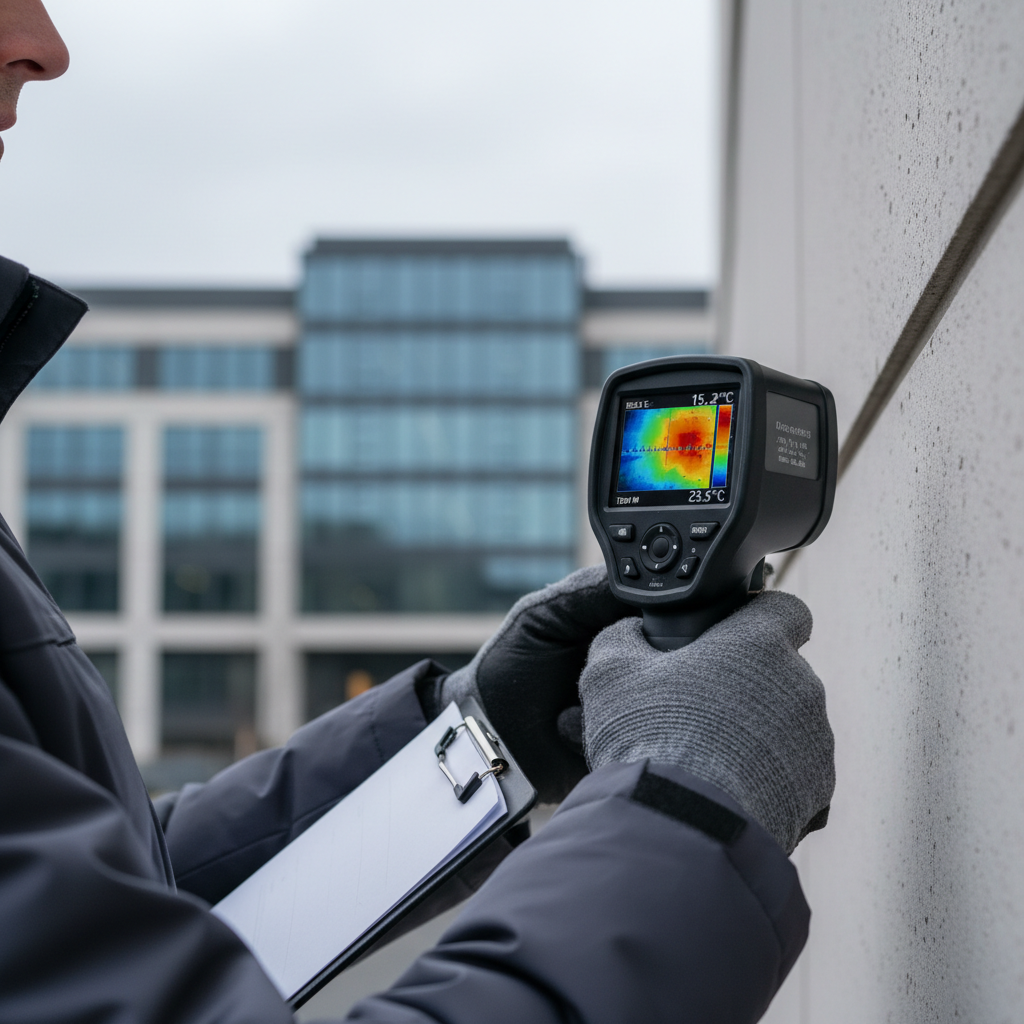
While a visual check can spot a hanging batt of insulation, it cannot detect the thermal bypasses occurring behind floor joists or within wall cavities. Our Folsom home energy audit services utilize high resolution infrared cameras to visualize heat transfer in real time. This technology effectively transforms the subfloor into a transparent map of energy loss. AI algorithms then analyze these thermal images to differentiate between standard heat dissipation and problematic anomalies like disconnected ductwork dumping conditioned air into the dirt.
In Sacramento County, homeowners frequently complain about icy floors during the winter months. Often, the culprit is thermal bridging, where the heavy concrete foundation acts as a heat sink, drawing warmth directly out of the wooden subfloor and into the exterior environment. Infrared imaging clearly identifies these cold spots, allowing us to pinpoint exactly where the thermal boundary has failed.
Furthermore, AI assisted thermography detects hidden moisture pockets that a flashlight would miss. These areas appear as distinct temperature variances, indicating water saturation that might be invisible to the naked eye but could eventually lead to structural rot. By incorporating these findings into a crawl space insulation energy audit in California, we provide a level of detail that traditional inspections lack. You can see examples of these heat maps in a sample energy audit report, which illustrates how we use objective energy audit insights to locate problems before they require expensive remediation.
Calculating Potential Energy Savings from Crawl Space Improvements
Translating thermal anomalies into tangible financial data is the next step in the auditing process. The Environmental Protection Agency (EPA) estimates that homeowners can save an average of 15 percent on heating and cooling costs by air sealing and insulating floors over unconditioned spaces. In the Sacramento region, where HVAC systems work overtime during triple digit summers, these figures represent a significant reduction in monthly overhead.
For a Folsom property with an annual energy expenditure of $2,500, a 10 to 15 percent reduction results in $250 to $500 in annual savings. While full encapsulation can potentially reduce bills by up to 20 percent by stabilizing the temperature beneath the subfloor, the true ROI depends on the specific leakage profile of the building. A crawl space insulation energy audit in California identifies where your home sits on this spectrum before you commit to a major project.
Improvement Type | Estimated Savings Range | Typical Annual Dollar Savings* |
|---|---|---|
Targeted Air Sealing & Insulation | 10% to 15% | $250 to $375 |
Full Crawl Space Encapsulation | 15% to 20% | $375 to $500 |
Based on a $2,500 annual energy bill. |
Spending $15,000 on encapsulation for a $500 annual return results in a 30 year payback period; this might not be the most efficient use of your budget if your Folsom home energy audit services reveal that the attic or windows are the primary source of air loss. By utilizing objective energy audit insights, you can compare these projected savings against the actual repair costs. Your sample energy audit report will detail these calculations, ensuring your investment is directed toward the most impactful upgrades.
Navigating California Energy Tax Credits and Rebates for Crawl Space Projects
Maximizing your return on investment involves leveraging federal and local incentives that offset installation costs. The federal Energy Efficient Home Improvement Credit (25C) allows homeowners to claim 30 percent of the cost for weatherization, including crawl space air sealing and insulation, up to a $1,200 annual limit. For residents in the Folsom and Sacramento areas, local utilities like SMUD and PG&E provide additional rebates for projects that meet specific thermal performance standards and R-value upgrades.
Qualifying for these programs often requires more than just a contractor's receipt. Many incentives necessitate professional documentation or a Department of Energy Home Energy Score (HES) to prove the improvements were necessary and performed to standard. By utilizing Folsom home energy audit services, you receive the precise technical data and objective energy audit insights required to validate these claims. Our sample energy audit report demonstrates how we document existing conditions and recommended upgrades, providing a clear paper trail for tax filings. A professional crawl space insulation energy audit in California ensures you do not leave money on the table due to insufficient documentation.
Warning Signs: When You Should Stop Guessing and Book an Audit

Identifying the exact moment to move from observation to action prevents minor inefficiencies from becoming structural liabilities. Many homeowners in the Sacramento Valley wait until a pipe freezes or mold appears, but subtle performance indicators usually manifest much earlier. If your home exhibits the following symptoms, it is time to stop guessing and secure a data driven assessment:
Floors that feel uncomfortably cold to the touch during winter, despite the heater running.
Persistent musty or earthy odors localized in the lower levels of the home.
Indoor relative humidity levels consistently hovering above 60 percent.
Fiberglass insulation batts that are sagging, water-stained, or falling onto the crawl space floor.
Unexplained, incremental increases in monthly utility bills that outpace rate hikes.
Jumping straight to a remediation contractor often leads to over-spending on exhaustive packages that your home may not actually require. A crawl space insulation energy audit in California provides a neutral roadmap, separating actual needs from sales quotas. Our Folsom home energy audit services utilize blower door testing and infrared diagnostics to confirm if a specific issue exists. By reviewing a sample energy audit report, you can see how objective energy audit insights provide the technical evidence needed to make an informed investment rather than a reactive one.
Deciding between crawl space insulation and encapsulation depends entirely on the data from a professional energy audit. By identifying the root cause of moisture or temperature issues first, you ensure that your investment actually improves your home comfort and efficiency. If you want expert help navigating these technical choices, our team provides a variety of professional Services to guide you. We are here to help you find the most effective and data driven solution for your unique living space.


