Starting January 1, 2026, new California Home Energy Score requirements 2026 will mandate that sellers in certain jurisdictions provide a 1-10 efficiency rating and energy improvement recommendations before listing their property. This regulatory update transitions HERS testing to Energy Code Compliance (ECC) standards; it aims to provide transparency regarding a home's utility costs and overall energy performance.
Navigating California’s ever evolving real estate landscape often feels like aiming at a moving target, especially as new energy transparency mandates approach in 2026. For homeowners and industry professionals, the looming requirement for standardized Home Energy Scores introduces a layer of complexity that can complicate listings and stall negotiations. Understanding these shifts is no longer optional; it is a critical component of maintaining property value and ensuring regulatory compliance. In this guide, we will examine the transition from HERS to the Energy Commission Certified label, explain how the 1 to 10 scale impacts your bottom line, and provide a clear roadmap for Folsom residents to prepare. You will learn how these mandatory disclosures function as both a hurdle for the unprepared and a powerful tool for savvy sellers to highlight efficiency and drive long term resale value.
The 2026 Shift: Why California is Standardizing Home Energy Transparency
California is entering a new era of residential transparency. Starting January 1, 2026, the implementation of the 2025 Building Energy Efficiency Standards will fundamentally change how property is valued in the Sacramento Valley. The state is moving toward a real estate market where a home’s energy performance is as visible and essential to a listing as its square footage or the number of bedrooms. This shift ensures that buyers no longer have to guess about the efficiency of their prospective investment.
It is important to distinguish between the technical compliance of Title 24 updates and the consumer-facing Home Energy Score. While Title 24 focuses on strict engineering codes for new construction and major renovations, the Home Energy Score provides a standardized, easy to understand metric for existing homes. Understanding the California Home Energy Score requirements 2026 is becoming vital for anyone looking to buy or sell in the near future.
At California Home Energy Wise, we are preparing Folsom residents for these changes. By utilizing AI-driven insights and experienced inspectors, we provide objective data without the high-pressure sales tactics often found in product-focused services. Our goal is to ensure a Folsom home energy audit provides the clarity needed to meet upcoming standards while identifying clear paths to an increase in resale value.
From HERS to ECC: Understanding the 2026 Name Change
The shift toward standardized transparency includes a significant update to industry terminology. Beginning in 2026, the Home Energy Rating System (HERS) testing that many builders and contractors currently use will transition to the Energy Code Compliance (ECC) framework. While the acronym is changing, the underlying objective remains the same; the state is ensuring every residential structure in the Sacramento Valley meets rigorous benchmarks for insulation, duct sealing, and mechanical efficiency.
For new construction in Folsom, ECC protocols will continue to serve as the final gatekeeper before a certificate of occupancy is issued. However, for owners of existing homes, the distinction becomes critical during major renovations. If you are adding a guest suite or replacing a central HVAC system, your project will likely trigger these compliance checks. Understanding how the California Home Energy Score requirements 2026 intersect with these ECC standards is essential for avoiding project delays or unexpected retrofitting costs.
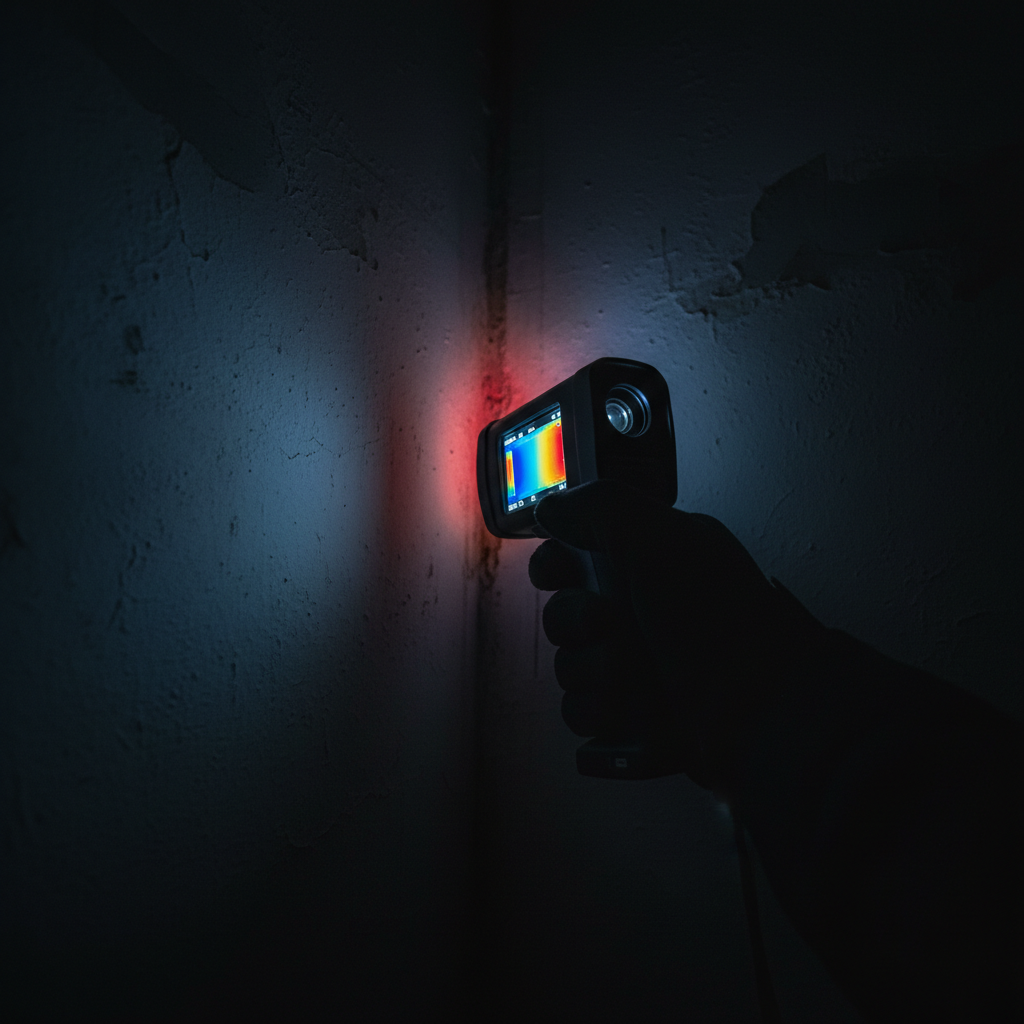
Traditional inspections often rely on manual measurements and basic visual checks that can overlook systemic issues. At California Home Energy Wise, we move beyond basic pass or fail metrics. By integrating AI-powered diagnostics and thermal imaging into a Folsom home energy audit, we provide a level of precision that traditional testing protocols typically do not offer. This advanced approach identifies exactly where energy is escaping, allowing homeowners to make targeted improvements that satisfy ECC mandates while securing a measurable increase in resale value. Moving from HERS to ECC is not just a clerical change; it represents a more data-driven approach to how we build and maintain our local housing stock.
What is the Home Energy Score and How Does the 1 to 10 Scale Work?

The Home Energy Score (HES) acts as a Miles Per Gallon rating for residential property. Developed by the U.S. Department of Energy and adopted by California’s transparency programs, this metric provides a standardized way to compare the energy performance of different houses. Unlike utility bills, which fluctuate based on how many people live in a home or what temperature they prefer, the HES focuses solely on the physical assets of the building itself, such as insulation levels, window efficiency, and HVAC systems.
The scale ranges from 1 to 10. A score of 10 indicates a highly efficient home that likely uses minimal energy to maintain comfort. A score of 1 signals that the home has significant room for improvement and will likely have much higher operating costs. When homeowners ask what constitutes a good score, the answer depends on the context. The average home in the United States scores a 5. In our region, scores often vary based on the decade the home was built and local climate demands.
Understanding how your property fits into the California Home Energy Score requirements 2026 is the first step toward optimization. By scheduling a Folsom home energy audit, you get a clear baseline. If your score is lower than expected, the resulting report provides a roadmap of specific upgrades to help you achieve an increase in resale value before these scores become a standard fixture in real estate listings.
Mandatory Disclosures: Lessons from Berkeley BESO and the Davis Pilot
Berkeley’s Building Emissions Saving Ordinance (BESO) serves as a bellwether for what homeowners in Folsom should expect as the California Home Energy Score requirements 2026 roll out statewide. In Berkeley, the transition is already definitive. Starting January 2026, sellers are required to obtain a Home Energy Score before listing their property. Failure to comply does not just stall the sale; it requires a $2,500 deposit into escrow to ensure future compliance or results in a $500 fine. This ordinance moves energy efficiency from a voluntary perk to a mandatory disclosure, making it as foundational to a real estate transaction as a natural hazard report.
The proximity of these changes to the Sacramento Valley is evident in the recent Free Home Energy Score pilots launched in Davis and throughout Yolo County. These programs are clear signals that regional governments are preparing to adopt similar transparency standards. For homeowners in Folsom, these pilots indicate that mandatory disclosure is moving closer to our local market. Waiting for a mandate to take effect often leads to rushed, expensive upgrades during a stressful sales process.
By scheduling a Folsom home energy audit now, you can identify the most cost-effective improvements while the market is still in a voluntary phase. Proactive documentation allows you to leverage local energy rebates and incentives to fund upgrades today, rather than being forced to pay for them out of pocket to satisfy a closing requirement later. Taking these steps early ensures you are positioned for a significant increase in resale value when the transparency standards of 2026 become the local norm.
For Sellers: Driving Resale Value with Energy Efficiency Documentation

For homeowners preparing to list, documenting efficiency is no longer just about compliance; it is a strategic investment in equity. Research published in the Appraisal Journal suggests that for every $1 reduction in annual energy bills, a home's value can increase by $10 or more. In the context of the Sacramento Valley’s climate, where cooling costs dominate, these savings translate directly into a measurable increase in resale value.
The financial benefits are particularly pronounced in our state. Studies of the California real estate market have identified a 2.1% to 2.19% price premium for "green labeled" homes compared to non-certified properties. By satisfying the California Home Energy Score requirements 2026 ahead of schedule, sellers provide tangible proof of a building's performance that goes beyond simple cosmetic upgrades.
Including a certified score in an MLS listing reduces buyer friction by removing the uncertainty of future utility overhead. In a competitive market like Folsom, where buyers are increasingly wary of hidden operational costs, this transparency justifies a higher asking price. A Folsom home energy audit provides the objective, AI-supported documentation needed to prove that a home is an asset, not a liability, when it comes to long term energy consumption. Providing this data upfront positions a property as a premium, low-maintenance option for savvy buyers.
For Buyers: Using the Home Energy Score to Predict Total Cost of Ownership

Prospective buyers in 2026 will no longer need to rely on anecdotal evidence or a seller’s word regarding monthly overhead. The Home Energy Score provides a data-driven estimate of a property’s operational appetite. For many, a mortgage is only the first part of the monthly equation; the second is the utility bill. By reviewing the 1 to 10 scale before making an offer, buyers can accurately forecast the total cost of ownership.
A significant risk in the Folsom real estate market involves older homes that have undergone cosmetic renovations. These properties may look contemporary but often hide original, inefficient HVAC systems or degraded wall insulation. A standard home inspection typically focuses on safety and function, often overlooking the thermal performance of the building envelope. Utilizing AI thermal imaging during a Folsom home energy audit allows us to see through surfaces and identify invisible defects. This technology catches "lemon" homes that would otherwise result in soaring electric bills during a Central Valley summer.
Understanding how a property measures against the California Home Energy Score requirements 2026 allows buyers to factor in necessary upgrades before closing. This transparency ensures that any increase in resale value claimed by the seller is supported by technical reality, while highlighting opportunities to utilize local energy rebates and incentives for future improvements.
Preparation Checklist for Folsom Homeowners Ahead of 2026
Homeowners in the Sacramento Valley can avoid the stress of last-minute retrofitting by taking structured steps today. Proactive preparation ensures that you are not forced into expensive repairs when the California Home Energy Score requirements 2026 begin influencing local listings.
First, schedule a Folsom home energy audit to establish a baseline. This initial assessment often reveals low-cost fixes, such as air sealing or duct repair, that immediately lower utility bills. Second, review the Priority Actions list in your AI-driven report to focus on upgrades with the highest return on investment.
Third, explore local energy rebates and incentives to offset capital costs. Programs from utility providers and state initiatives can fund major systems like heat pumps or high-efficiency water heaters. Finally, keep all documentation for future Energy Code Compliance (ECC) verification. Maintaining these records is vital to justify an increase in resale value. Starting now allows you to spread out improvement costs over several months and improve your home’s performance before market shifts occur.
As we approach the 2026 deadlines, understanding your property's energy performance becomes essential for a smooth real estate transaction. Whether you are preparing to sell or looking to buy, being informed about efficiency standards will help you make better financial decisions. If you want expert help navigating these requirements, scheduling a Folsom Energy Audit is a practical way to assess your current standing. Our team is here to provide the insights you need to ensure your home meets modern energy expectations.


