To successfully prepare for home energy audit California checklist items, homeowners should compile a year of utility bills and a list of specific problem areas such as drafty rooms or moisture issues. Additionally, ensure the auditor has unobstructed access to the attic, crawlspace, and heating equipment to facilitate a thorough inspection and blower door test.
High utility rates and unpredictable weather patterns make energy efficiency a necessity for California homeowners. You likely feel the financial impact of drafty windows or aging insulation, but without a professional diagnostic, you are essentially guessing where your money is going. A home energy audit offers the clarity you need to make smart upgrades; however, your preparation determines the depth and accuracy of the findings. If an auditor encounters blocked crawlspaces or missing utility data, the final report will lack the precision required for maximum rebates. This guide outlines exactly how to prepare for your assessment. We cover everything from gathering your energy history and clearing physical access for diagnostics. You will also learn the vital questions to ask your auditor to ensure you walk away with a clear roadmap for efficiency.
Why Proper Preparation Leads to Better Energy Savings
An energy audit is a diagnostic roadmap, but the accuracy of that map depends entirely on the data and physical access provided. For residents in Folsom and the broader Sacramento region, understanding the value of a home energy audit is the critical first step in combating the consistent rise of PG&E and SMUD utility rates. When you prepare properly, you ensure that the inspector’s time is spent on high-level analysis rather than basic logistics.
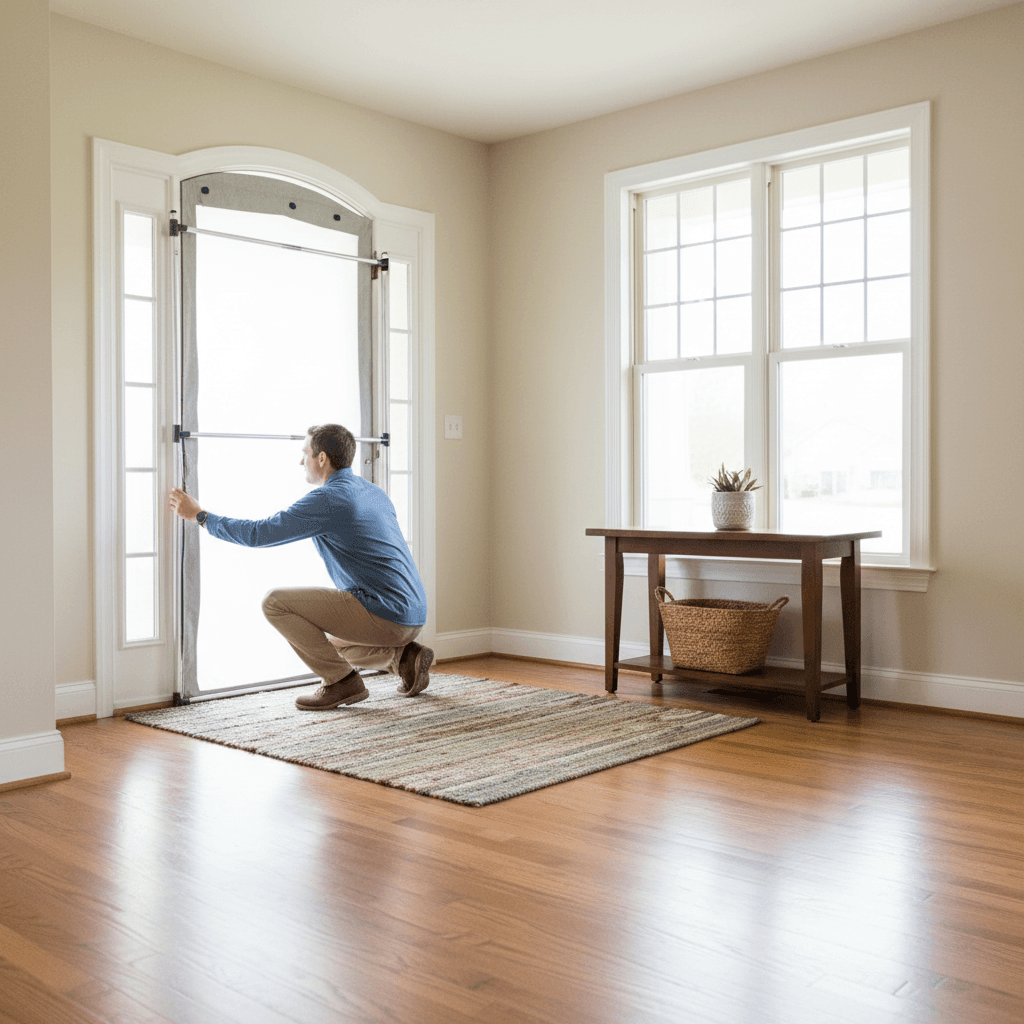
At California Home Energy Wise, we replace traditional, high-pressure sales tactics with an objective, AI-powered approach. Many product-focused companies use a walkthrough as an excuse to sell you windows or HVAC systems you might not need. In contrast, our process relies on precision technology to identify exactly where your home is losing energy. Using a prepare for home energy audit California checklist allows our inspectors to focus on deep diagnostics, such as identifying thermal anomalies and calculating precise leakage rates, instead of moving storage boxes away from your furnace or attic hatch.
By streamlining the physical environment, you empower the auditor to calibrate their AI models against your specific usage patterns. This preparation ensures the final report is a factual foundation you can use to apply for California energy rebates and incentives, moving you closer to a more comfortable, cost-effective home.
The Documentation Phase: Gathering Your Energy History
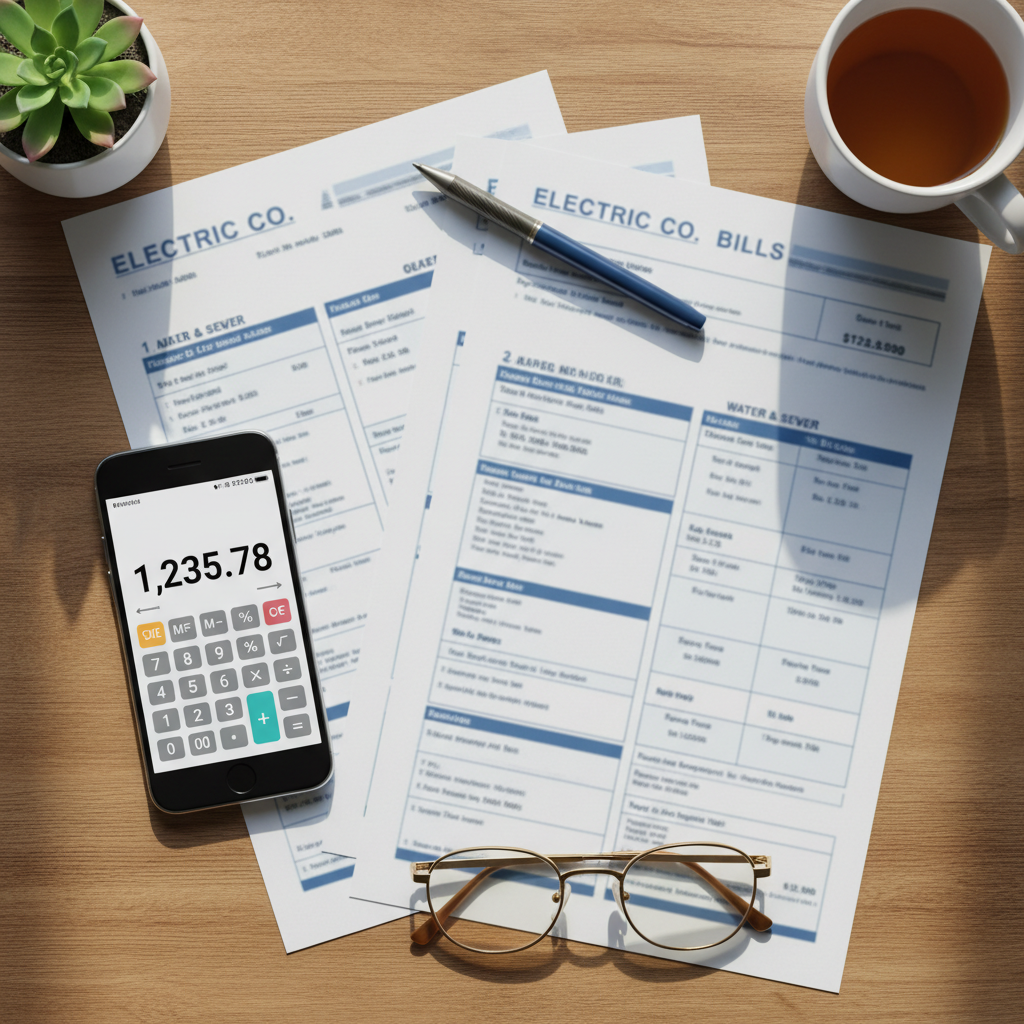
Before our inspector arrives, the most valuable tool you can provide is a clear picture of your past consumption. We require at least 12 months of utility history to build an accurate profile of your property. In the Sacramento Valley, energy usage is rarely linear. We see dramatic seasonal spikes where summer cooling loads during July heatwaves often dwarf winter heating needs, yet poorly insulated homes can see significant gas or electric surges during those cold December nights.
Furthermore, California’s Time of Use (TOU) rates mean that when you use energy is often as important as how much you use. You can easily access this data by logging into your PG&E or SMUD customer portal. Look for the billing history or usage sections and download the last year of statements as PDFs. This data allows our auditors to calibrate AI models to your specific lifestyle. By mapping your actual costs against local weather data, we can distinguish between behavioral usage and structural inefficiencies.
Beyond the numbers, take a moment to document comfort complaints. These are the subjective experiences that a sensor might miss during a single visit. Note the guest room that feels like an oven by 4:00 PM, or the living room that catches a chill from the Folsom Lake breeze even when the windows are locked. If you have a nursery that never stays cool or a home office that feels drafty, add these to your prepare for home energy audit California checklist. Providing this list ensures the diagnostic process is targeted toward the areas that impact your daily comfort the most.
Physical Access: Clearing the Path for Advanced Diagnostics
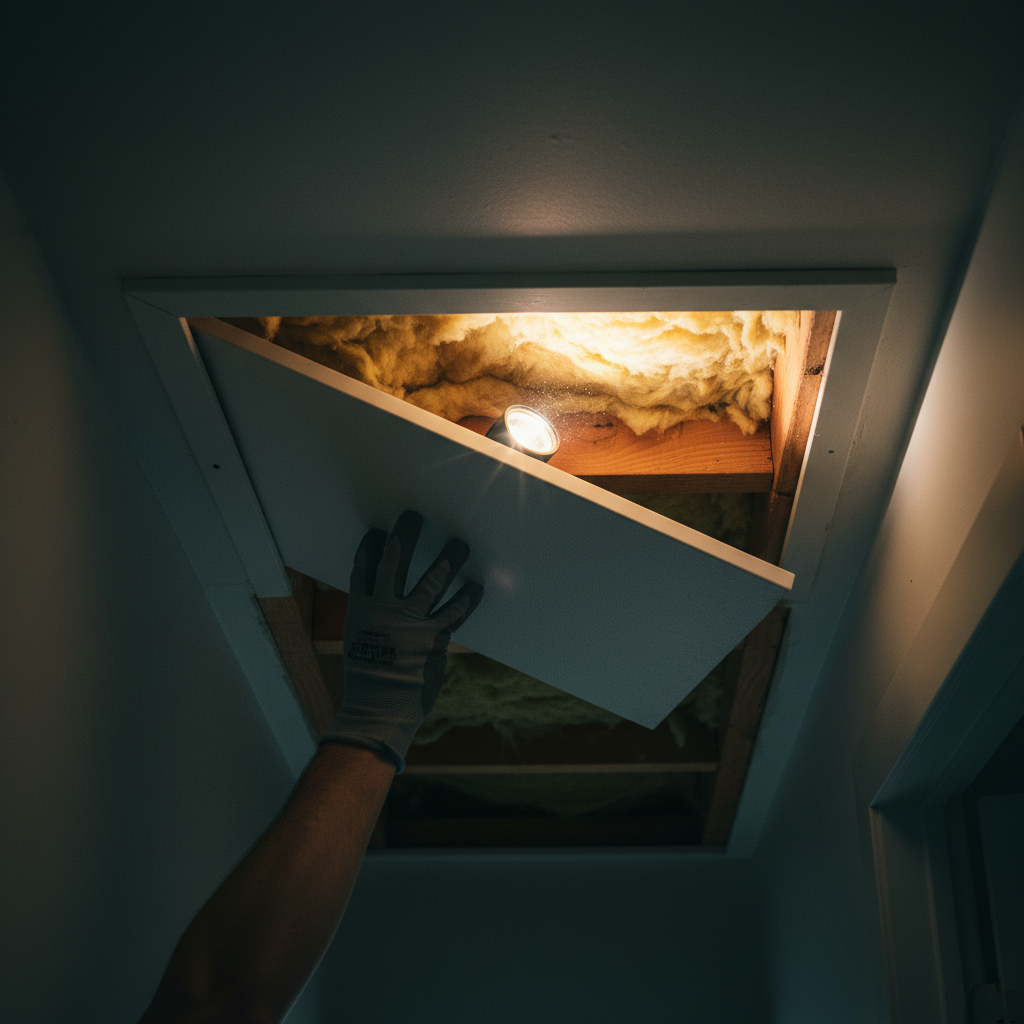
While documentation provides the history of your energy use, the physical inspection reveals the source of current waste. To get the most out of your Folsom energy audit services, our inspectors need unobstructed access to the structural and mechanical systems that drive your utility costs. If an inspector cannot physically reach a critical area, they cannot deploy advanced diagnostic tools like thermal imaging or moisture sensors, leaving a gap in your final AI-generated report.
Please use this checklist to ensure your home is ready for a deep-dive diagnostic:
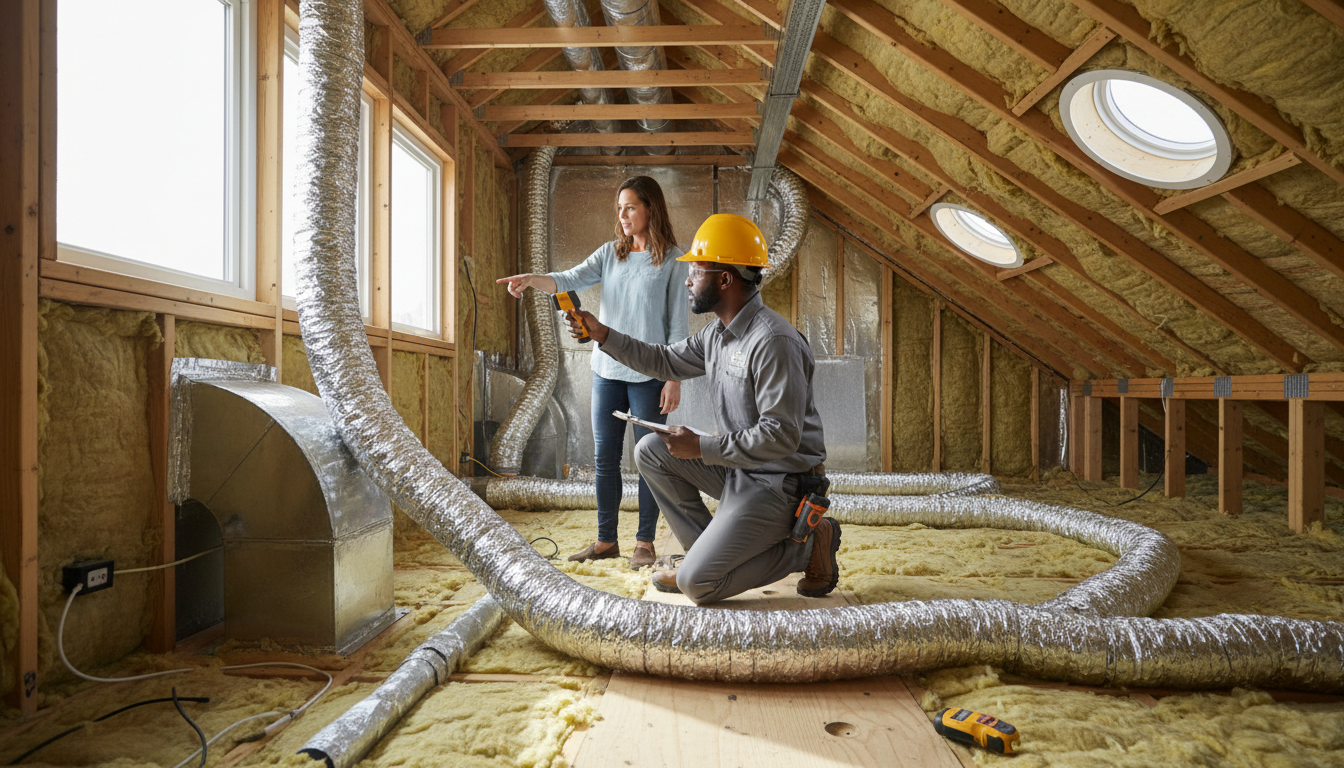
Attic Access Points: In many Sacramento County homes, the attic hatch is located inside a bedroom or hallway closet. Please remove all hanging clothes, storage bins, and shelving directly beneath the hatch. If we cannot get into the attic, we cannot identify thermal anomalies or gaps in insulation, which are primary drivers of heat gain during our 100-degree summer days.
Crawl Space Entries: For homes with raised foundations, ensure the exterior or interior crawl space entry is clear of landscaping, debris, or heavy furniture. We need to inspect the underside of your flooring and any ductwork running through these spaces.
Mechanical Clearances: Clear a three-foot perimeter around your furnace, indoor air handler, and the outdoor condenser unit. The auditor must be able to inspect the plenum, duct seals, and refrigerant lines without moving household items.
Main Electrical Panel: Ensure the panel is accessible and not blocked by shelving or parked vehicles in the garage. This allows the auditor to evaluate your home's capacity for high-efficiency upgrades like heat pump water heaters.
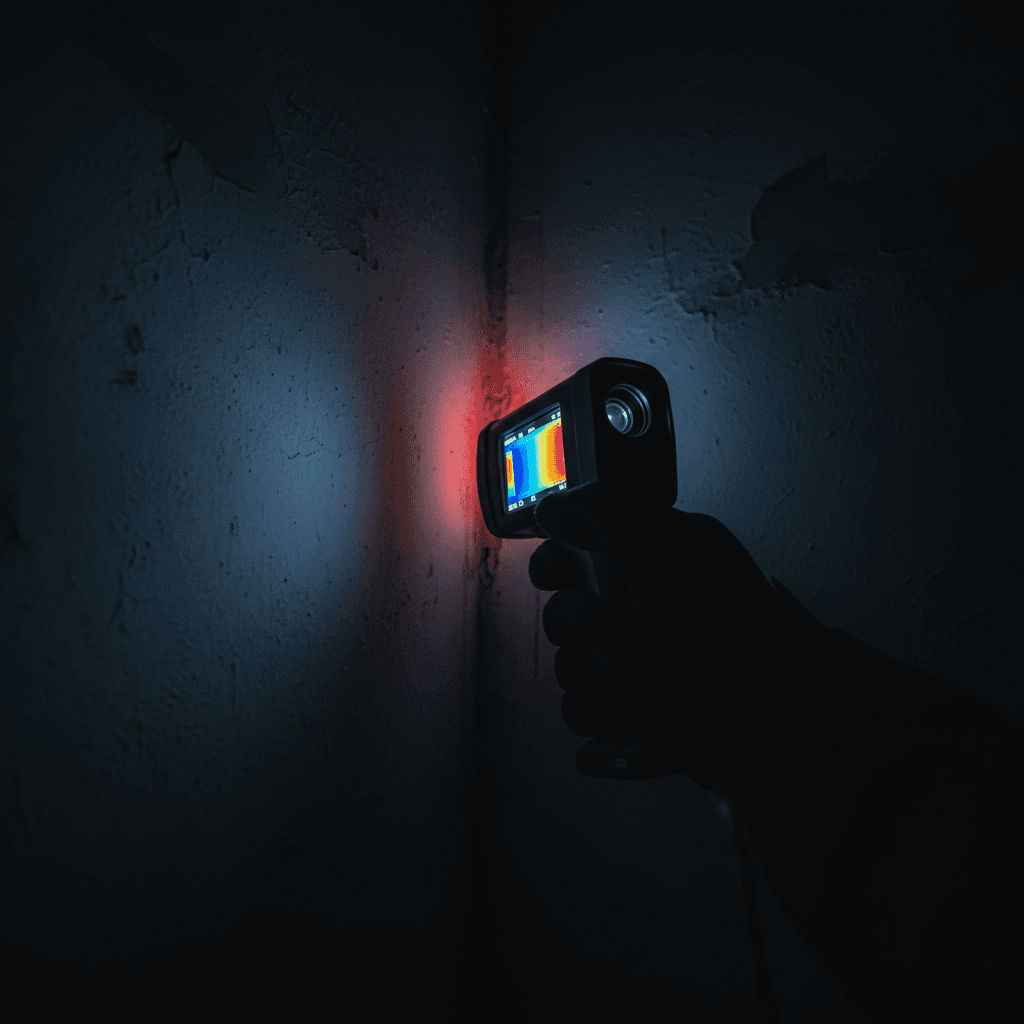
Failing to clear these paths often means missing the most significant energy leaks. For example, missing insulation around an attic bypass can increase your cooling load by up to 20 percent, yet it remains invisible without a direct line of sight for an infrared camera. By prepping these areas, you ensure every square inch of your home is accounted for in your efficiency strategy.
Preparing Your Small Business for an Energy Audit
Small business owners in Folsom face distinct operational challenges, particularly when managing peak demand charges on commercial utility rates. Preparing for a commercial audit requires a focus on high-consumption infrastructure and operational schedules. Start by ensuring the inspector has safe, clear access to roof-top units (RTUs). If your facility uses a ladder hatch or requires a specific key for roof access, have these ready before the appointment begins. Unlike a residential visit, our commercial diagnostics evaluate the efficiency of large scale HVAC systems and the thermal integrity of commercial refrigeration gaskets.
Documentation for a business should include lighting schedules and an inventory of major equipment. This allows our AI software to pinpoint vampire loads, which are machines like networked printers, server racks, and older point of sale systems that draw constant power even when the business is closed. During California’s peak afternoon hours, these idle loads significantly inflate commercial bills. By adding these items to your prepare for home energy audit California checklist, you enable a precise analysis of your overhead. Understanding the value of a home energy audit extends to your storefront or office, providing the data necessary to secure California energy rebates and incentives tailored for small commercial enterprises using our Folsom energy audit services.
Questions to Ask Your California Energy Auditor

The diagnostic process is most effective when it is a collaborative dialogue between the property owner and the inspector. Because our model focuses on objective data rather than equipment sales, you have a unique opportunity to probe the technical details of your property’s performance. Using your prepare for home energy audit California checklist as a guide, prepare specific inquiries that move beyond basic repairs and into long term strategy.
Ask the auditor: "Can you show me the thermal anomalies on the screen?" Viewing the infrared feed during the blower door test allows you to visualize exactly where energy is escaping in real time. Follow up by asking: "How do my findings align with current California rebate programs like TECH Clean California or HEEHRA?" A professional, objective audit should clarify how your specific upgrades qualify for various California energy rebates and incentives.
Finally, ensure you understand the local context by asking: "What is the projected ROI for these specific upgrades in the Folsom climate?" Our specific Sacramento Valley weather, with its intense summer heat and crisp winter nights, dictates which investments pay off fastest. These targeted questions ensure that our Folsom energy audit services provide you with a sophisticated roadmap tailored to the reality of California utility rates.
What Happens After the Inspector Leaves?
Once the on-site diagnostic is complete, our AI platform begins processing the thousands of data points gathered from your thermal scans and pressure tests. You will receive a comprehensive report, similar to our Sample Report, which moves beyond raw data to provide a prioritized roadmap for your property. This document distinguishes between "easy wins," like weatherstripping or sealing attic bypasses, and "long-term investments," such as transitioning to high-efficiency heat pumps or adding blown-in insulation.
This report serves as a critical asset for your financial strategy. Because our Folsom energy audit services are objective and brand-agnostic, the findings provide the technical proof often required to secure California energy rebates and incentives or federal tax credits. Having this data on hand allows you to verify the value of a home energy audit by ensuring every dollar spent on upgrades is backed by a measurable ROI. Your prepare for home energy audit California checklist was the first step; this report is the final blueprint for a more efficient, comfortable property.
Preparing your home using this checklist ensures that your upcoming assessment is as effective as possible. By organizing documents and clearing workspace, you enable a more accurate reading of your current energy usage. However, identifying every hidden leak or inefficiency can be a complex task for any homeowner. If you want expert help to maximize your savings, booking a Folsom Energy Audit is a great next step to take. A professional evaluation will provide the clarity you need to move forward with confidence.