
Achieving significant attic insulation ventilation energy savings California requires combining high R-value materials with balanced airflow to reduce heating and cooling costs by up to 20 percent. These upgrades prevent heat transfer and moisture buildup while ensuring compliance with state Title 24 standards. By sealing air leaks and maintaining proper ventilation, residents can enjoy a more comfortable home and lower utility bills throughout the year.
California homeowners often face an invisible battle against the unrelenting afternoon sun. If your air conditioner runs non-stop yet your upstairs remains stifling, your attic is likely acting as a massive thermal battery; it absorbs radiant heat throughout the day and radiates it back into your living space long after sunset. This inefficiency does more than just spike your utility bills. It places unnecessary strain on your HVAC system and compromises the structural health of your home. True energy efficiency in our unique climate requires a precise balance between high performance insulation and strategic ventilation. In this guide, we will explore why these two elements are inseparable under California Title 24 standards, how to identify the signs of a failing attic system, and how an objective AI energy audit provides the data you need to maximize savings without the pressure of a traditional sales quote.
The Attic as Your Home's Thermal Battery
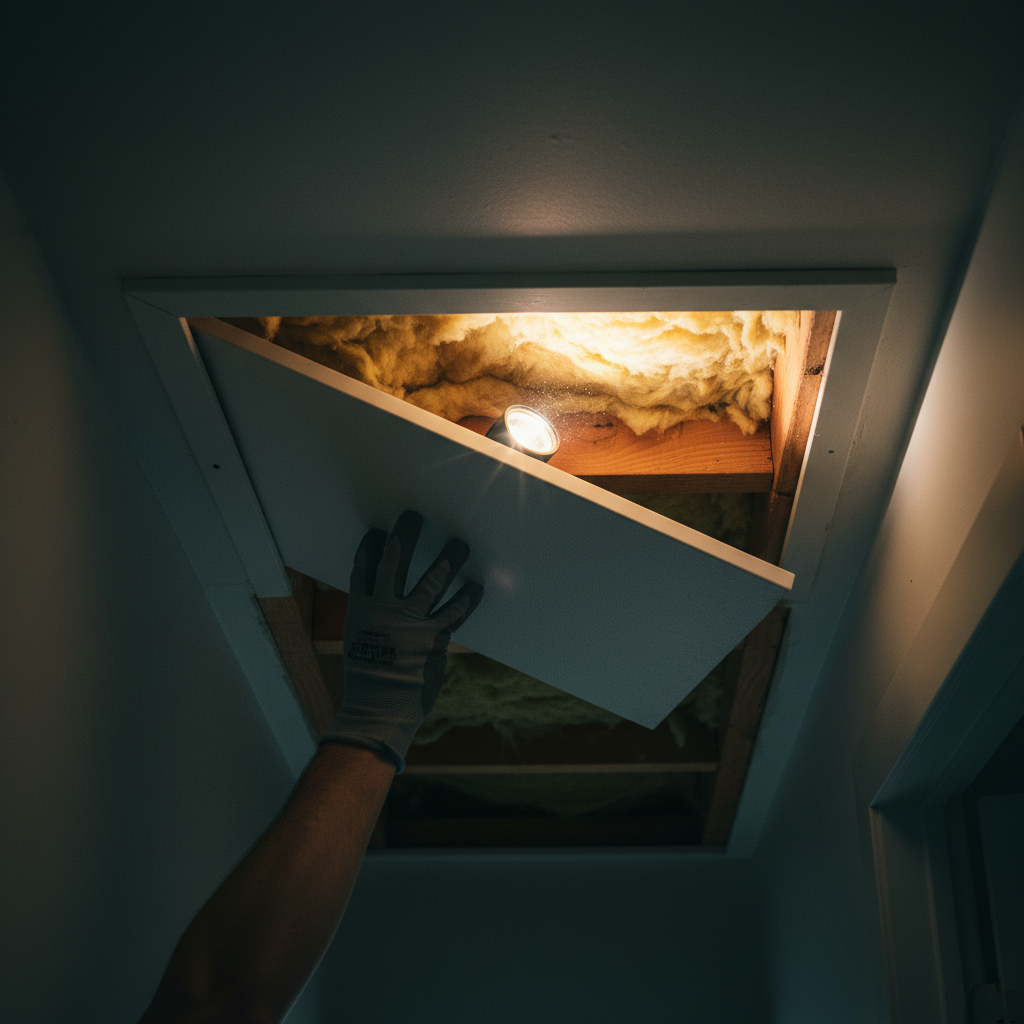
During a typical 100 degree Folsom summer afternoon, your roof absorbs an immense amount of solar radiation. The space beneath it, your attic, effectively transforms into a massive thermal battery. This battery does not store electricity; it stores heat. By mid-afternoon, attic temperatures frequently soar to 140 degrees or higher. This stored energy does not simply vanish when the sun sets. Instead, it radiates downward into your living spaces long after the outside air has cooled, forcing your air conditioner to battle a heat source that is literally inside your home.
This phenomenon is the primary reason why achieving significant attic insulation ventilation energy savings California requires a balanced approach. Most homeowners focus solely on the thickness of their insulation, but that is only half of the equation. Think of the attic as a system where insulation acts as the protective shell and ventilation acts as the cooling breath. If this system is out of balance, your home will continue to trap heat regardless of how many inches of fiberglass you add. Understanding this dynamic is a crucial first step in a Folsom home energy audit, as it identifies why your cooling bills remain high despite the sun going down.
Why Insulation and Ventilation are Inseparable for Energy Savings
To manage the thermal battery effectively, you must treat insulation and ventilation as a single, integrated system. Many contractors treat these as isolated issues, focusing either on blowing in more material or simply installing a solar fan. However, the physics of attic performance dictates that one cannot function efficiently without the other. Insulation acts as the thermal barrier, similar to the insulated walls of a high-end cooler. Its job is to resist the conductive flow of heat from the attic floor into your ceiling. Ventilation, conversely, serves as the exhaust system. It provides the necessary airflow to flush out stagnant, superheated air before it has the chance to overcome your insulation.
When these two elements are out of sync, energy efficiency collapses. If a home has thick, high R-value insulation but poor ventilation, the attic becomes a pressurized oven. The heat eventually bakes through the material, rendering the insulation ineffective regardless of its thickness. On the other hand, if a home has excellent ridge and soffit vents but degraded or thin insulation, your expensive air conditioning simply migrates upward through the drywall and escapes. This is driven by the stack effect, a natural phenomenon where warm air rises and creates a pressure imbalance. Without a proper thermal barrier, your living space essentially feeds the attic's air supply, forcing your HVAC system to work twice as hard to maintain a set temperature.
Achieving maximum attic insulation ventilation energy savings California homeowners expect requires balancing these forces. Proper ventilation allows the stack effect to work in your favor, drawing cool air in through soffit vents and pushing hot air out through the roof. This movement keeps the temperature delta between your attic and your living space manageable. During a Folsom home energy audit, we often find that the solution isn't more product, but rather restoring this crucial equilibrium to ensure the heat has an exit strategy and the cool air has a reason to stay downstairs.
California Title 24 Requirements and R Values for Your Climate Zone
California regulates these thermal barriers through Title 24, the state's Building Energy Efficiency Standards. For homeowners in Folsom and the surrounding areas, this means adhering to specific requirements for Climate Zones 11 and 12. In these regions, R-value, a measure of a material’s resistance to heat flow, is the primary metric for performance. While many older Folsom homes were originally built with R-19 insulation, which is roughly six inches of fiberglass, current standards and modern efficiency goals typically target a range between R-30 and R-49.
Climate Zone | Representative Location | Recommended Attic R-Value |
|---|---|---|
Zone 11 | Sacramento / Central Valley | R-38 to R-49 |
Zone 12 | Folsom / Delta Region | R-38 to R-49 |
Moving from an aging R-19 layer to R-49 creates a much more robust thermal shield, yet the application requires precision. A frequent mistake in DIY projects or hasty contractor installs is overfilling the attic floor near the eaves. When insulation is blown in without baffles, it often blocks the soffit vents. This oversight negates any potential attic insulation ventilation energy savings California weather allows by cutting off the intake air necessary for the system to breathe.
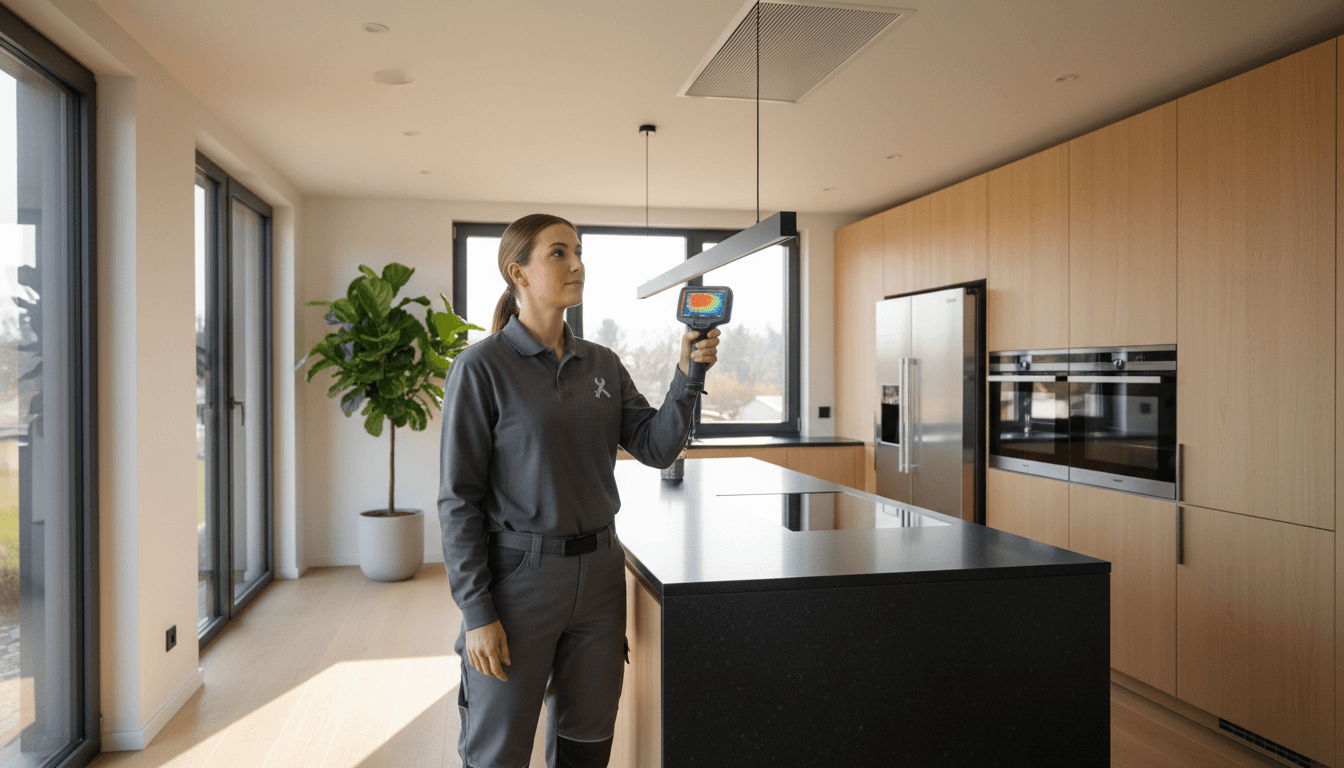
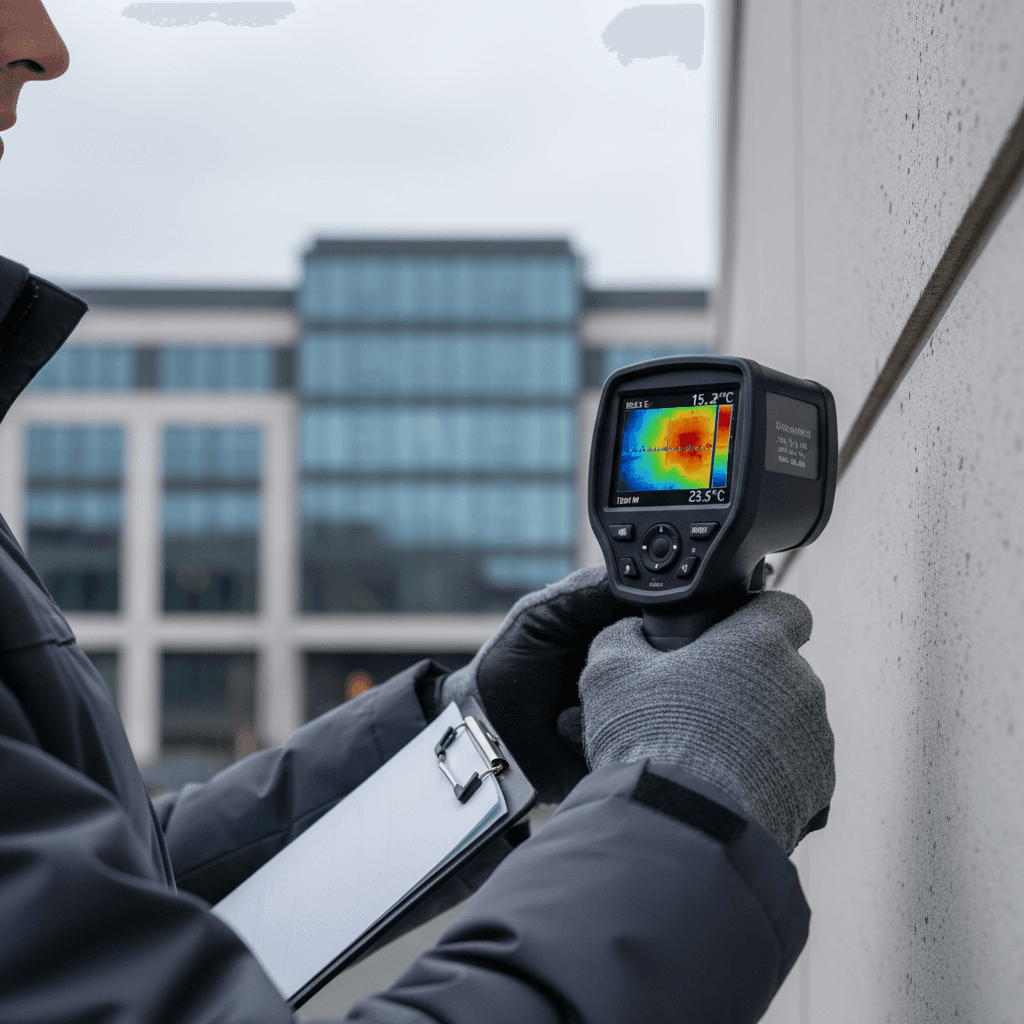
Objective data is the only way to determine if your current R-value is sufficient or if the material has settled and lost its effectiveness. A Sacramento energy audit or a Folsom home energy audit utilizes thermal imaging to see exactly where your insulation has thinned or where gaps exist. This approach ensures that any recommended upgrades meet Title 24 standards without compromising the essential ventilation that prevents your attic from becoming a heat trap.
Signs Your Attic Duo is Failing: Beyond Just High Bills

Identifying a failing attic system goes beyond monitoring your SMUD or PG&E bill. Many homeowners ask how to tell if my attic needs more insulation, and the answers are often written in the physical behavior of the home. One of the most telling signs in Folsom is the second floor heat wave. If your upstairs bedrooms remain sweltering at 9:00 PM while the ground floor is comfortable, your attic is likely radiating stored heat through insufficient insulation, while poor ventilation prevents that heat from escaping.
Uneven room temperatures are another red flag. When one room feels drafty in January or like a sauna in July compared to the rest of the house, it usually indicates localized insulation gaps or blocked vents. You can also look at your roof after a light rain. If your roof shingles dry significantly faster than your neighbor's, it is a clear indicator that heat is escaping through your ceiling and warming the roof deck from below. This thermal leakage prevents you from achieving the attic insulation ventilation energy savings California residents need to offset rising utility costs.
During Central Valley winters, pay attention to smells and moisture. Musty odors or damp spots on the ceiling often point to a ventilation failure where warm, moist air is trapped against a cold roof deck. While ice dams are rare on the valley floor, those living in the higher elevations near El Dorado Hills may see icicles forming at the eaves, which is a classic sign of heat loss. A professional Folsom home energy audit or a Sacramento energy audit can confirm these issues using infrared technology, identifying exactly where the duo is failing before it leads to structural damage or mold.
The Financial Impact: How Much Can You Actually Save?

Translating physical warning signs into a monthly budget shows why the attic is the most profitable place to start an efficiency project. Data from the Department of Energy and Energy Star indicates that homeowners can save an average of 15 to 20 percent on heating and cooling costs through proper sealing and insulation. In Folsom, these percentages carry more weight due to the high utility rates charged by providers like PG&E and SMUD.
Because our local summers are significantly more intense than the national average, the cooling specific savings in the Central Valley often outperform standard estimates. When your HVAC system no longer has to fight a 140 degree thermal battery, the reduction in run-time is immediate. Most homeowners find that the cost of correcting their attic duo is recovered through lower utility bills within three to five years. This rapid payback period marks it as a top tier ROI improvement, far exceeding the long term value of many aesthetic upgrades. To understand the specific fiscal impact on your property, a Folsom home energy audit or a Sacramento energy audit offers the objective data required to capture these attic insulation ventilation energy savings California homeowners need. Reviewing a sample energy audit report can help you visualize how these technical fixes translate into line-item savings on your monthly bill.
The Hidden Danger of Ventilation: Moisture and Mold in California Winters
While Folsom homeowners often focus on the scorching summer heat, the winter months introduce a different, more insidious threat to the attic ecosystem. When you heat your home, the air carries moisture from daily activities like showering and cooking. If your attic lacks sufficient airflow, this warm, humid air migrates upward and comes into direct contact with the cold underside of your roof deck. This temperature differential causes the moisture to condense into liquid water; essentially, it creates a persistent damp environment in the dark corners of your home.
This moisture trap is where wood rot and mold colonies begin, often remaining undetected until structural damage occurs or indoor air quality suffers. Simply adding thicker insulation without verifying proper airflow can actually exacerbate this problem by keeping the roof deck even colder, which increases the likelihood of condensation. A truly effective system requires a delicate balance to achieve the attic insulation ventilation energy savings California homeowners expect throughout the entire year.
Securing this balance is why a Sacramento energy audit or a Folsom home energy audit is a critical preventative measure. Our inspectors look beyond just the depth of the fiberglass to ensure your ventilation is actively removing winter moisture. This objective approach ensures that your efficiency upgrades do not inadvertently lead to expensive, invisible decay in your roof structure.
Why an Objective AI Energy Audit Beats a Sales Quote

Traditional insulation contractors often operate with an inherent conflict of interest. Their primary goal is to sell a specific volume of fiberglass or cellulose, which can lead to recommendations that prioritize product sales over actual performance. California Home Energy Wise operates differently. As an independent auditing firm in Folsom, we do not sell installation services or insulation products. Our Folsom home energy audit relies on AI powered thermal imaging and seasoned inspectors to provide an objective analysis of your home's thermal envelope.
While a visual inspection might show a seemingly full attic, our infrared technology reveals hidden voids, settled material, and thermal bypasses that the naked eye misses. This precision ensures you achieve the attic insulation ventilation energy savings California homeowners require without overspending on unnecessary materials. By combining local expertise with advanced technology, we provide a sample energy audit report that serves as a technical roadmap. Our no pressure philosophy means we provide the data, allowing you to approach your Sacramento energy audit needs with facts rooted in physics rather than a contractor’s sales quota.